 EMERGING TECH
EMERGING TECH
EMERGING TECH






EMERGING TECH

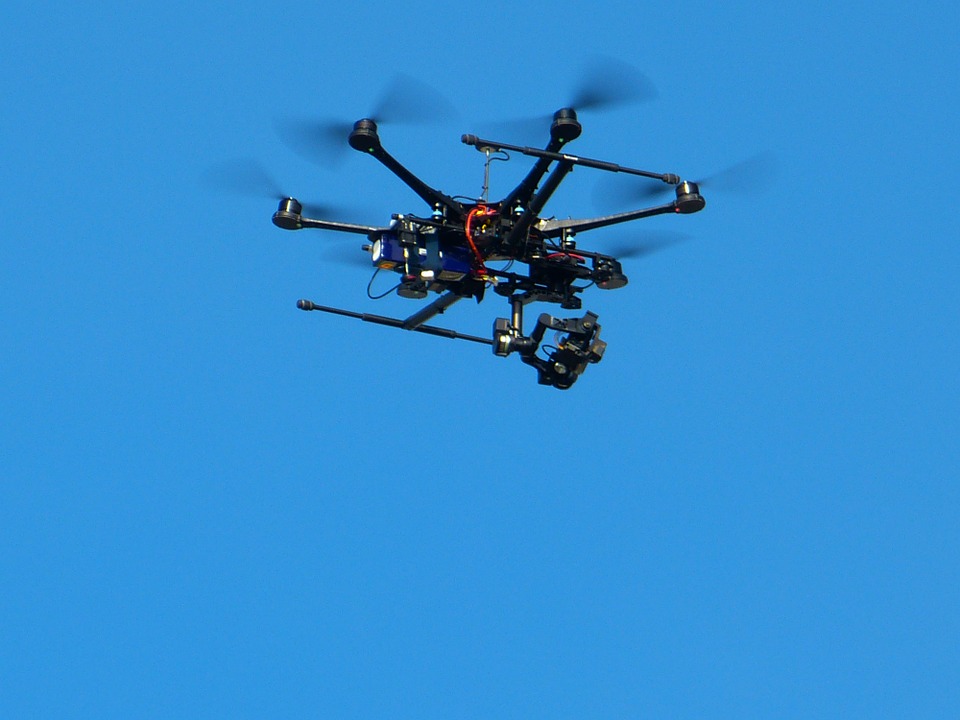
The Federal Aviation Administration will allow drone operators to apply for and gain instant approval to operate in restricted airspaces as part of its development of new Air Traffic Control and registration guidelines for unmanned aerial vehicles.
The proposed authorization method, which is described more formally as “Low Altitude Authorization and Notification Capability,” will allow commercial drone users to apply for and receive authorization to fly in restricted airspaces around airports. Currently, airspace around airports has a restriction zone out to five miles and the process to gain FAA approval to fly in those zones require authorization that is subject to lengthy waiting periods and manual approvals.
Gregory McNeal, co-founder of drone airspace services platform AirMap Inc., wrote at Forbes that the application process for a commercial drone flight to take place in controlled airspace near an airport can take as long as 90 days. That creates what he describes as “a major barrier to drone innovation, grounding drone entrepreneurs before they can take off,” as well as imposing an “administrative burden that will only grow as millions more drones take flight.”
The proposed automated approval system will allow drone flights within an approved area within restricted airspace up to a specific, safe altitude. Drone operators will be required to enter the details of their flight through the application process and will receive instant authorization to fly where their proposed flight path matches an approved area. By creating an automated approval process, the burden on processing applications is reduced, meaning that the time taken to process applications that don’t meet approval guidelines could be cut to as little as two weeks.
LAANC will be rolled out in stages, with airports in Cincinnati, Phoenix and Miami the first to large airports to trial the process, along with smaller airports in Lincoln, Nebraska, and San Jose, California, also participating. The FAA plans to have the system up and running at about 50 airports by the end of the year.
McNeal cites those using drones for purposes such as real estate photography, building inspections and agricultural monitoring as benefiting from LAANC. But journalists will also benefit in being able to obtain immediate approval to operate drones in restricted airspaces.
“The single largest impediment to journalists using drones for breaking news is access to airspace,” Matt Waite, the founder of the Drone Journalism Lab at the University of Nebraska, told Poynter. “When it can take months to get approval from the FAA, that just doesn’t work for most news uses. This is a giant leap toward drones being a common part of your local news.”
Support our mission to keep content open and free by engaging with theCUBE community. Join theCUBE’s Alumni Trust Network, where technology leaders connect, share intelligence and create opportunities.
Founded by tech visionaries John Furrier and Dave Vellante, SiliconANGLE Media has built a dynamic ecosystem of industry-leading digital media brands that reach 15+ million elite tech professionals. Our new proprietary theCUBE AI Video Cloud is breaking ground in audience interaction, leveraging theCUBEai.com neural network to help technology companies make data-driven decisions and stay at the forefront of industry conversations.





