 APPS
APPS
APPS
APPS







APPS

A GitHub framework to build desktop applications with Web technology and distribute it across three platforms automatically has become a global phenomenon, according to the project’s manager. And he’s officially lost track of the number of new applications being published.
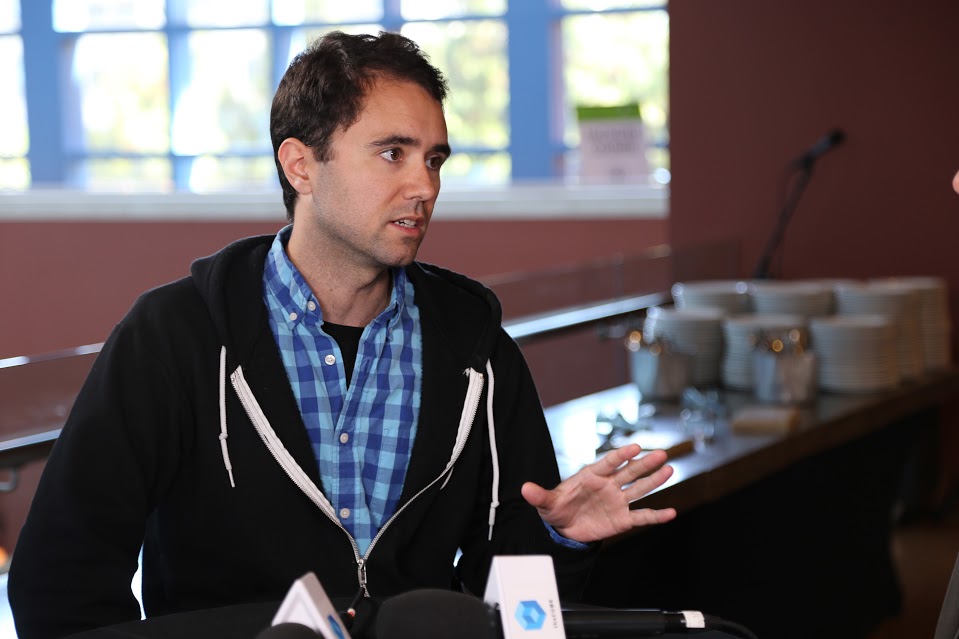
“I’ve never been in this situation before where something that I’m working on has been used so much. There’s a good chance that people who haven’t even heard of it have already been using it,” said Jacob Groundwater (pictured), engineering manager of Electron at GitHub Inc.
Electron, formerly known as Atom Shell, is an open-source framework that allows for the development of desktop graphical user interface applications. The framework uses front- and back-end components originally developed for web applications — Node.js runtime for the back end and Chromium for the front end.
Groundwater appeared on the set of theCUBE, SiliconANGLE’s mobile livestreaming studio, during Node Summit 2017 in San Francisco, California, where he spoke with host Jeff Frick (@JeffFrick). They discussed reasons for Electron’s rapid adoption by developers, managing community conduct and future plans.
The Electron framework creates native applications with technologies such as JavaScript, HyperText Markup Language and Cascading Style Sheets. Electron can be distributed automatically to Windows, Mac and Linux platforms, according to Groundwater.
Asked by theCUBE why Electron has become so popular, Groundwater said that cost and common expertise were factors. “It’s just economics right now. The web is becoming the most common skill set that people have,” he said.
The widespread interest in the framework has been a bit overwhelming for Groundwater. He recently conducted a group conference call with developers in Tokyo, India, Czechoslovakia and Australia. “It’s running on millions of laptops and desktops. I actually can’t keep up with the number of new applications that are being published with Electron,” he stated.
The growing community of Electron users has also forced the GitHub team to ensure that a code of conduct, prohibiting behaviors such as harassment, trolling or personal attacks, is respected. “What we’re really zeroing in on is bad behavior, not necessarily a bad person,” Groundwater said.
Groundwater’s team is working on a Version 2 release, and he indicated that security will be a key focus. Plus, he’s working to give people outside of GitHub more ownership of the project. “I’m really focused on keeping it in a place where you can come and show up and do your best work,” Groundwater concluded.
Watch the complete video interview below, and be sure to check out more of SiliconANGLE’s and theCUBE’s coverage of Node Summit 2017.
Support our mission to keep content open and free by engaging with theCUBE community. Join theCUBE’s Alumni Trust Network, where technology leaders connect, share intelligence and create opportunities.
Founded by tech visionaries John Furrier and Dave Vellante, SiliconANGLE Media has built a dynamic ecosystem of industry-leading digital media brands that reach 15+ million elite tech professionals. Our new proprietary theCUBE AI Video Cloud is breaking ground in audience interaction, leveraging theCUBEai.com neural network to help technology companies make data-driven decisions and stay at the forefront of industry conversations.





