 EMERGING TECH
EMERGING TECH
EMERGING TECH







EMERGING TECH

In the beginning, there was open source. Then, various foundations and for-profit businesses evolved from the primordial goo of freely contributed code. Will these powers feed the meritocratic ecosystem that birthed them — or feed upon it?
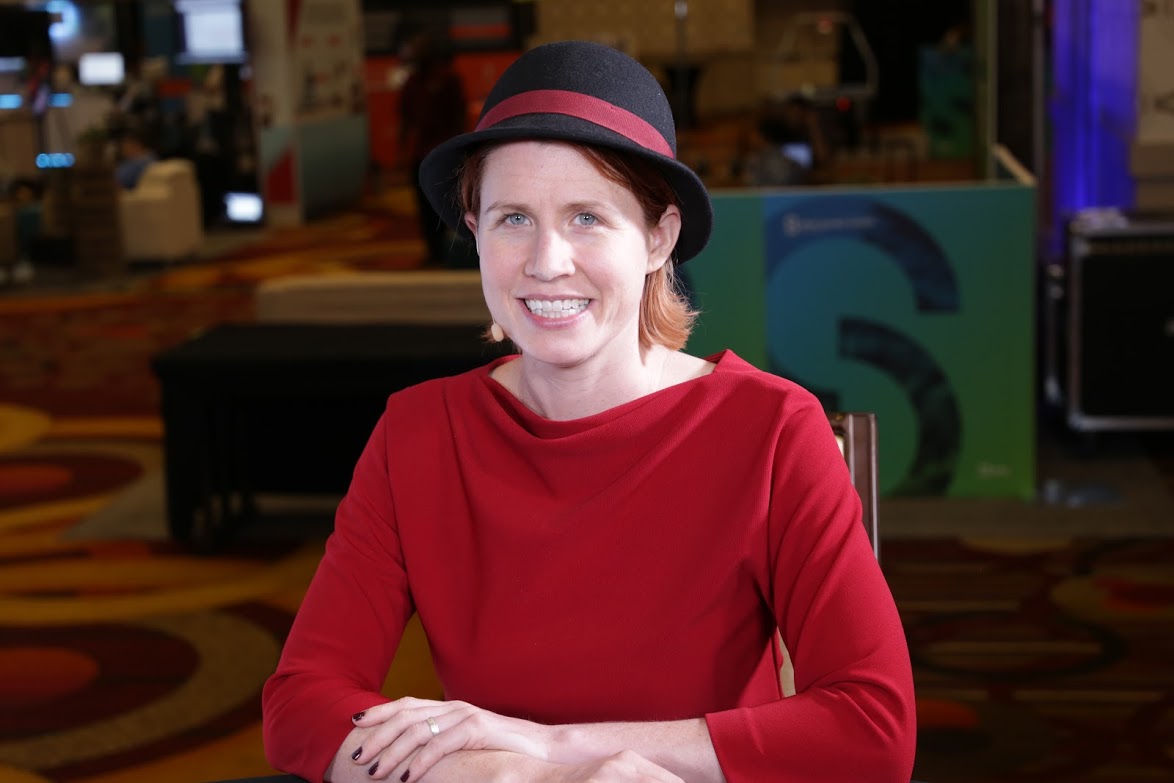
Probably both, according to Christine Corbett Moran, Ph.D. (pictured), NSF astronomy and astrophysics postdoctoral fellow at California Institute of Technology. Deep-pocketed corporations might try to oligarchise open-source communities for their own gain and inhibit innovation that does not fatten their own bottom lines, Corbett Moran explained.
“It is something that we have to actively guard against,” she said. On the other hand, they could contribute funding dollars and finishing touches to open-source projects that may otherwise struggle to reach the mainstream, Corbett Moran pointed out.
She spoke with John Furrier (@furrier) and Stu Miniman (@stu), co-hosts of theCUBE, SiliconANGLE Media’s mobile livestreaming studio, during today’s Open Source Summit in Los Angeles. (* Disclosure below.)
“Often, they put the kind of finishing touches on a product to really take it to the level that people can engage with it easily. And that’s because a corporation is very incentivized monetarily to do that, whereas the open-source community isn’t necessarily incentivized to do that,” Corbett Moran said.
Figuring out how to appropriately compensate open-source coders is critical to keeping these communities robust, according to Corbett Moran. The monetary quandaries that face open-source coders mirror those that stifle scientists in fields like astronomy.
In her own work in the astrophysical field, Corbett Moran has seen that being super smart does not always translate to a stable job and a good salary. These realities can ultimately leak talent from the field, she explained.
Likewise, there are currently very talented coders contributing to open-source communities every day. A corporation may go on to productize their code and profit from it, but the coders won’t see a dime (although it can certainly improve their resumes and help get them hired later on). Open-source coders often don’t mind — they contribute for the love of it; corporations may benefit as a byproduct.
“Ultimately, we have to distribute the rewards from that to the community,” Corbett Moran concluded.
Watch the complete video interview below, and be sure to check out more of SiliconANGLE’s and theCUBE’s coverage of Open Source Summit 2017. (* Disclosure: TheCUBE is a paid media partner for Open Source Summit 2017. Neither The Linux Foundation nor Red Hat Inc. have editorial control over content on theCUBE or SiliconANGLE.)
Support our mission to keep content open and free by engaging with theCUBE community. Join theCUBE’s Alumni Trust Network, where technology leaders connect, share intelligence and create opportunities.
Founded by tech visionaries John Furrier and Dave Vellante, SiliconANGLE Media has built a dynamic ecosystem of industry-leading digital media brands that reach 15+ million elite tech professionals. Our new proprietary theCUBE AI Video Cloud is breaking ground in audience interaction, leveraging theCUBEai.com neural network to help technology companies make data-driven decisions and stay at the forefront of industry conversations.





