 INFRA
INFRA
INFRA
INFRA







INFRA

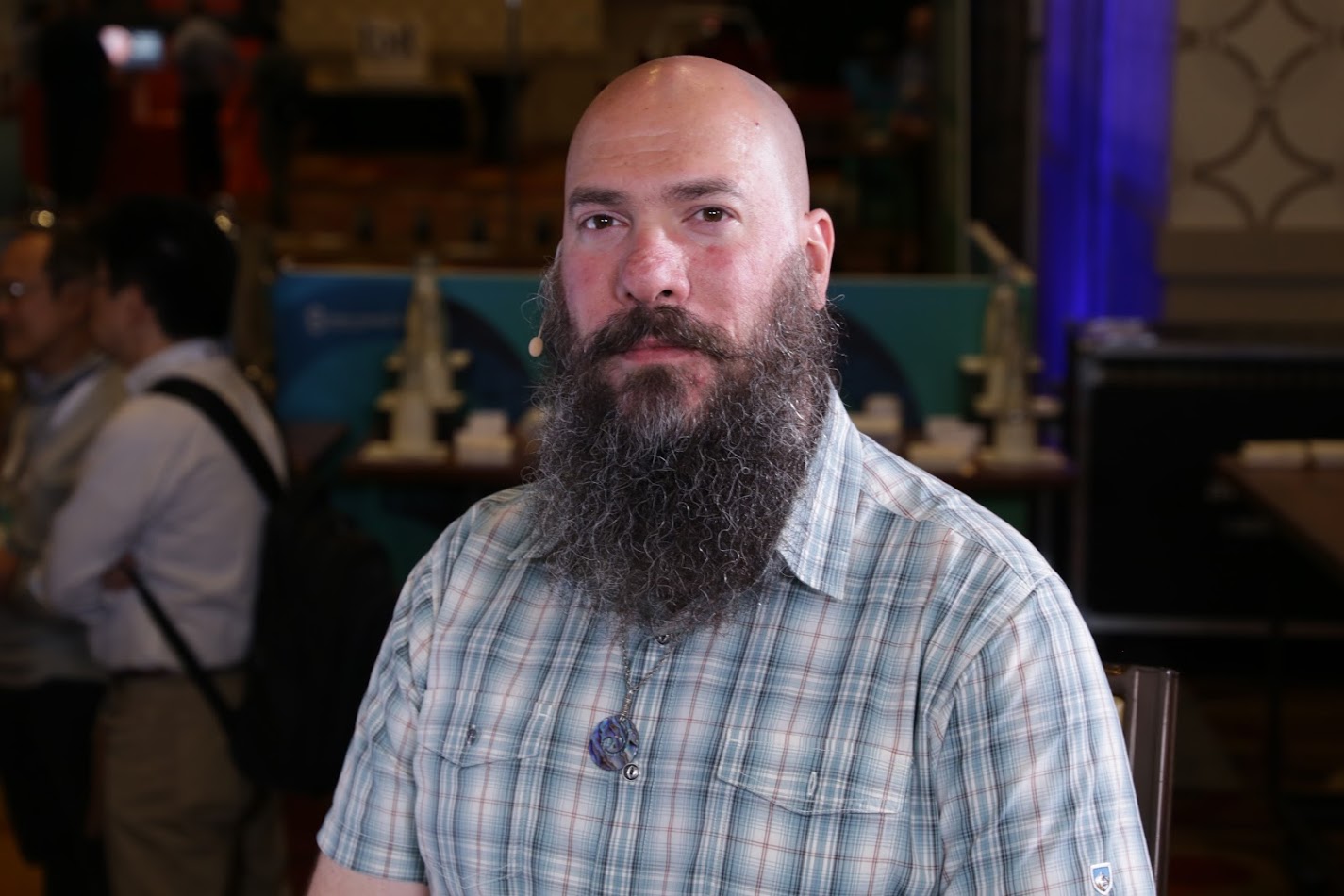
Automation not only cuts costs by abstracting away undifferentiated labor, it’s also grease on the wheels that keep developer operations rolling along in the technology sector. Elements stuck in manual mode can cause hiccups. That’s why information technology customers are “looking for the operating system to be a little more automate-able,” according to Matt Micene (pictured), senior evangelist, Linux and containers, at Red Hat Inc.
Automation-enabled DevOps is on the rise in both cloud-native systems and those deploying traditional fleets of virtual machines, Micene stated. “The [developer] side of the house has a pretty good idea of how to automate it and how to build pipelines. I think that the operation side — we’re kind of missing that pipeline view of infrastructure as code,” he said.
Micene spoke with John Furrier (@furrier) and Stu Miniman (@stu), co-hosts of theCUBE, SiliconANGLE Media’s mobile livestreaming studio, during this week’s Open Source Summit in Los Angeles. (* Disclosure below.)
Part of the friction can be due to operating systems that lack automation capabilities, Micene explained. “We’re trying to work on, how does the operating system act as a good citizen in a highly automated environment? Can we put facilities into the operating system that help folks that are trying to automate do that sort of natively rather than having the operating system fight it […]?” he asked.
There are quite a few operating system versions on the market now; each of them do things slightly differently. This can get confusing. Thankfully, the sprawl will likely take some shape going forward, according to Micene, who added that DevOps and distributed systems will have a role in how the OS evolves.
“How do we drive choice and how do we provide a new way of looking at the way we distribute bits and pieces so that folks have more control over what they need when they need it?” he asked.
Watch the complete video interview below, and be sure to check out more of SiliconANGLE’s and theCUBE’s coverage of Open Source Summit 2017. (* Disclosure: TheCUBE is a paid media partner for Open Source Summit 2017. Neither The Linux Foundation nor Red Hat Inc. have editorial control over content on theCUBE or SiliconANGLE.)
Support our mission to keep content open and free by engaging with theCUBE community. Join theCUBE’s Alumni Trust Network, where technology leaders connect, share intelligence and create opportunities.
Founded by tech visionaries John Furrier and Dave Vellante, SiliconANGLE Media has built a dynamic ecosystem of industry-leading digital media brands that reach 15+ million elite tech professionals. Our new proprietary theCUBE AI Video Cloud is breaking ground in audience interaction, leveraging theCUBEai.com neural network to help technology companies make data-driven decisions and stay at the forefront of industry conversations.





