 INFRA
INFRA
INFRA
INFRA






INFRA

Facebook Inc. has decided to give Congress copies of more than 3,000 political ads that had been bought by Russian accounts during the 2016 U.S. presidential election, reversing its initial decision to withhold that information.
Facebook revealed earlier this month that it had discovered that a Russian organization known as the Internet Research Agency had purchased a large number of political ads targeting U.S. citizens from 2015 through 2017. The content of these ads focused on swaying opinions related to polarizing topics, including gun control, immigration, LGBTQ rights and more. Facebook said that it had given Congress all of the information it had relating to these ads, but the company initially held back copies of the ads themselves.
“This has been a difficult decision. Disclosing content is not something we do lightly under any circumstances,” Facebook General Counsel Colin Stretch said in a statement. “We are deeply committed to safeguarding user content, regardless of the user’s nationality, and ads are user content.”
Stretch said that while Facebook will be turning over its ads to Congress, the company will not be making that content available to the general public.
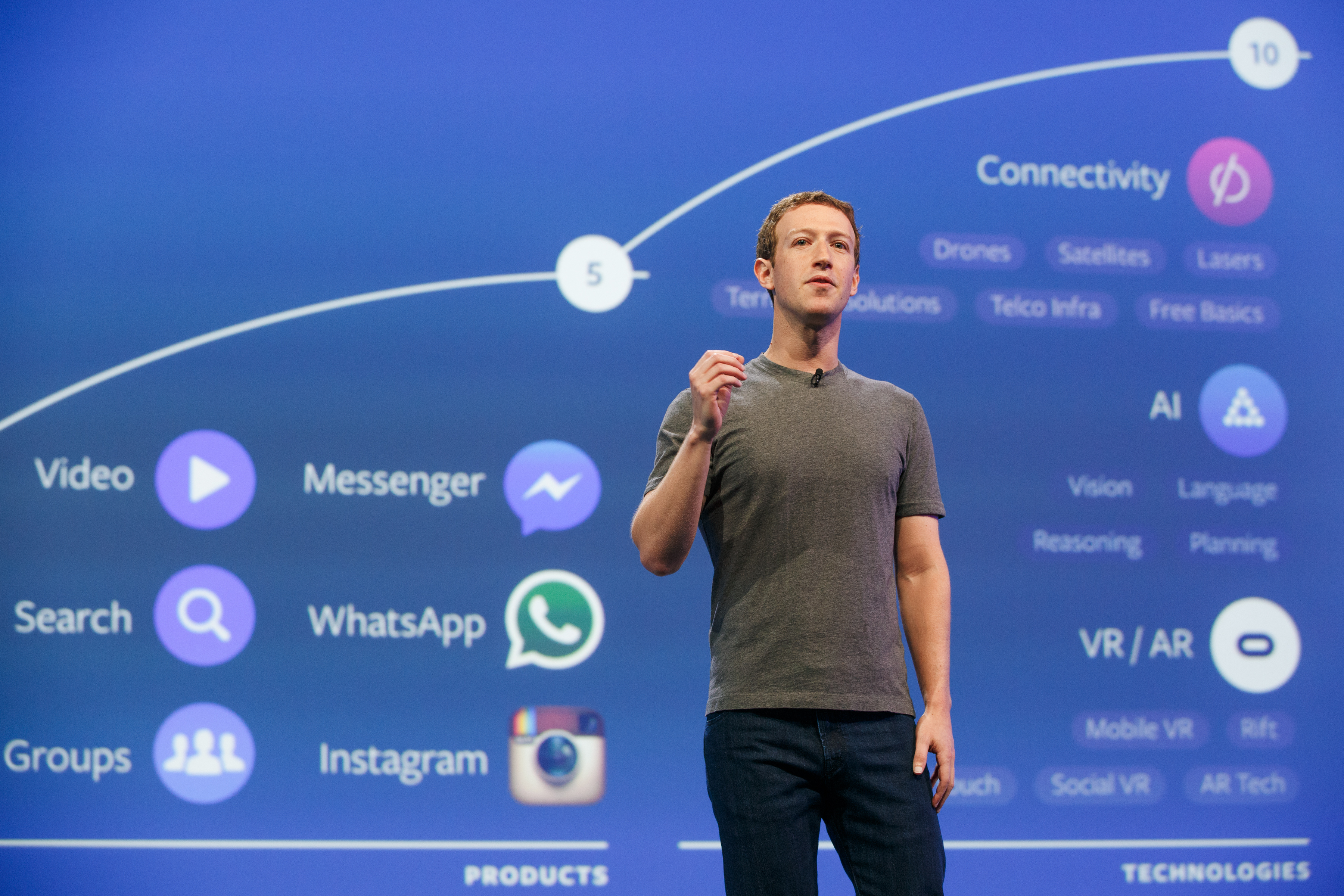
Facebook Chief Executive Mark Zuckerberg (pictured) did a live video on the site to explain his thinking on situation and what else needs to be done. He acknowledged that Facebook likely would be unable to stop “bad actors” completely. “We can’t prevent all governments from all interference,” he said in the eight-minute-plus video. “But we can make it much harder, and that’s what we’re going to focus on doing.
Elliot Schrage, Facebook’s vice president of policy and communications, also expanded on the details behind the ads and Facebook’s reasoning for not making them public in the company’s latest Hard Questions post.
“Federal law places strict limitations on the disclosure of account information,” Schrage explained. “Given the sensitive national security and privacy issues involved in this extraordinary investigation, we think Congress is best placed to use the information we and others provide to inform the public comprehensively and completely.”
According to Schrage, most of Facebook’s ads are purchased through its self-service tools, and after investigating the Russian ads, Facebook found that “none of those we found involved in-person relationships.” Schrage added that Facebook is concerned with “foreign actors using fake accounts,” but he said that spotting these accounts is not easy.
“When we’re looking for this type of abuse, we cast a wide net in trying to identify any activity that looks suspicious. But it’s a game of cat and mouse,” Schrage said. “Bad actors are always working to use more sophisticated methods to obfuscate their origins and cover their tracks. That in turn leads us to devise new methods and smarter tactics to catch them — things like machine learning, data science and highly trained human investigators. And, of course, our internal inquiry continues.”
Support our mission to keep content open and free by engaging with theCUBE community. Join theCUBE’s Alumni Trust Network, where technology leaders connect, share intelligence and create opportunities.
Founded by tech visionaries John Furrier and Dave Vellante, SiliconANGLE Media has built a dynamic ecosystem of industry-leading digital media brands that reach 15+ million elite tech professionals. Our new proprietary theCUBE AI Video Cloud is breaking ground in audience interaction, leveraging theCUBEai.com neural network to help technology companies make data-driven decisions and stay at the forefront of industry conversations.





