



 APPS
APPS
APPS
APPS
APPS

More than a million people are believed to have downloaded a malicious, fake version of Facebook Inc.’s WhatsApp messaging app from the Google Play store.
First spotted by users on Reddit Friday, the app, dubbed “Update WhatsApp Messenger” was listed as coming from “WhatsApp Inc.,” the official name of the Facebook-owned company. How the fake app was listed with the same name as the official company was explained by Hacker News, which found that those behind that app inserted a Unicode character space after the actual WhatsApp Inc. name that would not be visible to Google Play users.
The malicious app did provide some basic messaging functionality but primarily acted as a way to trick users into clicking third-party ads and downloading malicious software. As one Reddit user explained: “I’ve also installed the app and decompiled it … the app itself has minimal permissions (internet access) but it’s basically an ad-loaded wrapper which has some code to download a second apk, also called ‘whatsapp.apk.’ The app also tries to hide by not having a title and having a blank icon.”
 The app has since been removed from Google Play, but the fact it was listed long enough to have more than a million people download it once again raises questions about Google’s efforts to stop fake and malicious apps from getting listed. Seemingly once a month, an outbreak of fake apps is discovered on Google Play, including recent examples such as the discovery of fake cryptocurrency trading apps in October and an outbreak described as massive in September.
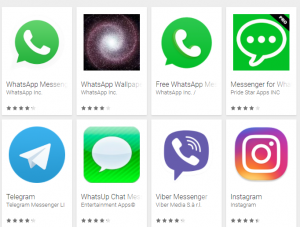
The risk of users downloading fake WhatsApp apps also remains. As of Sunday evening, a search in Google Play for WhatsApp (pictured) returns the official app in first position, but a fake app, going by the name of “Freе WhatsApp Messenger Update – Tips” from a developer listed as “WhatsApp Inc./” (including that forward slash at the end), sits in third position. A scroll further down the page also found numerous other examples of what appear to be fake WhatsApp apps.
… We’d like to tell you about our mission and how you can help us fulfill it. SiliconANGLE Media Inc.’s business model is based on the intrinsic value of the content, not advertising. Unlike many online publications, we don’t have a paywall or run banner advertising, because we want to keep our journalism open, without influence or the need to chase traffic.The journalism, reporting and commentary on SiliconANGLE — along with live, unscripted video from our Silicon Valley studio and globe-trotting video teams at theCUBE — take a lot of hard work, time and money. Keeping the quality high requires the support of sponsors who are aligned with our vision of ad-free journalism content.
If you like the reporting, video interviews and other ad-free content here, please take a moment to check out a sample of the video content supported by our sponsors, tweet your support, and keep coming back to SiliconANGLE.






