 APPS
APPS
APPS
APPS






APPS

Your Android phone could be tracking your location even when you when you haven’t turned on location services or even have a SIM card installed, a report by Quartz revealed Tuesday.
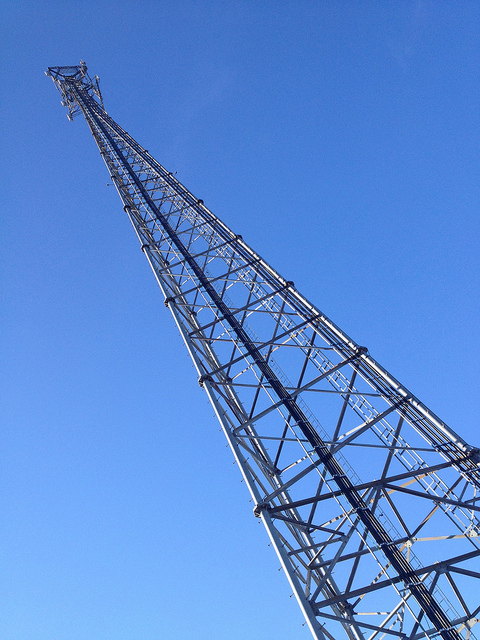
An investigation found that by triangulating information from cell towers, Google LLC could find the location of users’ phones and send data back to the company. Using multiple cell towers could track a phone to a fairly specific location.
Such information is usually an opt-in feature when people want to be tracked to use various apps, such as Google Maps. Android users cannot opt out of this, not even when the phone is factory-reset, according to the report.
This has been in practice since the beginning of 2017, and Google has confirmed its existence. Google has said that collecting location data was used to manage push notifications and messages, although the data was never stored on servers.
Nonetheless, questions are being asked about user privacy. Google said the data was encrypted, but at the heart of the matter is that some people have every right not to be tracked and others have a good reason why they don’t want to be found. In hindsight, the only thing such people could have done is use burner phones.
“In January of this year, we began looking into using Cell ID codes as an additional signal to further improve the speed and performance of message delivery,” a Google spokesperson told Quartz. “However, we never incorporated Cell ID into our network sync system, so that data was immediately discarded, and we updated it to no longer request Cell ID.”
Google has said by the end of this month it will no longer receive cell tower data, but still this comes as a revelation at a time when Internet users are perhaps rightfully paranoid about what is happening to their data.
Google’s privacy policy states: “When you use Google services, we may collect and process information about your actual location. We use various technologies to determine location, including IP address, GPS, and other sensors that may, for example, provide Google with information on nearby devices, Wi-Fi access points and cell towers.”
Still, it might have been worth pointing out in red bold letters that Android users as of this year had not option not to be tracked.
Support our mission to keep content open and free by engaging with theCUBE community. Join theCUBE’s Alumni Trust Network, where technology leaders connect, share intelligence and create opportunities.
Founded by tech visionaries John Furrier and Dave Vellante, SiliconANGLE Media has built a dynamic ecosystem of industry-leading digital media brands that reach 15+ million elite tech professionals. Our new proprietary theCUBE AI Video Cloud is breaking ground in audience interaction, leveraging theCUBEai.com neural network to help technology companies make data-driven decisions and stay at the forefront of industry conversations.





