 EMERGING TECH
EMERGING TECH
EMERGING TECH






EMERGING TECH

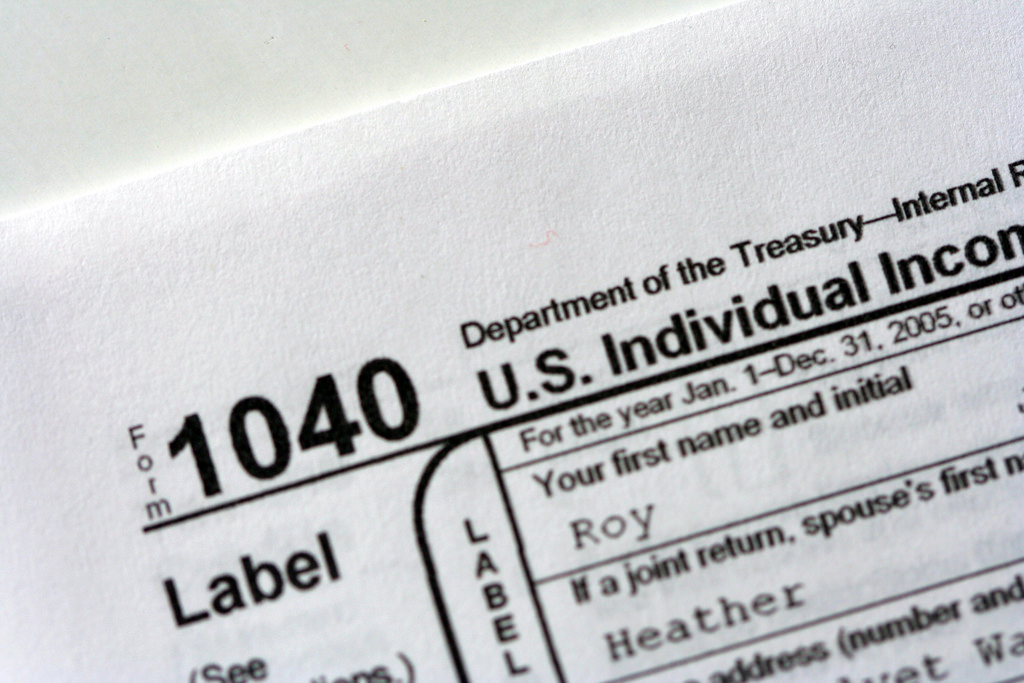
Cryptocurrency exchange Coinbase Inc. today was ordered to hand over customer records to the U.S. Internal Revenue Service after losing a case filed against it by the Department of Justice in November 2016.
The case relates to a request by the IRS for Coinbase to hand over details of all of its U.S. users and their transactions between 2013 and 2015 on the basis that customers had failed to detail their returns from bitcoin trading in their tax returns.
Coinbase opposed the request, saying at the time that the scope of the request was too broad. It said the IRS was requesting all customer records when it was only specifically pursuing two customers and that handing over the details would also constitute a breach of customer privacy.
A federal judge in San Francisco sided with the IRS, albeit with some limitations on the data requested, ruling that Coinbase must hand over details from all customers who undertook more than $20,000 in annual transactions over the specific time period. According to Coinbase, approximately 14,000 users between 2013 and 2015 had annual transactions of more than $20,000.
Coinbase spun the result as a “partial victory.” Director of Communications David Farmer wrote on Medium that although the court did not completely quash the government summons, Coinbase had nonetheless accomplished two important victories for their customers.
“First, the government vastly narrowed the scope of its summons,” Farmer wrote. “Thanks to Coinbase’s efforts, more than 480,000 customers’ records were preserved from disclosure. This is a 97 percent reduction in the number of customers impacted by this summons.”
Farmer said that the second victory was a reduction in the quantity of data they must produce for the approximately 14,000 customers and that the company was “pleased that the court acknowledged the privacy rights at stake in this matter.” The IRS had originally requested nine types of user data, including “complete user profiles, know-your-customer due diligence, documents regarding third-party access, transaction logs, records of payments processed, correspondence between Coinbase and Coinbase users, account or invoice statements and records of payments,” but now was limited to obtaining only taxpayer ID number, name, date of birth, address, transaction logs and account statements.
“While today’s result is not the complete victory we hoped for, it does represent a substantial and unprecedented victory for the industry and the hundreds of thousands of customers that would have been unfairly targeted if it weren’t for our action,” Farmer concluded.
Support our mission to keep content open and free by engaging with theCUBE community. Join theCUBE’s Alumni Trust Network, where technology leaders connect, share intelligence and create opportunities.
Founded by tech visionaries John Furrier and Dave Vellante, SiliconANGLE Media has built a dynamic ecosystem of industry-leading digital media brands that reach 15+ million elite tech professionals. Our new proprietary theCUBE AI Video Cloud is breaking ground in audience interaction, leveraging theCUBEai.com neural network to help technology companies make data-driven decisions and stay at the forefront of industry conversations.





