 PEOPLE
PEOPLE
PEOPLE






PEOPLE

A United Kingdom official wants to impose higher taxes on tech giants that don’t do their share to fight extremist web content.
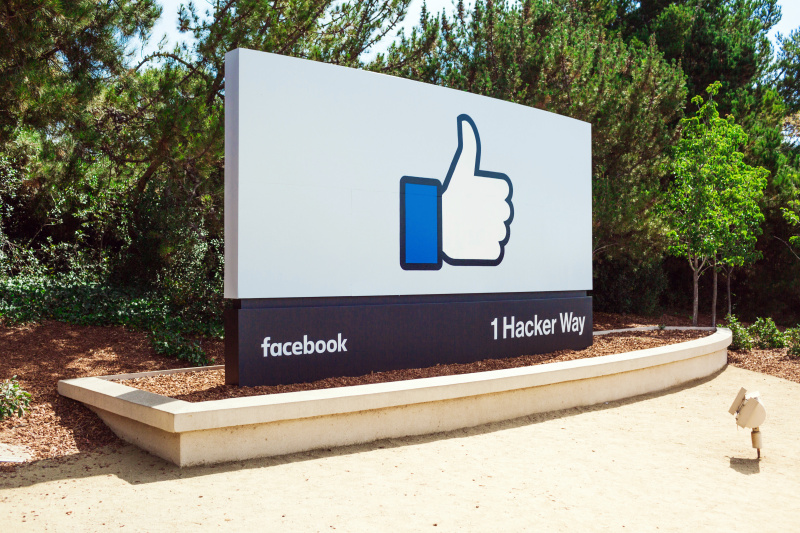
In an interview with the Sunday Times on Dec. 31, Ben Wallace, the U.K.’s minister of state for security, accused companies such as Facebook Inc. and Google LLC of passing off the burden of policing their content to the government, which must spend significant resources on tracking and countering potential terrorist threats on the companies’ online platforms.
“We should stop pretending that because they sit on beanbags in T-shirts they are not ruthless profiteers,” Wallace said. “They will ruthlessly sell our details to loans and soft-porn companies but not give it to our democratically elected government.”
Wallace did not specify the amount of his proposed tax, but the Sunday Times called his plan a “multimillion-pound tax raid” on tech giants. The goal of the tax would be to pressure Facebook and others to invest more resources in fighting extremism and to cooperate more closely with government authorities.
Facebook rejected Wallace’s accusations, saying that it is already doing everything it can to track illegal content and share relevant information with law enforcement. “Mr. Wallace is wrong to say that we put profit before safety, especially in the fight against terrorism,” said Simon Milner, Facebook’s policy director for the U.K., Middle East and Africa. “We’ve invested millions of pounds in people and technology to identify and remove terrorist content.”
A spokesperson for Google’s YouTube also denied Wallace’s claims: “Over the course of 2017 we have made significant progress through investing in machine learning technology, recruiting more reviewers, building partnerships with experts and collaboration with other companies.”
YouTube has already been on thin ice with the U.K. government since March, when reports revealed that the platform displayed government-sponsored ads alongside videos promoting antisemitism, homophobia and other controversial views. The report called attention to flaws in YouTube’s ad system, leading to a mass exodus of major advertisers until Google tightened its restrictions.
Wallace would not be the first European politician to want companies such as Facebook to pay up for not acting quickly enough on illicit content. Heiko Maas, head of Germany’s Federal Ministry of Justice and Consumer Protection, said in March that he wanted to impose a fine of up to $60 million (50 million euros) on companies that do not remove “clearly criminal” content within 24 hours.
After the law passed in June, Mass said that “without political pressure, the large platform operators will not fulfill their obligations.” Wallace seems to agree.
Support our mission to keep content open and free by engaging with theCUBE community. Join theCUBE’s Alumni Trust Network, where technology leaders connect, share intelligence and create opportunities.
Founded by tech visionaries John Furrier and Dave Vellante, SiliconANGLE Media has built a dynamic ecosystem of industry-leading digital media brands that reach 15+ million elite tech professionals. Our new proprietary theCUBE AI Video Cloud is breaking ground in audience interaction, leveraging theCUBEai.com neural network to help technology companies make data-driven decisions and stay at the forefront of industry conversations.





