 CLOUD
CLOUD
CLOUD
CLOUD







CLOUD

When a 7.1 magnitude earthquake struck the Haitian city of Port-au-Prince in 2010, the world was appalled as scenes of dangerous conditions and unstable situations began to circulate around the globe. Galvanized by the need for help, two U.S. Marines assembled a small volunteer relief team to provide much-needed aid. Like Julius Caesar leading his legion across the Rubicon river in a march on Rome, the volunteers in Haiti had made a commitment for humanitarian aid from which they could not back away. They had crossed the Rubicon.
Since that fateful time in Port-au-Prince, Team Rubicon Inc. has become a global nonprofit force in disaster relief, with more than 65,000 registered volunteers. Most of them are unpaid military veterans who work alongside first responders in harsh, difficult conditions. Their reward is rediscovering a valuable part of themselves.
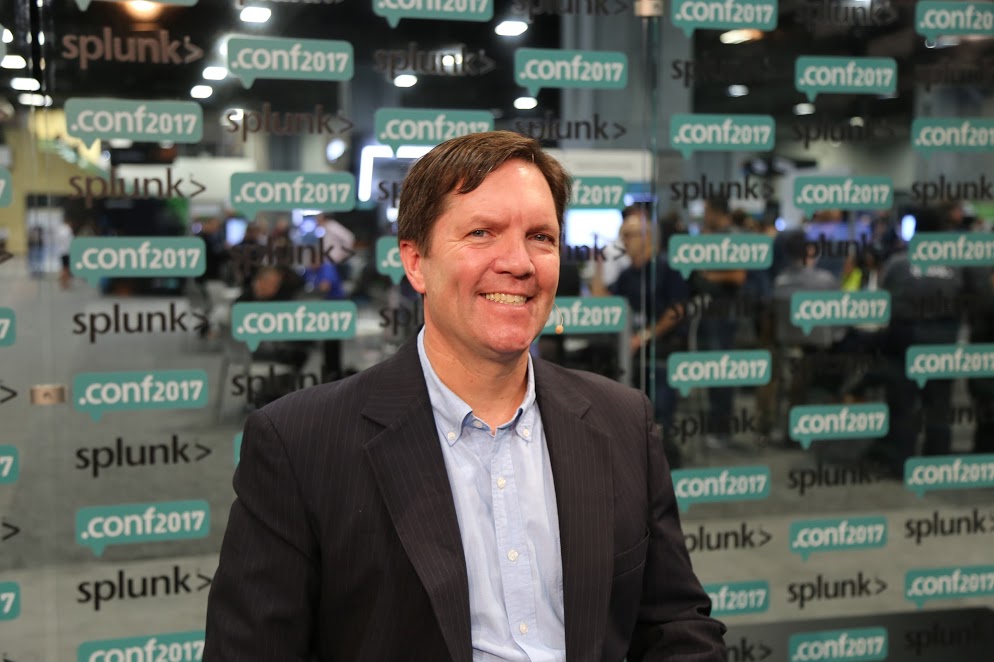
“The payment that we provide is a renewed sense of purpose. When you take off the uniform, there’s a certain amount of identity that goes on the hanger. We give that back,” said Stephen Hunt (pictured), chief information officer and chief technology officer of Team Rubicon.
Hunt visited the set of theCUBE, SiliconANGLE Media’s mobile livestreaming studio, during the Splunk.conf2017 event in Washington, D.C., and spoke with co-hosts Dave Vellante (@dvellante) and John Walls (@JohnWalls21). They discussed Splunk’s involvement with Team Rubicon, the organization’s use of the cloud, and the importance of communications technology in disaster-affected areas. (* Disclosure below.)
Managing disasters on a global scale takes a significant amount of communications and logistical coordination. Splunk has been an important partner for Team Rubicon through a pledge of $100 million in financial aid and a program that matches veterans with first responders using data sourcing and management. The nonprofit also made an early commitment to the cloud.
“We grew up about the same time that the cloud industry grew up,” Hunt said. “We have 800 to 1,500 people sign up to become a part of Team Rubicon every week, and we couldn’t do that without scale, without cloud technology.”
In addition to the partnership with Splunk, Team Rubicon is also supported by satellite provider Inmarsat PLC to provide critical communications technology in the field. Splunk provides integration support with the Inmarsat backend to ensure a fully functional view of Team Rubicon’s extensive communications network.
“The technology is important, but people are more important,” Hunt said. “When we can’t communicate if something goes wrong, it’s a problem.”
Watch the complete video interview below, and be sure to check out more of SiliconANGLE’s and theCUBE’s coverage of Splunk .conf2017. (* Disclosure: Splunk Inc. sponsored this segment of theCUBE. Neither Splunk nor other sponsors have editorial control over content on theCUBE or SiliconANGLE.)
Support our mission to keep content open and free by engaging with theCUBE community. Join theCUBE’s Alumni Trust Network, where technology leaders connect, share intelligence and create opportunities.
Founded by tech visionaries John Furrier and Dave Vellante, SiliconANGLE Media has built a dynamic ecosystem of industry-leading digital media brands that reach 15+ million elite tech professionals. Our new proprietary theCUBE AI Video Cloud is breaking ground in audience interaction, leveraging theCUBEai.com neural network to help technology companies make data-driven decisions and stay at the forefront of industry conversations.





