 APPS
APPS
APPS
APPS






APPS

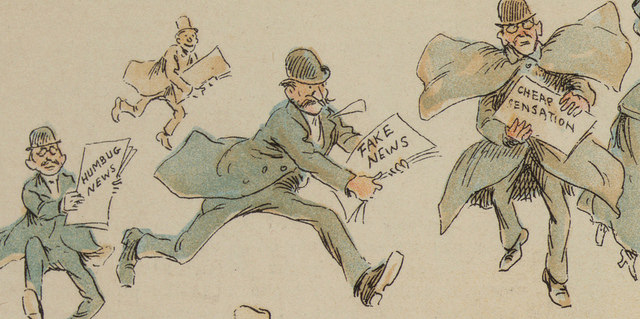
Facebook Inc. finally moved Friday to crack down on the dissemination of dubious news and clickbait by letting its users decide what news is trustworthy.
“Starting next week, we will begin tests in the first area: to prioritize news from publications that the community rates as trustworthy,” Facebook wrote in a press release. The company said it will survey a “diverse and representative sample of people” to set the standard for trustworthiness.
Chief Executive Mark Zuckerberg said in a post that there’s too much “sensationalism, misinformation and polarization in the world today,” adding that something has to be done about the spread of what’s now better known as “fake news.” Last year Facebook came under considerable scrutiny after being accused of being the engine of fake news during the U.S. elections.
Zuckerberg conceded there’s no easy solution, saying Facebook is not comfortable with acting as judge and jury regarding what news sources are reliable and which aren’t. “The idea is that some news organizations are only trusted by their readers or watchers, and others are broadly trusted across society even by those who don’t follow them directly,” said Zuckerberg.
Not surprisingly, leaving the onus on users to decide what is trustworthy and what is fake has been met with some degree of consternation. As the Atlantic asked, what does the survey ask of its target group, and given the division of opinions in a climate where people fear a “Big Brother” type of scenario, will there be scrutiny over the decisions and will the decisions be made public? Will media organizations have recourse if they are deemed not trustworthy?
Gizmodo was more blunt with its criticism, calling the move “the stupidest solution imaginable.” The question it posed was essential: Why on Earth would Facebook be putting trust in people it doesn’t trust to be able or responsible enough to know what is fiction and what is a good standard of news.
One Forbes contributor invoked Big Brother, saying that Facebook was fast making “Orwell’s ‘1984’ a reality.” The article was mainly concerned with Facebook’s lack of transparency: “The reality is that by cloaking the process in secrecy and refusing to release any information about the methodology or the aggregate user demographics of those generating its scores, Facebook’s effort appears to be nothing more than a thinly veiled attempt to convince government regulators that it is a neutral platform whose users make the content decisions.”
The news was good for the New York Times Co., however. Its stock surged after Facebook made the announcement. In 2017, a Reynolds Journalism Institute survey ranked the least and most trusted well- known news sources, with the Times doing just better than average. Perhaps the survey might be some indication of who will be the winners and losers on the Facebook platform.
Support our mission to keep content open and free by engaging with theCUBE community. Join theCUBE’s Alumni Trust Network, where technology leaders connect, share intelligence and create opportunities.
Founded by tech visionaries John Furrier and Dave Vellante, SiliconANGLE Media has built a dynamic ecosystem of industry-leading digital media brands that reach 15+ million elite tech professionals. Our new proprietary theCUBE AI Video Cloud is breaking ground in audience interaction, leveraging theCUBEai.com neural network to help technology companies make data-driven decisions and stay at the forefront of industry conversations.





