



 INFRA
INFRA
INFRA
INFRA
INFRA

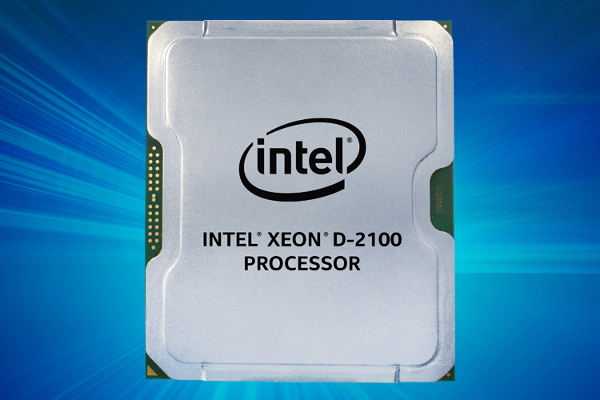
Intel Corp. this morning pulled back the curtains on the Xeon D-2100, a specialized new chip series built to perform computations outside a traditional data center.
So-called edge computing enables companies to process data closer to the point of creation in the interest of improving response times. A factory operator, for example, might wish to analyze sensory logs from production equipment on-site to avoid the delay of sending them to a remote data center and then wait until the results come back.
The only challenge is that operating in a remote location comes with certain logistical constraints, which the D-2100 addresses. The unit is an integrated system-on-chip that packs up to 18 processing cores and many of the other essential components necessary for an edge device into a compact board. It has a small power footprint that ranges from 60 to 110 watts depending on the model.
Inside the system, the processing cores are based on Intel’s latest Skylake SP 14-nanometer architecture. Another major improvement over the company’s older edge computing chips is that the module incorporates a new “mesh interconnect” borrowed from its newest-generation data center processors.
This mechanism is the part of the system responsible for shuffling data between cores. Intel’s mesh architecture organizes the different chip components in neat rows and columns that allow for information to flow more smoothly than the previous setup, thus speeding up processing times.
The D-2100’s performance also benefits from the fact that it includes the company’s QuickAssist Technology. It’s a specialized component that can encrypt and decrypt data at a rate of up to 100 gigabits per second, freeing up the main cores for other tasks.
Overall, Intel said, the D-2100 is up to 60 percent faster than its predecessor when handling general-purpose computing tasks. The chip also provides nearly three times more networking and storage performance. This can translate into a major speed boost for companies that store or analyze data at the edge of their networks.
The D-2100 comes in 14 models ranging from 4 to 18 cores. Intel sees hardware partners incorporating the chips into data storage devices, compact servers (particularly the kind used to substitute proprietary switches in software-defined networks) and even connected cars.
… We’d like to tell you about our mission and how you can help us fulfill it. SiliconANGLE Media Inc.’s business model is based on the intrinsic value of the content, not advertising. Unlike many online publications, we don’t have a paywall or run banner advertising, because we want to keep our journalism open, without influence or the need to chase traffic.The journalism, reporting and commentary on SiliconANGLE — along with live, unscripted video from our Silicon Valley studio and globe-trotting video teams at theCUBE — take a lot of hard work, time and money. Keeping the quality high requires the support of sponsors who are aligned with our vision of ad-free journalism content.
If you like the reporting, video interviews and other ad-free content here, please take a moment to check out a sample of the video content supported by our sponsors, tweet your support, and keep coming back to SiliconANGLE.






