 INFRA
INFRA
INFRA
INFRA






INFRA

The heads of the CIA, FBI and NSA are advising Americans not to use phones made by Chinese firm Huawei Technologies Co. Ltd. because they could be used for espionage.
According to a report Wednesday by CNBC, six intelligence chiefs from the agencies told a Senate Intelligence Committee on Tuesday that there was a danger in using a product made by a company with close ties to the Chinese government. They said the company, which last year leapfrogged Apple Inc. as the second-biggest smartphone manufacturer in the world after South Korea’s Samsung Electronics Inc., could be using their phones as spying devices.
“We’re deeply concerned about the risks of allowing any company or entity that is beholden to foreign governments that don’t share our values to gain positions of power inside our telecommunications networks,” said FBI Director Christopher Wray. “That provides the capacity to exert pressure or control over our telecommunications infrastructure. It provides the capacity to maliciously modify or steal information. And it provides the capacity to conduct undetected espionage.”
As for the ties, Huawei is a private company, but its founder Ren Zhengfei was once an engineer and later was elected to be a member of the National Congress of the Communist Party of China.
In 2015 the FBI called Huawei’s relationship with the Chinese government “opaque” in a report, stating that since Huawei was founded in 1987, it “continues to receive open support from senior Chinese Communist Party officials and People’s Liberation Army (PLA) Commanders.” In 2013, Indian intelligence started an investigation into the company, citing fears of possible espionage.
As the second-largest smartphone maker in the world, Huawei has gained a reputation for making high-quality phones at generally competitive prices. The market in America might be there for the taking, but because of the government’s distrust of the company, it has struggled to gain traction in the U.S.
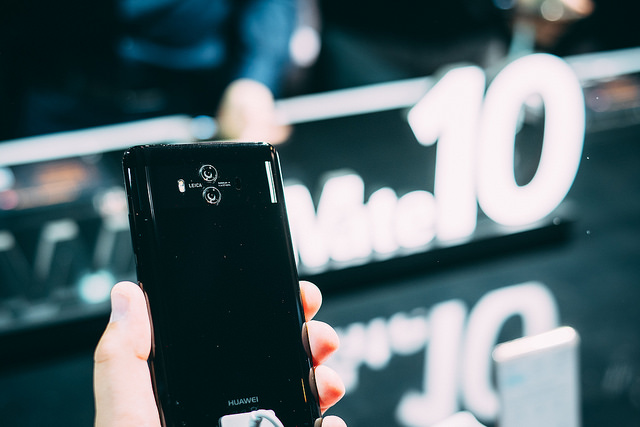
Only last month, U.S. lawmakers put pressure on AT&T Inc. not to strike a deal with Huawei to launch its Mate 10 Pro flagship. The pressure seemed to work because the telecom giant backed out.
“Huawei is aware of a range of U.S. government activities seemingly aimed at inhibiting Huawei’s business in the U.S. market,” the company said in a statement. It denied having any interest in spying, saying its phones sell in 170 countries and pose no cybersecurity risk to any of them.
Support our mission to keep content open and free by engaging with theCUBE community. Join theCUBE’s Alumni Trust Network, where technology leaders connect, share intelligence and create opportunities.
Founded by tech visionaries John Furrier and Dave Vellante, SiliconANGLE Media has built a dynamic ecosystem of industry-leading digital media brands that reach 15+ million elite tech professionals. Our new proprietary theCUBE AI Video Cloud is breaking ground in audience interaction, leveraging theCUBEai.com neural network to help technology companies make data-driven decisions and stay at the forefront of industry conversations.





