 EMERGING TECH
EMERGING TECH
EMERGING TECH






EMERGING TECH

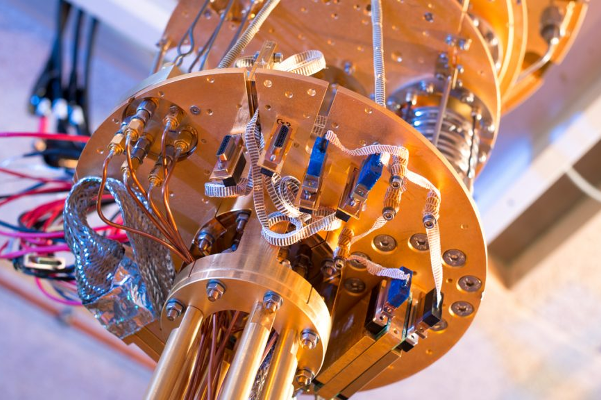
Microsoft Corp. and other top tech firms are currently working to develop quantum computers that they hope will one day outperform even the most powerful conventional machines, at least on certain challenging computing jobs.
Harnessing all this processing power will require an entirely new development approach, a priority that the software giant is already addressing today. At the center of Microsoft’s effort is the Quantum Development Kit that it released back in December, which is receiving a major upgrade this morning.
The main focus of the update is the quantum simulator at the heart of the bundle. Microsoft claims that the system, which enables developers to emulate the unique properties of a quantum computer on their workstations, can now run code up to five times faster than before.
The company said the speed boost should be particularly noticeable for simulations that use upwards of 20 virtual qubits. These are the quantum equivalents of a bit, with the main difference being that they have three possible states instead of just two.
Developers can run experiments not only on Windows but also on Linux and macOS thanks to new cross-platform support, the other major highlight of today’s update. According to Microsoft, this was most requested feature among early adopters of the development kit.
The rest of the enhancements in the new release are likewise designed to accommodate developers’ preferences. Microsoft has added support for Python, a popular programming language that’s widely used in fields such as data science, and put an open-source license on several components of the kit. The latter change gives adopters much more freedom in how they use the bundle, particularly when it comes to making modifications.
The new Quantum Development Kit is available for download today. It’s one element of a broader engineering effort by Microsoft that also includes plans to develop a homegrown quantum computer.
Todd Holmdahl, the head of Microsoft’s quantum computer division, told Ars Technica on occasion of the update that he’s “confident” the company will build its first working qubit by the end of the year. He added that production is expected to speed up considerably from there.
Support our mission to keep content open and free by engaging with theCUBE community. Join theCUBE’s Alumni Trust Network, where technology leaders connect, share intelligence and create opportunities.
Founded by tech visionaries John Furrier and Dave Vellante, SiliconANGLE Media has built a dynamic ecosystem of industry-leading digital media brands that reach 15+ million elite tech professionals. Our new proprietary theCUBE AI Video Cloud is breaking ground in audience interaction, leveraging theCUBEai.com neural network to help technology companies make data-driven decisions and stay at the forefront of industry conversations.





