 EMERGING TECH
EMERGING TECH
EMERGING TECH






EMERGING TECH

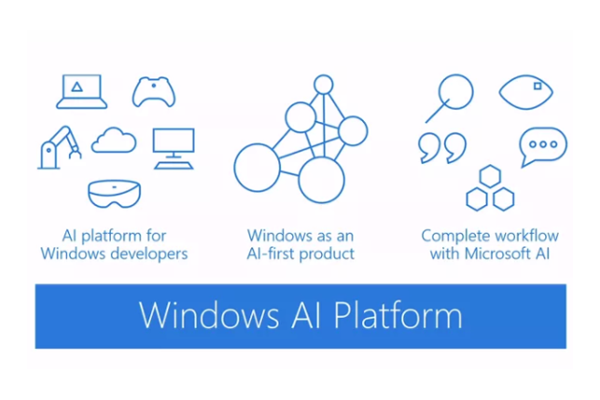
Microsoft Corp. today unveiled a new artificial intelligence toolkit for Windows 10 that will pave the way to the development of desktop applications with built-in machine learning capabilities.
The technology, which the company calls Windows ML, is set to release with the next major upgrade to the operating system this spring. At its core is an abstraction layer that can automatically optimize an application’s machine learning model for the underlying hardware.
Windows ML adapts itself to every machine. If a computer includes a graphics card that supports Microsoft’s DirectX framework, Windows ML can use the software’s performance boosting features to enhance response times. On a less sophisticated machine, it might simply run AI models on the central processing unit.
Microsoft also plans to provide support for specialized chips custom-made to power AI software. As part of the effort, the company is collaborating with Intel Corp. to make Windows ML compatible with its Movidius vision processing units. The chipmaker’s most powerful VPU provides up to 100 gigaflops of computational power for running neural networks.
The fact that Windows ML performs hardware optimizations automatically will make it much more practical for developers to incorporate AI into their applications. Instead of fine-tuning software for multiple different chip types, they’ll simply have to add integration with the toolkit.
A lower entry barrier, in turn, should lead to the creation of more Windows applications with embedded AI capabilities. The ability to run machine learning model directly on the user’s computer removes the need for a program to offload the task to the cloud. This frees up bandwidth and enables the application to keep running even during a network outage.
Reducing the risk of Internet-related downtime should be particularly valuable for enterprises. Certain organizations may also prefer keeping AI models for security or regulatory compliance purposes.
With that said, the public cloud still plays a big part in Microsoft’s plan for Windows ML. The company envisions developers using the AI services in its Azure platform to build models for their applications. Windows ML will initially support neural networks created in the Azure Machine Learning Workbench, with support for Azure Custom Vision set to arrive further down the road.
The personal computer market is just one of the segments that Microsoft plans to target with the toolkit. The company said that Windows ML will also enable developers to deploy AI applications on workstations, the HoloLens mixed reality headset, connected devices and even in data center environments.
Support our mission to keep content open and free by engaging with theCUBE community. Join theCUBE’s Alumni Trust Network, where technology leaders connect, share intelligence and create opportunities.
Founded by tech visionaries John Furrier and Dave Vellante, SiliconANGLE Media has built a dynamic ecosystem of industry-leading digital media brands that reach 15+ million elite tech professionals. Our new proprietary theCUBE AI Video Cloud is breaking ground in audience interaction, leveraging theCUBEai.com neural network to help technology companies make data-driven decisions and stay at the forefront of industry conversations.





