 APPS
APPS
APPS
APPS






APPS

In a positive sign, the number of blacklisted apps that serve up customers adware, malware and other nefarious activities dropped in the fourth quarter.
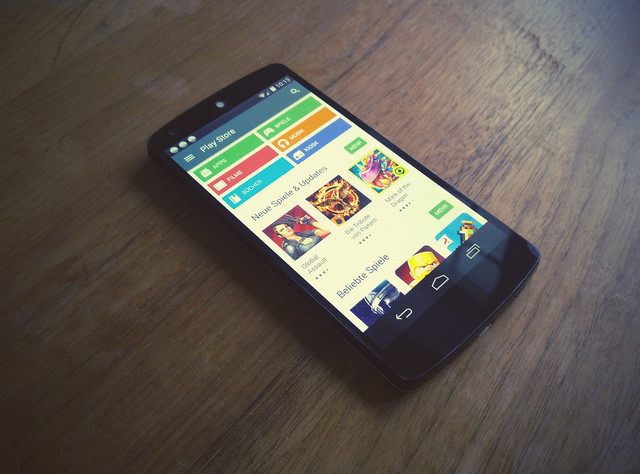
But according to a new report, but despite its best efforts Google LLC’s Play store still remains the most common distribution point for these apps.
The Q4 2017 Mobile Threat Landscape Report from security firm RiskIQ Inc. which takes data from 120 plus app stores and daily scans of nearly 2 billion resources including websites that offer apps directly, found that there was a 37 percent drop in blacklisted apps in the fourth quarter from the third quarter. But some forms of malicious apps did increase, in particular those relating to cryptocurrencies.
Blacklisted apps observed dropped from 60,904 in the third quarter to only 38,425 in the fourth quarter, with only 7,419 new blacklisted apps, itself notable since it would indicate that measures against such apps being listed may be working.
By app store, Google Play maintained its position as the most popular distribution point for blacklisted apps. The report found 9,375 malicious apps, with approximately 6 percent of all apps in the store blacklisted, a two-point increase from the third quarter.
Following Google Play, a store called “AndroidAPKDescargar” was found to have 7,419 blacklisted apps, 41 percent of all apps listed; “9game.com” had 4,083 blacklisted apps, a whopping 86 percent of its total apps; and “9apps” came in fourth with 3,644 blacklisted apps, 15 percent of the total.
By type, blacklisted apps that included adware topped the list with 14,758, of which 11,656 were also flagged for malicious behaviors such as acting as a trojan virus or spyware, leaving 3,102 apps solely acting as adware.
“It pays to be careful what is loaded onto your mobile device,” the researchers concluded. “Some simple guidelines to follow are to only download from official stores, like the Google Play store. Google is proactive in removing malicious applications, and while some may slip through from time to time, it is far safer to download from there than third-party stores which may be used for malicious campaigns.”
Support our mission to keep content open and free by engaging with theCUBE community. Join theCUBE’s Alumni Trust Network, where technology leaders connect, share intelligence and create opportunities.
Founded by tech visionaries John Furrier and Dave Vellante, SiliconANGLE Media has built a dynamic ecosystem of industry-leading digital media brands that reach 15+ million elite tech professionals. Our new proprietary theCUBE AI Video Cloud is breaking ground in audience interaction, leveraging theCUBEai.com neural network to help technology companies make data-driven decisions and stay at the forefront of industry conversations.





