 BIG DATA
BIG DATA
BIG DATA







BIG DATA

The term design thinking may conjure ideas of conceptual fluff or do-nothing aesthetics; in practice, though, it is a productive philosophy and practice for birthing brainchildren into the corporeal world.
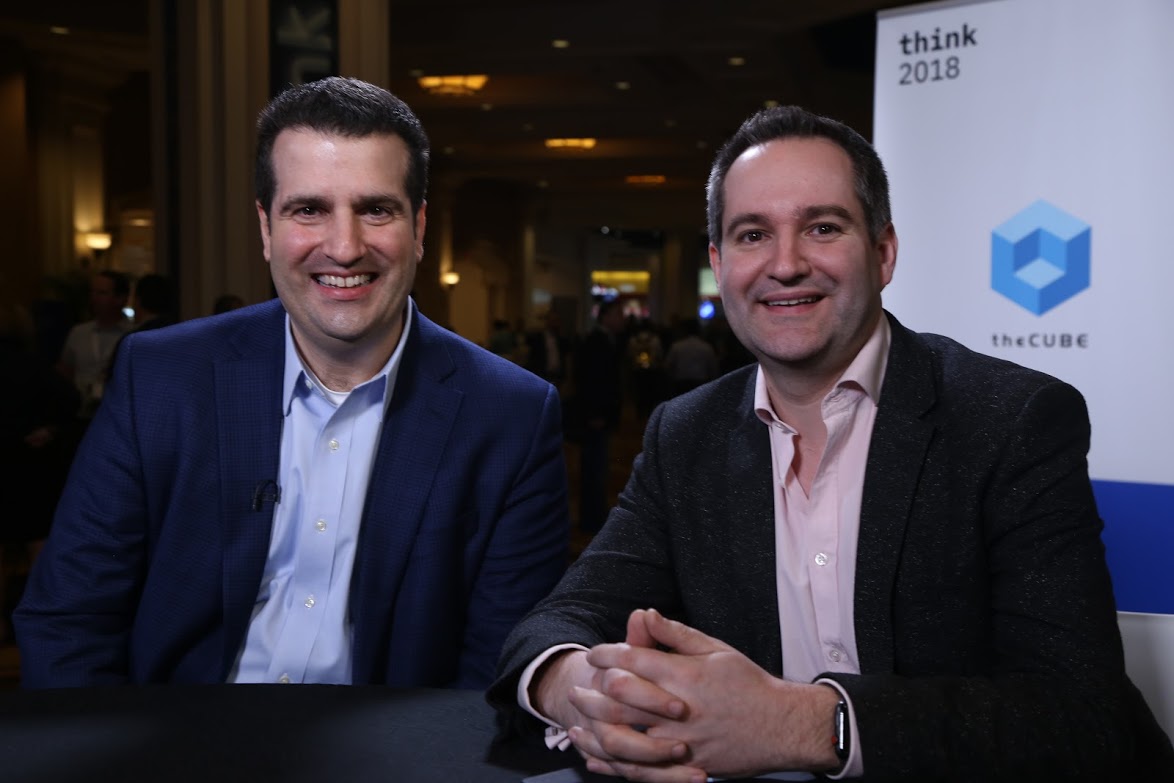
At least, that is the ideal that IBM Corp.’s multidisciplinary IBM iX design teams set for themselves. “Design we view as a craft; so we have very specific craftspeople that are pure designers — that’s what they do every day for a living,” said Paul Papas (pictured, left), global leader of digital strategy and IX at IBM.
But design thinking isn’t the sole property of designers. “Everyone in our organization practices design thinking,” Papas stated. Design thinking applies agile, iterative, data-driven methods to helping clients define or redefine their business strategies for a digital world, he added.
Papas and Matt Candy (pictured, right), global leader of IBM iX, spoke with John Furrier (@furrier), host of theCUBE, SiliconANGLE Media’s mobile livestreaming studio, at the IBM Think event in Las Vegas. They discussed the practical formula for digital transformation in the real world. (* Disclosure below.)
IBM iX does not simply consult clients on what might be the surest direction for future growth. It gets its vast team of trained business strategists, data scientists, creative designers, etc., to bake out practical new strategies with them. All have been trained in design thinking to solve client business problems.
“Nothing we do is hypothetical,” Papas said. “Everything we do is real and drives a real business impact for our clients.”
Once IBM iX and a client come up with feasible ideas for new digital services or products, they generally don’t cannon them blindly into the mass market. They might develop a paper prototype or minimum viable product and launch it into a carefully chosen target market and test it with key performance indicators. An MVP might take only eight to 10 weeks from inception to launch (in contrast to a mass transformation program, which may take a year or more, according to Candy.
“So you’re kind of driving change and transformation through making and creating and doing — not through some big change management program,” Candy concluded.
Watch the complete video interview below, and be sure to check out more of SiliconANGLE’s and theCUBE’s coverage of the IBM Think event. (* Disclosure: TheCUBE is a paid media partner for IBM Think. Neither IBM, the event sponsor, nor other sponsors have editorial control over content on theCUBE or SiliconANGLE.)
Support our mission to keep content open and free by engaging with theCUBE community. Join theCUBE’s Alumni Trust Network, where technology leaders connect, share intelligence and create opportunities.
Founded by tech visionaries John Furrier and Dave Vellante, SiliconANGLE Media has built a dynamic ecosystem of industry-leading digital media brands that reach 15+ million elite tech professionals. Our new proprietary theCUBE AI Video Cloud is breaking ground in audience interaction, leveraging theCUBEai.com neural network to help technology companies make data-driven decisions and stay at the forefront of industry conversations.





