 INFRA
INFRA
INFRA
INFRA







INFRA

As Cisco Systems Inc. invests heavily in “internet of things,” including some key acquisitions and new software-defined wide area network products based on its Meraki and Viptela technologies, the company seeks to retain its leadership position in the collaboration market. But what are Cisco’s motives in attracting developers to its IoT hardware offerings, and how does software service the edge of the computing network?
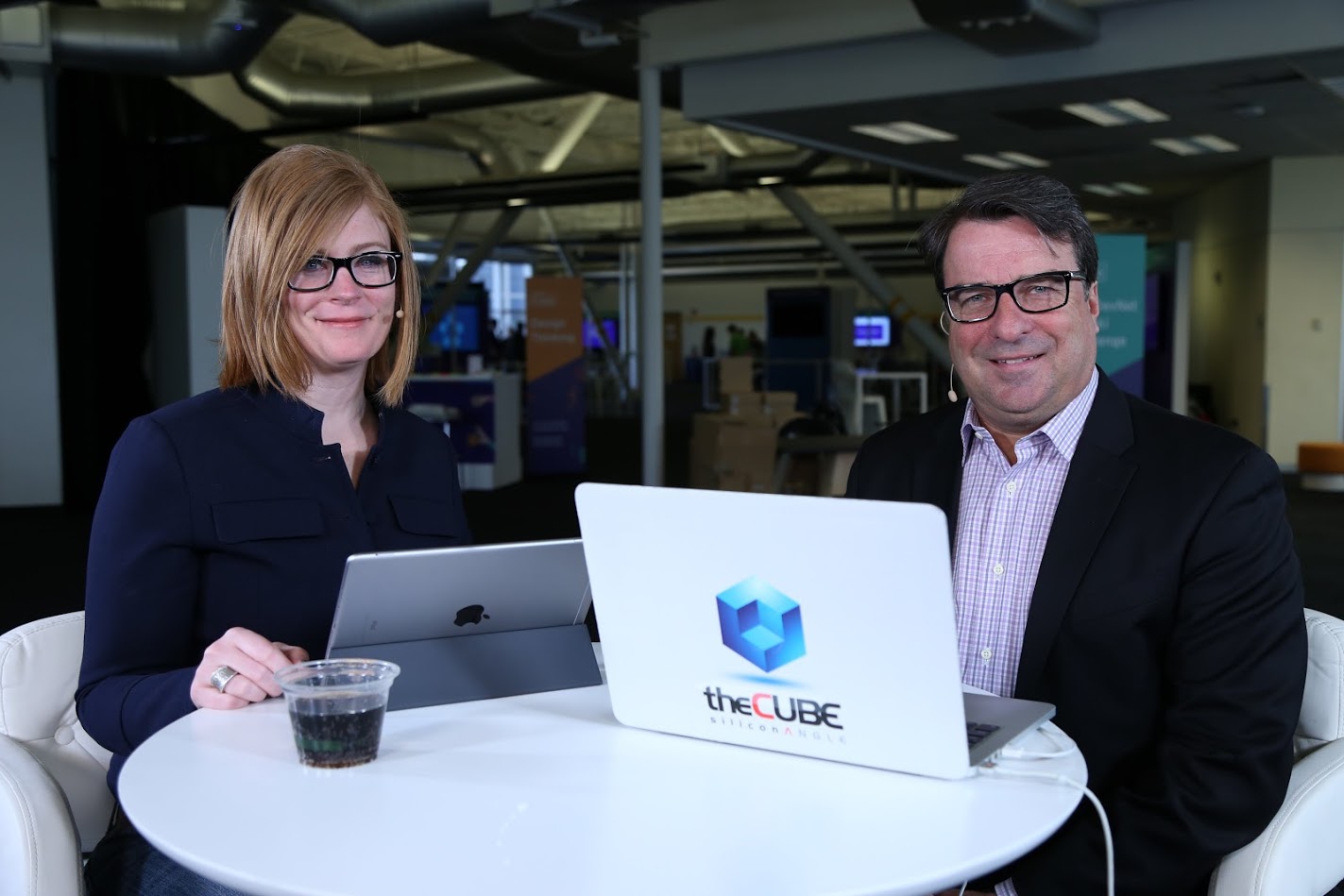
During this week’s DevNet Create event in Mountain View, California, John Furrier (@furrier), host of theCUBE, SiliconANGLE Media’s mobile livestreaming studio, and guest host Lauren Cooney (@lcooney), evaluated these questions and more, including breaking down Cisco’s move into the DevOps cloud developer world. (* Disclosure below.)
“Cisco created a new group almost a year ago … called DevNet Create to get out of the Cisco bubble and go out into the cloud world and see if they can’t connect the cloud ecosystem … and bring that with the Cisco network engineering community, who are … network engineers [that] deal with provisioning gear, routes,” Furrier said.
While the number of Cisco Certified Internetwork Experts has been decreasing over the past couple of years, the reason isn’t because the network is less important, but because new skill sets are emerging, according to Cooney. “Folks need to take on these new skills to learn and to really flourish in their careers,” she said. “So I think what DevNet is doing is just tremendous in terms of enabling developers to move up stack to look at things like Kubernetes, to look at things like cloud native, to look at new applications you can build, new things that you can extend to API integration into new types of applications.”
Timing is critical in today’s developer-centric culture, and some legacy companies, including Cisco, have pivoted seamlessly into the evolving DevOps, open-source world, according to Furrier and Cooney. Solving problems of scale and edge computing was a turning point in the industry, Cooney added.
“How do you actually bring these to the masses? How do you go where the people are? How do you store data where people are? How do you extend security in new ways?” Cooney asked.
Over the years, an internal debate within Cisco revolved around the question of if the company should move up the stack and, if so, how, Furrier pointed out. “It’s a good time now to start moving up the stack because automation’s here,” he said.
Are the right people in the right places within Cisco to allow the company to move up the stack? Cooney says yes. “I think Susie’s [Wee] effort is just tremendous in terms of driving the users up stack to have them learn these new skills. And as they learn these new skills, they’re learning it on Cisco,” Cooney said. “And that’s gonna be really critical; that’s gonna have the pull power.”
To continue its progress in the market, Cisco needs to double down on its efforts, according to Furrier. “At Cisco Live in Barcelona, it really became apparent to me that Cisco is really pulling in the right direction on a couple things. They’ve got their eye on the prize on video, they could really crush the IoT opportunity, and the leverage of the network is a huge asset,” he said. “If they could make that programmable with an open-source community behind it … this could be a whole nother Cisco.”
Watch the complete video interview below, and be sure to check out more of SiliconANGLE’s and theCUBE’s coverage of the DevNet Create 2018 event. (* Disclosure: TheCUBE is a paid media partner for DevNet Create. Neither Cisco Systems Inc., the event sponsor, nor other sponsors have editorial control over content on theCUBE or SiliconANGLE.)
Support our mission to keep content open and free by engaging with theCUBE community. Join theCUBE’s Alumni Trust Network, where technology leaders connect, share intelligence and create opportunities.
Founded by tech visionaries John Furrier and Dave Vellante, SiliconANGLE Media has built a dynamic ecosystem of industry-leading digital media brands that reach 15+ million elite tech professionals. Our new proprietary theCUBE AI Video Cloud is breaking ground in audience interaction, leveraging theCUBEai.com neural network to help technology companies make data-driven decisions and stay at the forefront of industry conversations.





