 INFRA
INFRA
INFRA
INFRA






INFRA

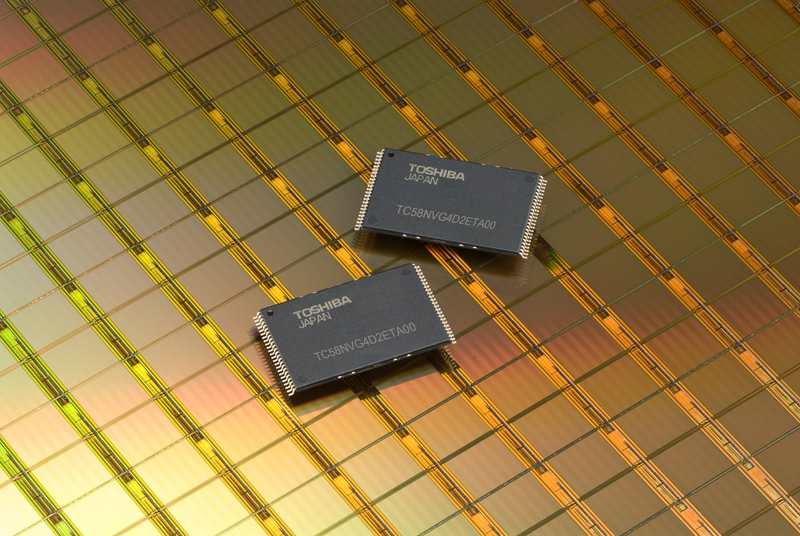
A year after Toshiba Corp. reached a landmark $18 billion deal to sell its flash memory business to a consortium backed by Apple Inc., it’s looking unlikely that the transaction will go through.
A report published in the Wall Street Journal today cited sources as saying that the Japanese company has “mostly given up” on the sale. They attributed Toshiba’s pessimism to difficulties securing approval from authorities in China, where its flash unit maintains a significant presence.
There’s reason to believe that the regulatory hold-up could be tied to the recent trade tensions between Beijing and Washington. Like Apple, most of the other companies in the consortium looking to acquire the unit hail from the United States. That includes lead investor Bain Capital LP.
Toshiba executives had reportedly nonetheless considered it likely that Chinese regulators would sign off the deal, at least initially. That optimism faded by March when the trade tensions began to flare up.
Toshiba’s deal with the Bain-led consortium isn’t the only semiconductor transaction caught up in the crossfire. Qualcomm Inc. has had to delay its $44 billion acquisition of NXP Semiconductor NV, a rivaling chip maker, due to the regulatory demands posed by Chinese regulators. The transaction has already received the blessing of the eight other international antitrust bodies whose approval was required.
The Journal’s sources said that there’s still a chance China will authorize the sale of Toshiba’s flash unit before the deadline for the decision, which is at the end of the month. But the company is not counting on it. Executives have reportedly been reviewing several alternative courses of action in case the deal falls through.
One option the tipsters mentioned is for Toshiba to take the unit public. They said that the company might also push to change the composition of the buyer consortium or, if all else fails, simply keep the division.
The tech industry will no doubt be watching the effort closely. The fate of the unit, which is the world’s second largest producer of flash, will have particularly big consequences for the firms in the buyer consortium. Pushing through with the sale would give the two most prominent participants, Apple and Dell Technologies Inc., more control over the supply of the high-speed memory chips they use in their products amid efforts by flash market leader Samsung Electronics Co. Ltd to cement its grip on this segment.
Support our mission to keep content open and free by engaging with theCUBE community. Join theCUBE’s Alumni Trust Network, where technology leaders connect, share intelligence and create opportunities.
Founded by tech visionaries John Furrier and Dave Vellante, SiliconANGLE Media has built a dynamic ecosystem of industry-leading digital media brands that reach 15+ million elite tech professionals. Our new proprietary theCUBE AI Video Cloud is breaking ground in audience interaction, leveraging theCUBEai.com neural network to help technology companies make data-driven decisions and stay at the forefront of industry conversations.





