 APPS
APPS
APPS
APPS







APPS

Open-source, cloud-native, machine learning and artificial intelligence capabilities are bringing in a new era for software and applications development, calling for a change in modern software architecture. As businesses wrestle with new software and application needs, they understand that a cultural shift is needed in this adaptable architectural environment.
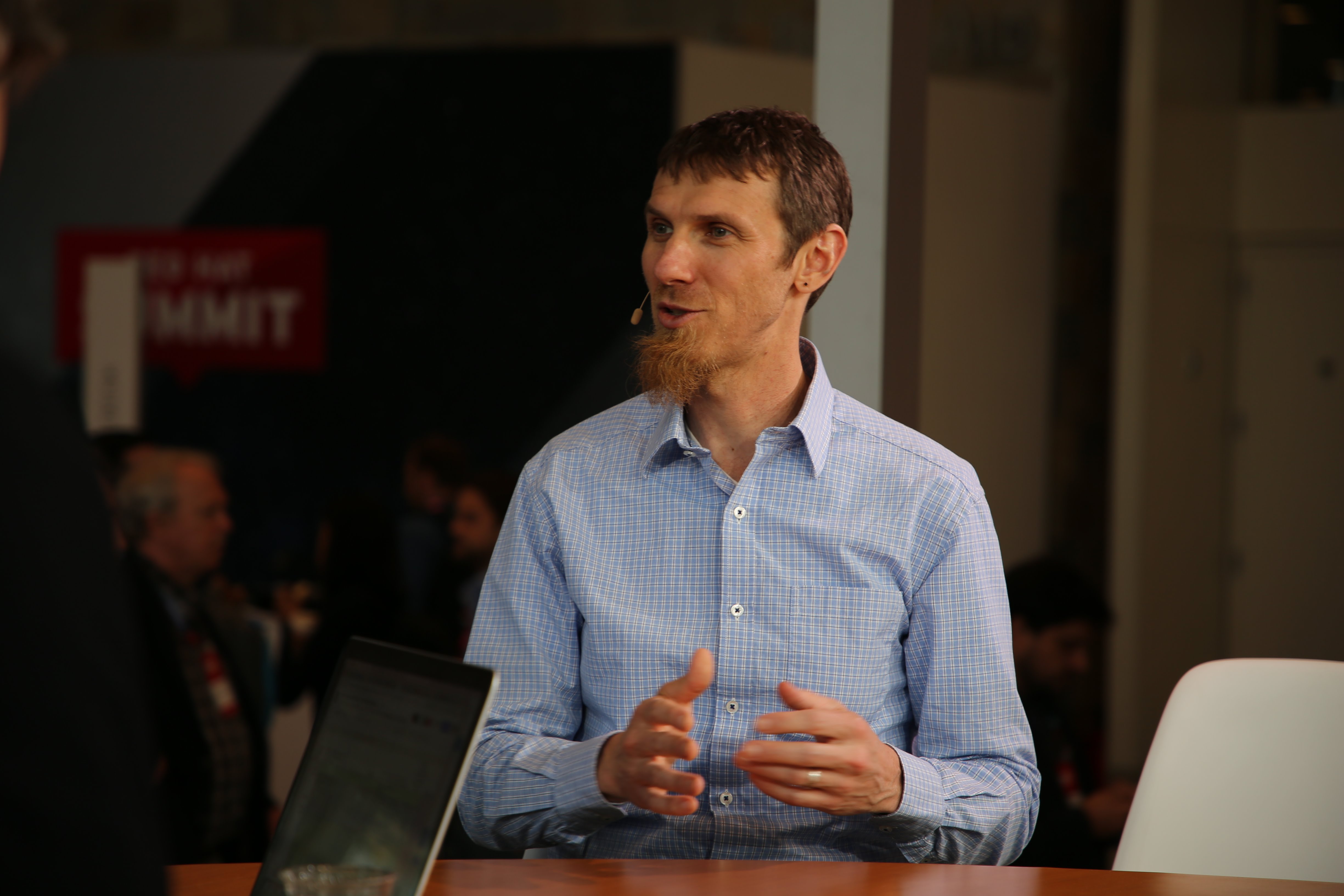
“It’s taken some time for the industry to kind of understand what’s going on,” said Chris Wright (pictured), vice president and chief technology officer of Red Hat Inc. “Part of it is just helping customers understand it isn’t just technology … but the practical reality is there’s whole organizational shifts; there’s mindset and cultural changes that need to happen inside the organization to take advantage of the technology that we put in place.”
Wright spoke with John Furrier (@furrier), host of theCUBE, SiliconANGLE Media’s mobile livestreaming studio, and guest host John Troyer (@jtroyer), chief reckoner at TechReckoning, during the Red Hat Summit in San Francisco. They discussed how Red Hat is helping companies navigate the architectural and application shifts for cloud and native-cloud implementation. (* Disclosure below.)
One of the primary things companies need to understand is that open source is a huge key to the future, according to Wright. Concepts like AI, machine learning, 5G and mobile edge computing, and blockchain are truly open-source developments, and Red Hat is looking into these open-source environments to help accelerate developers’ ability to quickly build applications.
“We’re totally tuned into these environments; it’s core to who we are. It’s our DNA to be involved in these open-source communities,” Wright said. “[These] become really relevant in ways that we can change how we build functionality, and build business, and build business value in the future.”
One of the ways Red Hat helps companies is through its Open Innovation Labs, which is an immersive practice to help customers experience building cloud-native applications for specific business needs. Through this workshop, engineers can then go back and help to be a change agent for the rest of the company on how to build the internal cultural shift across the organization.
As to the question of AI and machine learning capability, it’s key to pair data scientists with developers to build intelligent applications, which takes advantage of all the data that an enterprise is gathering, according to Wright.
“[Turn] that into value as part of your application development cycle,” he concluded.
Watch the complete video interview below, and be sure to check out more of SiliconANGLE’s and theCUBE’s coverage of the Red Hat Summit event. (* Disclosure: TheCUBE is a paid media partner for Red Hat Summit. Neither Red Hat Inc., the event sponsor, nor other sponsors have editorial control over content on theCUBE or SiliconANGLE.)
Support our mission to keep content open and free by engaging with theCUBE community. Join theCUBE’s Alumni Trust Network, where technology leaders connect, share intelligence and create opportunities.
Founded by tech visionaries John Furrier and Dave Vellante, SiliconANGLE Media has built a dynamic ecosystem of industry-leading digital media brands that reach 15+ million elite tech professionals. Our new proprietary theCUBE AI Video Cloud is breaking ground in audience interaction, leveraging theCUBEai.com neural network to help technology companies make data-driven decisions and stay at the forefront of industry conversations.





