 CLOUD
CLOUD
CLOUD
CLOUD







CLOUD

The development and deployment of the Kubernetes container management platform is just one example of a technology that Google Inc. developed first as an internal tool and then made available in the enterprise community where it took off like a rocket. One container survey in 2016 found that over 50 percent of respondents did not use containers at all. A year later, not only were more respondents using containers, but 71 percent of them were using Kubernetes.
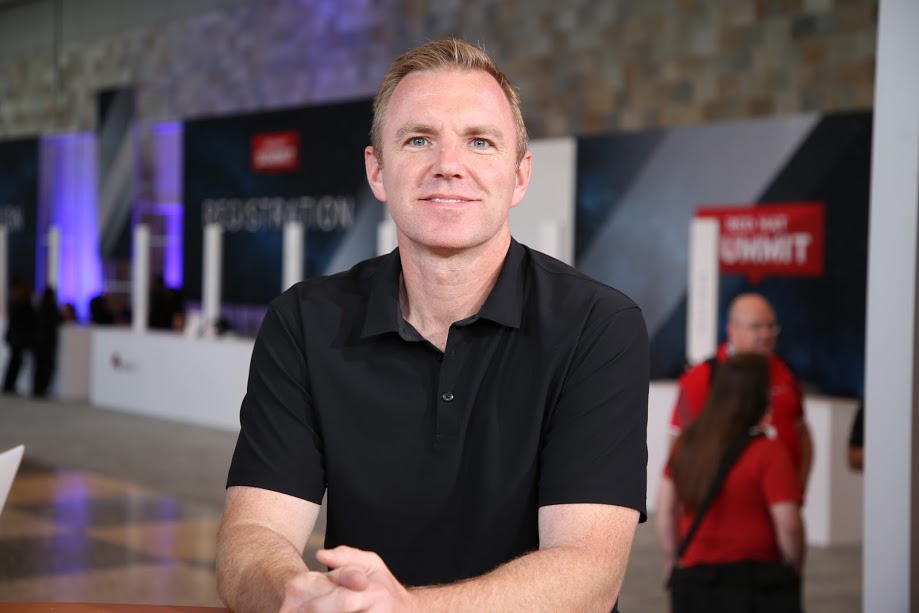
“We’ve been running containers for almost a dozen years,” said Jonathan Donaldson (pictured), technical director of the office of the chief technology officer for Google Cloud. “Four billion a week we launch and collapse. We understand uptime and scalability really well.”
Donaldson spoke with John Furrier (@furrier), host of theCUBE, SiliconANGLE Media’s mobile livestreaming studio, and guest host John Troyer (@jtroyer), at Red Hat Summit in San Francisco. They discussed machine learning tools and enterprise security practices being used inside Google today. (* Disclosure below.)
With Google Cloud, the company has a prime opportunity to hear from its enterprise customers on needs other than container orchestration. The chances are good that Google will have an internal product or process that just might be of interest beyond its walls.
One of those areas involves machine learning. In January, Google announced the alpha launch of AutoML Vision, a service to help developers build custom image recognition models. On the Google Cloud website, an example of AutoML is posted showcasing the work of a data scientist in Japan who used the tool to correctly identify where three different bowls of Ramen noodles were produced out of 41 shops.
“We’ve been using machine learning for almost 10 years inside Google,” said Donaldson, who highlighted uses such as Gmail applications and data center power efficiency. “Those are very mundane things, but we have a lot of experience with that.”
Another key area of enterprise concern is network security. Years ago, Google made the decision to forego virtual private networks and built its own identity-aware proxy for enterprise security called BeyondCorp. Access controls were shifted from the perimeter to individual devices and users, using two-factor authentication and location awareness.
“We look at security differently because of where we grew up,” Donaldson said. “That’s in front of a lot of the Google Cloud Platform technology today.”
Watch the complete video interview below, and be sure to check out more of SiliconANGLE’s and theCUBE’s coverage of the Red Hat Summit event. (* Disclosure: TheCUBE is a paid media partner for Red Hat Summit. Neither Red Hat Inc., the event sponsor, nor other sponsors have editorial control over content on theCUBE or SiliconANGLE.)
Support our mission to keep content open and free by engaging with theCUBE community. Join theCUBE’s Alumni Trust Network, where technology leaders connect, share intelligence and create opportunities.
Founded by tech visionaries John Furrier and Dave Vellante, SiliconANGLE Media has built a dynamic ecosystem of industry-leading digital media brands that reach 15+ million elite tech professionals. Our new proprietary theCUBE AI Video Cloud is breaking ground in audience interaction, leveraging theCUBEai.com neural network to help technology companies make data-driven decisions and stay at the forefront of industry conversations.





