 EMERGING TECH
EMERGING TECH
EMERGING TECH






EMERGING TECH

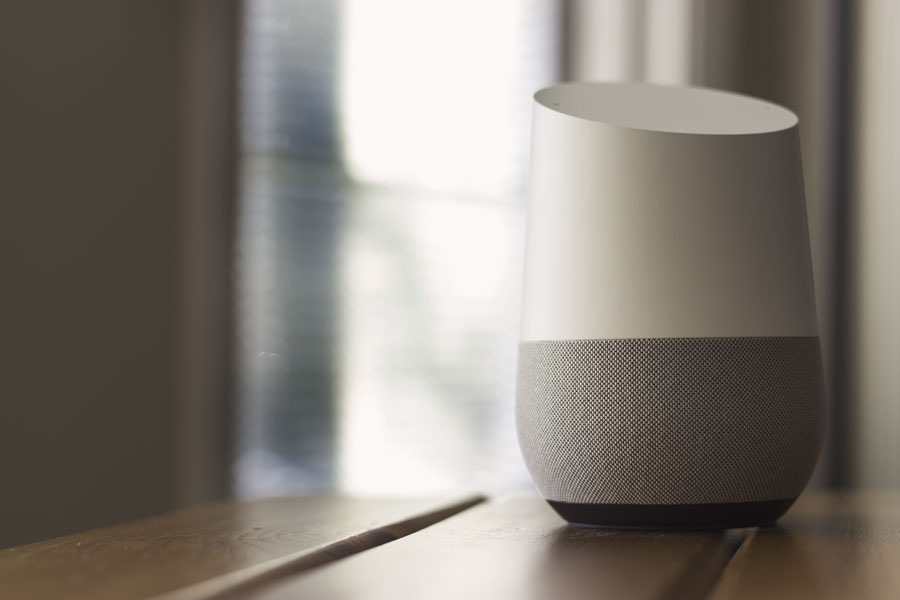
Interest in smart home speakers is heating up: New sales figures show Amazon.com Inc. falling below 50 percent of the market for the first time as competitors led by Google Inc. have continued to grab more market share.
According to new numbers from Strategy Analytics, 9.2 million smart home devices shipped in the first quarter. That’s up 278 percent over the same quarter of 2017, showing increasing consumer interest but still reflecting a small, niche market.
Amazon’s Echo led the pack, with 4 million units sold equating to 44 percent share, down from 82 percent a year ago, but twice as many units still sold. The standout in the stats is Google Home, which sold 2.4 million units in the quarter for a 26.5 percent market share, double its market share from a year ago but more importantly a 709 percent increase in unit sales.
Beyond the top two, no maker managed to break a 10 percent share of the market. Chinese firms Alibaba Group Holding Ltd. and Xiaomi Inc. sold 700,000 and 200,000 units, respectively.
The one disappointing and surprising figure on the list was sales of Apple Inc.’s HomePod smart speaker, which came in at only 600,000 units for a 6 percent market share. Apple apologists note, correctly, that the speaker only went on sale Feb. 9 and hence did not have a full quarter of sales in which it can be compared to others.
Still, this is a company that has fanboys lining up for just about every new product it releases. The fact that its sales came in at such a low number indicates a lack of interest for the product except among the most diehard of Apple fans.
The overall growth in the market was seen as a positive, with David Mercer, vice president at Strategy Analytics, saying in a statement that the growth “confirms our view that this new market is far more than just a flash in the pan.”
“Today’s smart speakers are by no means the finished article but they have captured the consumer imagination and we will see rapid evolution in design, functionality and associated use cases over the coming years,” he added. “We are clearly heading toward a time in the not-too-distant future when voice becomes a standard mode of technology interaction alongside established approaches like keyboard, mouse and touchscreen.”
Support our mission to keep content open and free by engaging with theCUBE community. Join theCUBE’s Alumni Trust Network, where technology leaders connect, share intelligence and create opportunities.
Founded by tech visionaries John Furrier and Dave Vellante, SiliconANGLE Media has built a dynamic ecosystem of industry-leading digital media brands that reach 15+ million elite tech professionals. Our new proprietary theCUBE AI Video Cloud is breaking ground in audience interaction, leveraging theCUBEai.com neural network to help technology companies make data-driven decisions and stay at the forefront of industry conversations.





