 INFRA
INFRA
INFRA
INFRA







INFRA

What ever happened to OpenStack, the open-source software platform for cloud computing? It’s fully alive, actually. As for its wellness and prospects for the future, that depends on how one sees the glass — half full, half empty, or brimming over with public-cloud complexity.
This year’s OpenStack show was not the most hotly anticipated conference among Silicon Valley techies and analysts, according to Stu Miniman (@stu), host of theCUBE, SiliconANGLE Media’s mobile livestreaming studio.
“When it comes to this one, they’re like, ‘Why are you going to the OpenStack show? What’s going on there? Hasn’t that been replaced by everything else?'” Miniman said.
From one angle it may appear that it has been replaced — by public cloud, containers (a virtualized method for running distributed applications), and open-source container orchestration management platform Kubernetes. The bright side for OpenStack is that nothing ever dies in technology; it’s all additive, and OpenStack, containers and Kubernetes might make a palatable sandwich for some businesses, according to Miniman.
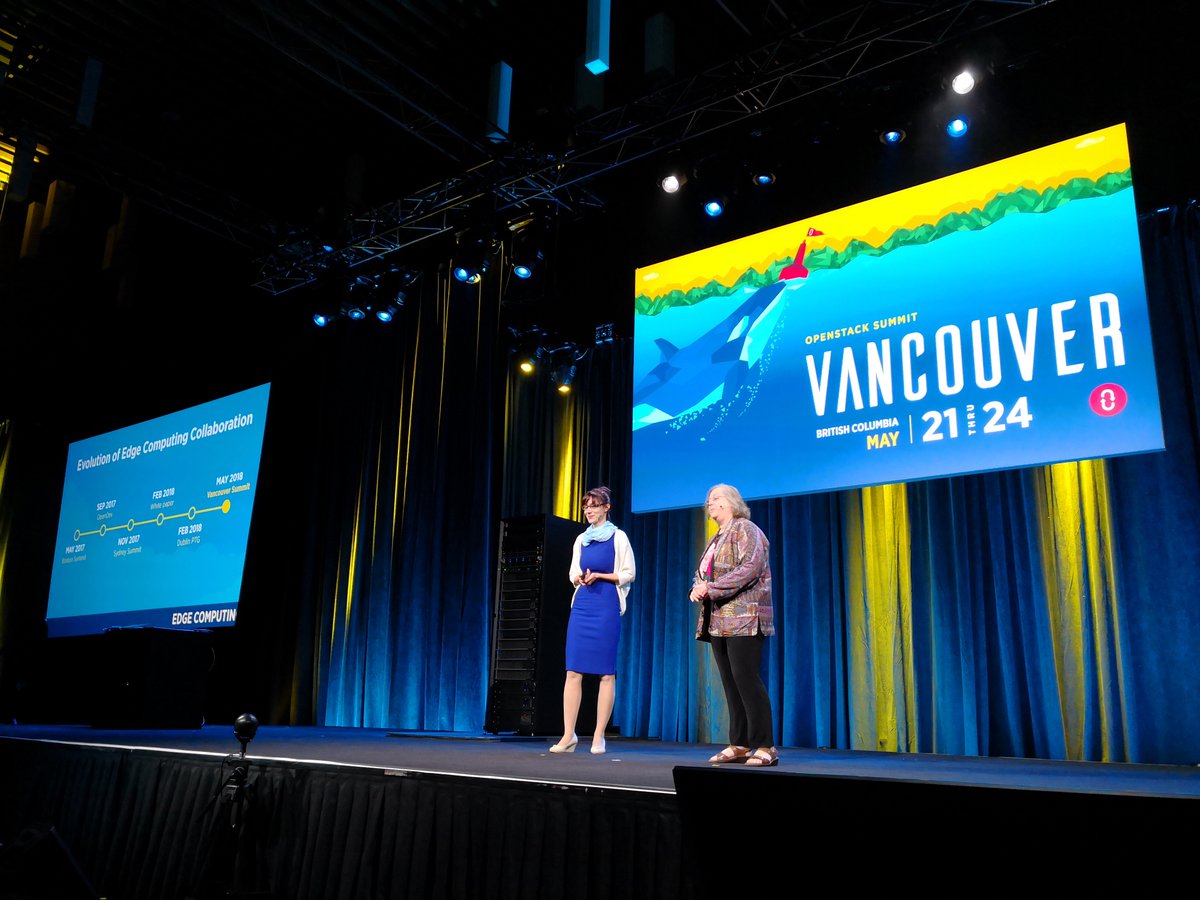
Miniman and guest host John Troyer (@jtroyer, left), chief reckoner at TechReckoning, met up at OpenStack Summit in Vancouver, British Columbia, Canada, to discuss how OpenStack mixes with containers and the complex beast that public cloud has become.
The predictable gripe about OpenStack is that the parts and labor involved in setting it up and running make it a fuddy-duddy way to go. However, the notion that public cloud is the automatic, undisputed couch potato’s choice is not as obvious as it was two years ago, Miniman pointed out.
“It is actually more complicated to buy … a server equivalent in the public cloud than it is if I go to the website and have something that’s shipped to my data center,” he said.
True, OpenStack is not an instant, microwavable infrastructure Pop-Tart. It’s still a bulky box full of odds and ends. Wisely, the OpenStack Foundation has spun them out into individually consumable projects. One is Kata Containers, announced last year; and the foundation just announced Zuul V3, the updated continuous integration and delivery platform.
“It sounds like there’s actually some very interesting aspects to it as a CI/CD system, and certainly it uses stuff like [Red Hat] Ansible [software that automates software provisioning, configuration management, and application deployment],” Troyer said.
Meanwhile, ecosystem assists are coming aboard to further reduce adoption pains. Ubuntu — an open-source operating system and Linux distribution — claims that it is “going to make both OpenStack and containers simpler, faster, quicker and cheaper,” Miniman concluded.
Watch the complete video interview below, and be sure to check out more of SiliconANGLE’s and theCUBE’s coverage of OpenStack Summit.
Support our mission to keep content open and free by engaging with theCUBE community. Join theCUBE’s Alumni Trust Network, where technology leaders connect, share intelligence and create opportunities.
Founded by tech visionaries John Furrier and Dave Vellante, SiliconANGLE Media has built a dynamic ecosystem of industry-leading digital media brands that reach 15+ million elite tech professionals. Our new proprietary theCUBE AI Video Cloud is breaking ground in audience interaction, leveraging theCUBEai.com neural network to help technology companies make data-driven decisions and stay at the forefront of industry conversations.





