 EMERGING TECH
EMERGING TECH
EMERGING TECH






EMERGING TECH

Nvidia Chief Executive Jensen Huang today introduced Jetson Xavier, a new artificial intelligence chip developed with robots and drones in mind.
The system-on-chip, debuted at the Computex conference in Taiwan, is touted as capable of punching well above its weight. According to Nvidia, a single Jetson Xavier provides the same amount of computing power as a “$10,000 workstation” while consuming about half as much electricity as a typical light bulb.
In more specific terms, the chip can run 30 trillion operations per second with a power envelope of just 30 watts. This performance is facilitated by the fact that the Jetson Xavier includes no fewer than six different kinds of chips with some 9 billion transistors among them.
The system comprises an eight-core ARM64 central processing unit, a Volta Tensor Core graphics accelerator and several specialized AI modules. Those last in turn include a pair of NVDL-series deep learning chips, plus three different kinds of processors for ingesting visual information such a video from robot’s cameras. Having a varied mix of silicon should allow Jetson Xavier to handle a wide range of computing tasks.
This kind of versatility is a important for robotics applications given the large variety of operations something like, say, a warehouse robot must perform to navigate its surroundings. Autonomous machines often also have to carry out these kinds of calculations concurrently. With Jetson Xavier, Nvidia claims that it’s possible to run dozens of algorithms at the same time.
The company debuted the system alongside a development toolkit called Isaac. The bundle has three components, most notably a simulator that will let robot makers test and train the algorithms they build for Jetson Xavier in a virtual environment.
The two other tool sets included in Isaac serve a similar purpose. One is a collection of libraries that can help developers optimize the performance of their AI models, while the other is a set of programming interfaces for managing a robot’s sensors.
Nvidia will offer Jetson Xavier and Isaac together as part of a $1,299 development kit set to become available in August. The company said that the system can power robotics systems in a wide range of industries including retail, logistics and architecture. Nvidia even sees Jetson Xavier being employed for certain nonrobotics use cases such as medical devices.
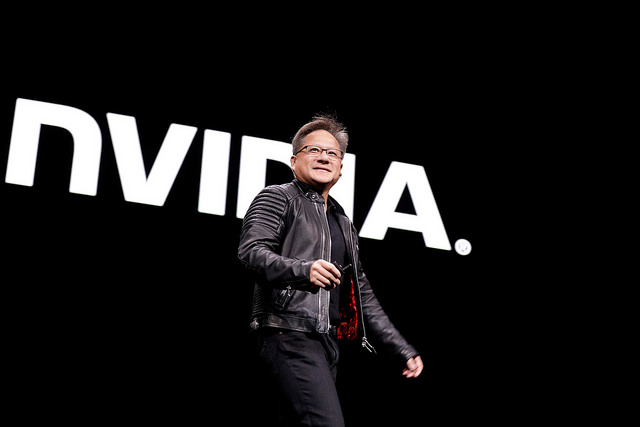
Huang (pictured) said in a statement. “AI, in combination with sensors and actuators, will be the brain of a new generation of autonomous machines,” Huang (pictured) said in a statement. “Someday, there will be billions of intelligent machines in manufacturing, home delivery, warehouse logistics and much more.”
Support our mission to keep content open and free by engaging with theCUBE community. Join theCUBE’s Alumni Trust Network, where technology leaders connect, share intelligence and create opportunities.
Founded by tech visionaries John Furrier and Dave Vellante, SiliconANGLE Media has built a dynamic ecosystem of industry-leading digital media brands that reach 15+ million elite tech professionals. Our new proprietary theCUBE AI Video Cloud is breaking ground in audience interaction, leveraging theCUBEai.com neural network to help technology companies make data-driven decisions and stay at the forefront of industry conversations.





