 CUBE EVENT COVERAGE
CUBE EVENT COVERAGE
CUBE EVENT COVERAGE







CUBE EVENT COVERAGE

Digital transformation is a clunky term for tech-enabled, data-driven business. The bulky box full of software and strategies needed to achieve it can be a confusing mess to sort through. When is someone going to wrap it all into one product? Robotic process automation technology comes close to doing so, according to some.
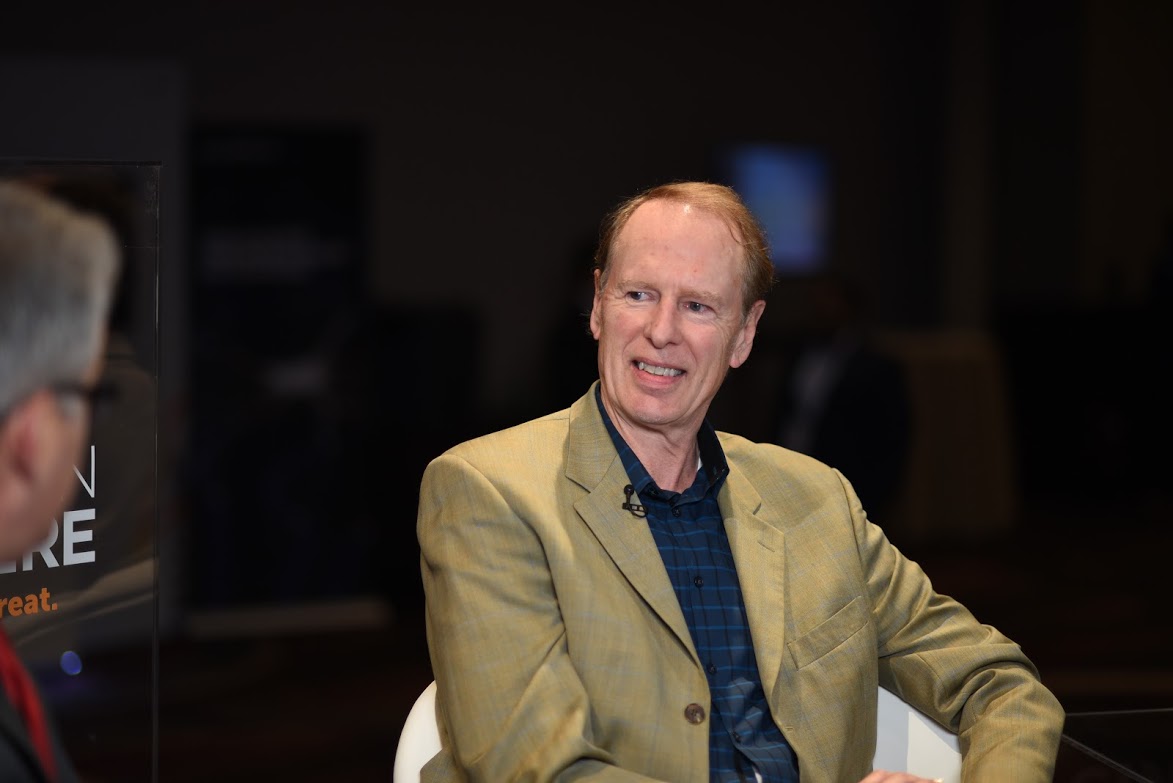
Despite the explosion of tools on the market geared for digital transformation, or DX, most companies aren’t meeting their DX goals, according to Craig Le Clair (pictured), vice president and principal analyst at Forrester Research Inc. Only about 11 percent of companies are making measurable progress, according to Forrester’s surveys. Robotic process automation — which allows the company to build bots without changing back-end systems — could be the magic elixir that energizes their projects.
“What we’re talking to in a call center environment is a chat bot,” Le Clair said. “They’re not doing a very good job of it in my view.” RPA builds better bots that perform tasks on behalf of humans.
Le Clair spoke with Jeff Frick (@JeffFrick), host of theCUBE, SiliconANGLE Media’s mobile livestreaming studio, during the Imagine 2018 event in New York City. They discussed the boons and potential blows that RPA could deliver the workforce. (* Disclosure below.)
RPAs can be a seductive shortcut to DX for companies fed up with broad roadmaps and strategies. “There’s no data integration; there’s no APIs [application program interfaces] involved; there’s no big transformation consultants flying in; there’s not even a requirements document, because you’re going to start with recording the actual human activity at a work station,” Le Clair stated.
RPA is not artificial intelligence — meaning it does not feature an autonomous learning capability. They automatically perform tasks so that humans don’t have to. This is a godsend up to a point, but it is not a panacea for a system that requires a thorough overhaul, Le Clair explained. “There’s some dangers with the seduction of building bots against core systems,” he added.
The trending question about worker replacement hovers over RPA discussions. Le Clair acknowledged that there is cause for concern for some. “What RPA attacks are the 60 million that are in cubicles today in the U.S.,” Le Clair stated, adding that most of those workers do not hold college degrees.
“So they’re not going to be thrown out of the cubicles and become data scientists over night,” he said. The exodus may find work in the growing gig economy. Ultimately, he predicts we’ll see strong “automation dividends” in terms of productivity through RPA within the next few years.
Watch the complete video interview below, and be sure to check out more of SiliconANGLE’s and theCUBE’s coverage of Imagine 2018. (* Disclosure: TheCUBE is a paid media partner for Imagine 2018. Neither Automation Anywhere Inc., the event sponsor, nor other sponsors have editorial control over content on theCUBE or SiliconANGLE.)
Support our mission to keep content open and free by engaging with theCUBE community. Join theCUBE’s Alumni Trust Network, where technology leaders connect, share intelligence and create opportunities.
Founded by tech visionaries John Furrier and Dave Vellante, SiliconANGLE Media has built a dynamic ecosystem of industry-leading digital media brands that reach 15+ million elite tech professionals. Our new proprietary theCUBE AI Video Cloud is breaking ground in audience interaction, leveraging theCUBEai.com neural network to help technology companies make data-driven decisions and stay at the forefront of industry conversations.





