 APPS
APPS
APPS
APPS






APPS

Google Inc. today announced that it will stop support for inline installations of Chrome extensions from outside websites as part of an ongoing push to improve the security of its market-leading web browser.
The announcement, interestingly described as bringing “transparency” to Chrome extensions, means users can directly install extensions from the Chrome Web Store only when users “can view all information about an extension’s functionality prior to installing.”
The new restrictions are being rolled out in three stages. The first stage is an immediate ban on the ability to install new extensions from third-party sites by blocking access to the chrome.webstore.install function. That’s a call that all extensions must make to be installed. Users will be redirected to the Chrome Web Store.
The second stage, to be implemented starting Sept. 12, extends the ban to existing Chrome extensions on outside websites using the same block-and-redirect function. The final stage, coming in early December, will see the inline installation API removed from Chrome 71 altogether.
“It’s crucial that users have robust information about extensions prior to installation, so that they fully understand how their browsing experience will be impacted,” Extensions Platform Product Manager James Wagner said in a blog post. “We’re confident this change will improve transparency for all users about their extension choices in Chrome.”
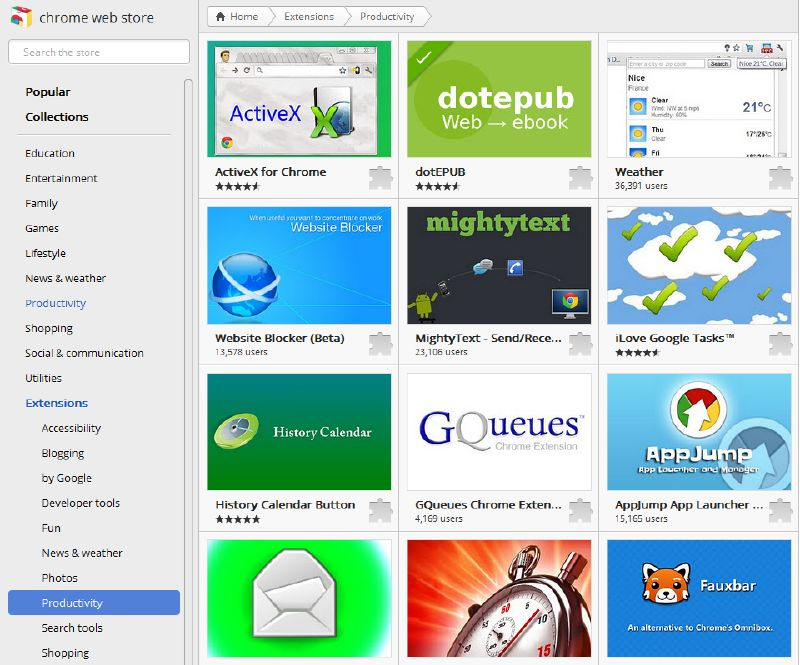
Although Wagner noted that the decision was motivated by complaints from users who had installed problematic Chrome extensions from third-party sites, what he doesn’t mention is that on occasion, it’s the Chrome Web Store itself, like its sibling Google Play, that’s often the distribution point for dubious extensions.
In April, AdGuard Software Ltd. researcher Andrey Meshkov revealed that there were numerous fake ad blocking Chrome extensions in the Chrome Web Store that used code stolen from legitimate ad blocking services bundled with additional malicious code. Although the code among the different fake ad blockers varied, they all had a similar theme in that they all facilitated data theft.
Google’s blocking of malicious extensions from third-party sites makes sense for users, but in security, the company also needs to look in its own backyard as well.
Support our mission to keep content open and free by engaging with theCUBE community. Join theCUBE’s Alumni Trust Network, where technology leaders connect, share intelligence and create opportunities.
Founded by tech visionaries John Furrier and Dave Vellante, SiliconANGLE Media has built a dynamic ecosystem of industry-leading digital media brands that reach 15+ million elite tech professionals. Our new proprietary theCUBE AI Video Cloud is breaking ground in audience interaction, leveraging theCUBEai.com neural network to help technology companies make data-driven decisions and stay at the forefront of industry conversations.





