 CLOUD
CLOUD
CLOUD
CLOUD







CLOUD

Is any enterprise really in favor of vendor lock-in? Didn’t think so, and Docker Inc. doesn’t think so either.
The company went out of its way at the opening day of DockerCon on Wednesday to address lock-in by improving Kubernetes container-orchestration system functionality across multiple cloud platforms. Docker Enterprise Edition now centralizes management across Amazon EKS, Microsoft Azure AKS and Google GKE.
“That’s big because … what Docker has done is connect its platform with the native orchestration platforms of the three different clouds so that you can run on-premises managed via Docker or you can connect into the cloud’s own cluster orchestration,” said John Troyer (@jtroyer), chief reckoner at TechReckoning and guest host of theCUBE, SiliconANGLE Media’s mobile livestreaming studio, during the kickoff analysis at the DockerCon event in San Francisco. “If they can deliver … that’s actually a very nice feature to avoid lock-in.”
Troyer was joined at the conference by co-host Lisa Martin (@LuccaZara), and they discussed Docker’s decision to expand its Windows capabilities and the importance of the developer community in the container world. (* Disclosure below.)
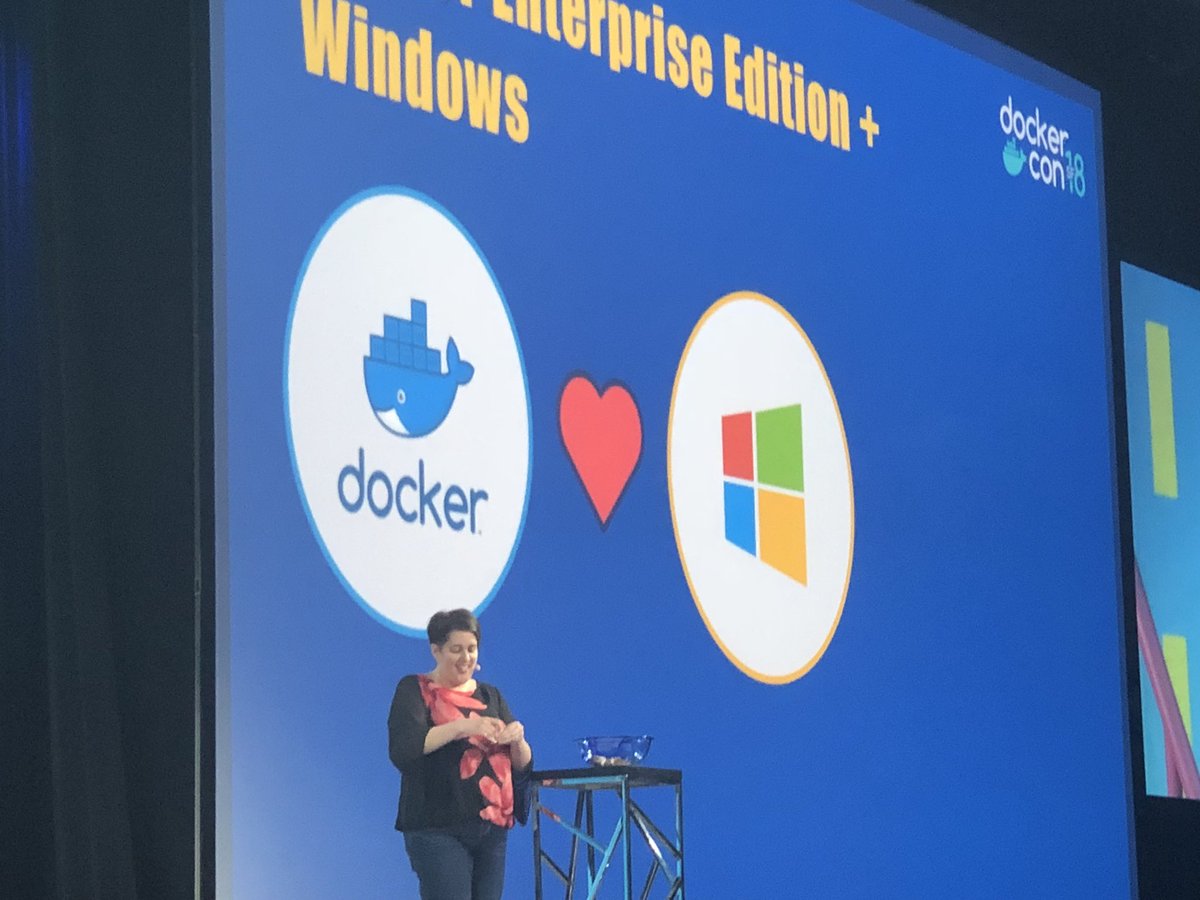
Docker also announced on Wednesday that Enterprise Edition would include enhanced interoperability with Windows Server containers. The move included an additional piece of news that demand for Windows containers among the Docker customer base continues to grow, with over 50 percent using Windows to modernize legacy applications.
“[Enterprises] don’t have the luxury of time to rip and replace old enterprise applications and put them on a container or a microservices-based architecture,” Martin said. “They’ve got to be able to leverage something like containers to maximize time-to-value and deliver differentiated services.”
In addition to the major announcements, Docker executives made a point during the keynote sessions to emphasize the importance of developer usability in the container ecosystem. “Developer experience is really big for Docker; that’s the way they started and that’s what they’re still counting on,” said Troyer, who noted that over half of the DockerCon attendees started using containers in only the last year. “That means this whole journey is just starting. There’s a lot of white space in the container world.”
Watch the complete video interview below, and be sure to check out more of SiliconANGLE’s and theCUBE’s coverage of the DockerCon event. (* Disclosure: Docker Inc. sponsored this segment of theCUBE. Neither Docker nor other sponsors have editorial control over content on theCUBE or SiliconANGLE.)
Support our mission to keep content open and free by engaging with theCUBE community. Join theCUBE’s Alumni Trust Network, where technology leaders connect, share intelligence and create opportunities.
Founded by tech visionaries John Furrier and Dave Vellante, SiliconANGLE Media has built a dynamic ecosystem of industry-leading digital media brands that reach 15+ million elite tech professionals. Our new proprietary theCUBE AI Video Cloud is breaking ground in audience interaction, leveraging theCUBEai.com neural network to help technology companies make data-driven decisions and stay at the forefront of industry conversations.





