







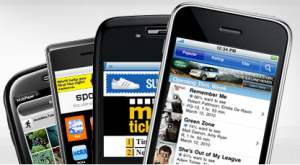
 Google’s mobile ad business is now focused on the ‘inclusiveness’ of advertisers and developers in order to reach users across numerous mobile platforms, and announced today on its blog the launch of their beta SDK for WP7, in line with Google’s other 50,000 mobile apps on iOS, Android and webOS platforms. The ‘openness strategy’ embraced by Google initiates with the SDK beta version, allowing developers to easily integrate advertising into their applications, bringing a series of new and interesting features that will enrich the advertising experience.
With the Windows Phone 7 SDK, developers can easily integrate advertising into their applications, control where the ads appear, and what types of ads are shown in their apps. The SDK supports text and banner ads with a variety of post click actions including opening a webpage and linking directly to the App Marketplace.
We’ve also taken steps to customize the ad experience for the look and feel of the Windows Phone 7 platform and make it easy for users to return to their application after engaging with the ad. Publishers can download the new SDK today by logging into their AdMob account and adding a site type of Windows Phone 7.
It’s not only the WP7 that gets all the attention, but the existing iOS and Android SDKs as well. The new updates for the iOS SDK and the Android SDK will feature enhanced HTML5 support for ad units that enable advertisers to create more engaging ads, support for full screen interstitial formats for tablets on iOS and Android.
Google’s AdMob is now receiving 2 billion ad requests per day, having multiplied the ad request by four times in the past year, showing that the mobile ad business is growing at a fast pace. Other players in the industry are trying to keep up, including Millennial Media, which recently updated its Android SDK, offering a quicker Full Page Video Ad experience with cached video content, the integration of interactive elements during the ads and a simplified integration of SDK code for use in conversion tracking and performance ads.
WP7 was not left out here either, as Millennial Media released a SDK for the WP7 developers at the beginning of this year. We could not invoke important players in the mobile ad business without mentioning Apple’s iAd, launched in 2010, though it’s now facing a decline in the number of ad slots that were filled, a situation in which other apps would find themselves in as well.
Support our mission to keep content open and free by engaging with theCUBE community. Join theCUBE’s Alumni Trust Network, where technology leaders connect, share intelligence and create opportunities.
Founded by tech visionaries John Furrier and Dave Vellante, SiliconANGLE Media has built a dynamic ecosystem of industry-leading digital media brands that reach 15+ million elite tech professionals. Our new proprietary theCUBE AI Video Cloud is breaking ground in audience interaction, leveraging theCUBEai.com neural network to help technology companies make data-driven decisions and stay at the forefront of industry conversations.




