 CLOUD
CLOUD
CLOUD
CLOUD







CLOUD

The mass adoption of software-defined storage and multicloud storage has created an increased need for protected data and simplified management in the enterprise. In an effort to streamline and secure information technology infrastructure operations, businesses are looking at new ways to consolidate primary and secondary workloads on one unified platform.
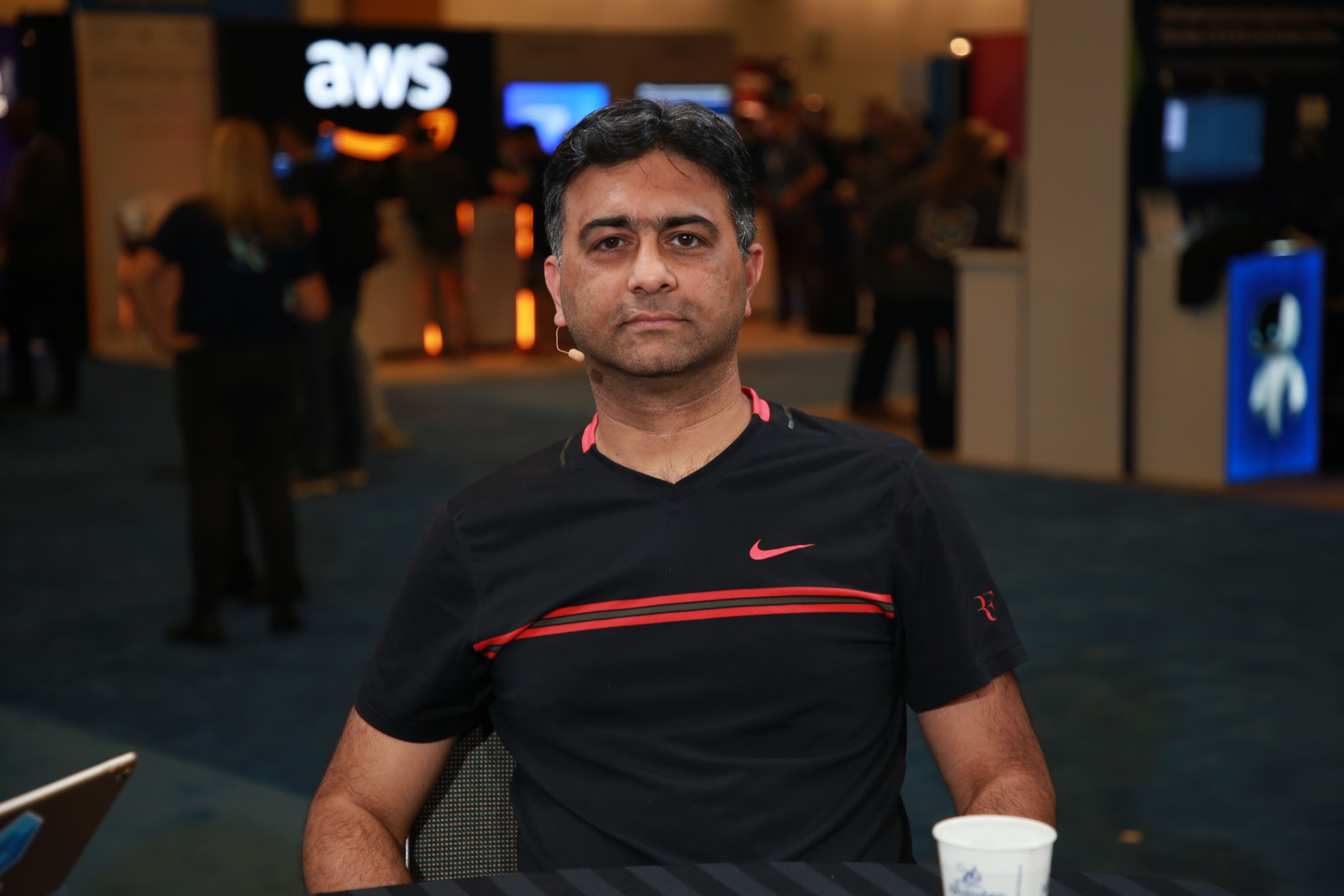
“People are looking to bring that cloud-like mentality into on-prem data centers,” said Avinash Lakshman (pictured), founder and chief executive officer of Hedvig Inc. “We are executing on the vision we had from day one, which is to be the infrastructure for both primary and secondary storage.”
Lakshman spoke with Lisa Martin (@LuccaZara), host of theCUBE, SiliconANGLE Media’s mobile livestreaming studio, and guest host John Troyer (@jtroyer), chief reckoner at TechReckoning, during the DockerCon event in San Francisco. They discussed how rapid enterprise changes around data and application processes necessitate a new kind of software-defined storage and how Hedvig is supporting customers through their continued modernizations.
Hedvig’s data fabric is designed to unite disparate cloud environments through multicloud transparency that enables instant compatibility between hybrid platforms. “From a data management infrastructure layer you could have one fabric … [and] move your applications willy-nilly, because you will be programming against an [application programming interface] that we provide,” Lakshman said.
As needs for greater efficiency drive the market, Lakshman warns that fast development can mean data corruption that leaves businesses vulnerable to security risks. Hedvig aims to solve for this issue through protected data duplication.
“You want to have a feature that even lets you protect your data from yourself … the capability of providing managed snapshots where you can periodically keep taking snapshots of your data, so you can revert to any. … That’s how we look at it,” he said.
The streamlined training and management of consolidated primary and secondary workloads is a win in terms of cost-efficiency, and Hedvig’s service also provides a compliance benefit through the process distinctions Lakshman has termed “declarative data sovereignty.”
“We live in a global economy, but the data governance laws are all local. People want certain … data not to span certain geographic regions. … And you should be able to do that by just saying for this app … there are some policies you assign to it that policy dictate what regions that data will live in,” he said.
Moving into the future, Lakshman is looking forward to the next disruption in cloud. “This a problem that needs solving, and it needs solving from the ground up … in a very different way. … True innovation comes from people from the outside. … You can’t disrupt yourself, right?” he concluded.
Watch the complete video interview below, and be sure to check out more of SiliconANGLE’s and theCUBE’s coverage of the DockerCon event.
Support our mission to keep content open and free by engaging with theCUBE community. Join theCUBE’s Alumni Trust Network, where technology leaders connect, share intelligence and create opportunities.
Founded by tech visionaries John Furrier and Dave Vellante, SiliconANGLE Media has built a dynamic ecosystem of industry-leading digital media brands that reach 15+ million elite tech professionals. Our new proprietary theCUBE AI Video Cloud is breaking ground in audience interaction, leveraging theCUBEai.com neural network to help technology companies make data-driven decisions and stay at the forefront of industry conversations.





