 CLOUD
CLOUD
CLOUD
CLOUD







CLOUD

The enterprise world has online advertising to thank for MongoDB Inc. The open-source database platform provider got its start in 2007 when the team behind DoubleClick grew frustrated with the woeful ability of databases to serve 400,000 ads per second.
MongoDB’s founders built a general purpose database platform that turned out to be able to handle a lot more than pitches for a new lawn mower. As the company has grown to over 6,600 customers, it has moved into becoming an integral part of the network.
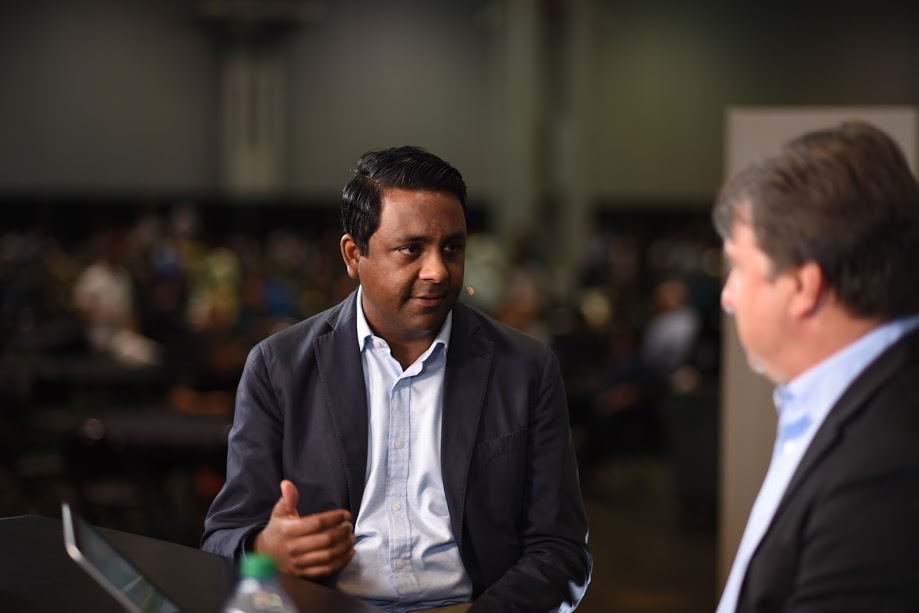
“It’s no longer choosing Mongo because it’s a great product,” said Sahir Azam (pictured), senior vice president for cloud products and go-to-market at MongoDB. “It’s choosing Mongo because it’s a company they trust to run a mission-critical application and scale it as a partner. That’s been the biggest dynamic that’s elevated our standing in many of these accounts.”
Azam spoke with John Furrier (@furrier) and Jeff Frick (@JeffFrick), co-hosts of theCUBE, SiliconANGLE Media’s mobile livestreaming studio, during the AWS Summit in NYC. They discussed growing adoption of the firm’s core database product, the appeal of its technology to developers, and a trend toward legacy app modernization. (* Disclosure below.)
MongoDB’s Atlas provides a database for applications as a fully-automated cloud service. The globally distributed database offers a free tier for small environments, but it is starting to catch on with large enterprise players as well.
“We’re seeing an uptick of that in enterprise, established, highly regulated accounts as well,” Azam said.
One year ago, MongoDB released Stitch, a backend-as-a-service product designed to help streamline the application development process. “At the macro level, we’re seeing the constant trend of developers wanting to be more productive and consume higher levels of abstraction so they have to write less code,” Azam explained. “It’s always been our mission as a company to empower developers and build great, amazing apps.”
The firm is also seeing an interesting trend developing in how its tools are being used. The need to modernize legacy applications is now driving a significant part of its business.
“We’re seeing a shift in application architecture,” Azam said. “Instead of the shiny new IoT apps or web apps or mobile apps that MongoDB has always been strong for, we’re now seeing 30 percent of our business come from legacy application modernization to microservices.”
Watch the complete video interview below, and be sure to check out more of SiliconANGLE’s and theCUBE’s coverage of the AWS Summit in NYC. (* Disclosure: MongoDB Inc. sponsored this segment of theCUBE. Neither MongoDB nor other sponsors have editorial control over content on theCUBE or SiliconANGLE.)
Support our mission to keep content open and free by engaging with theCUBE community. Join theCUBE’s Alumni Trust Network, where technology leaders connect, share intelligence and create opportunities.
Founded by tech visionaries John Furrier and Dave Vellante, SiliconANGLE Media has built a dynamic ecosystem of industry-leading digital media brands that reach 15+ million elite tech professionals. Our new proprietary theCUBE AI Video Cloud is breaking ground in audience interaction, leveraging theCUBEai.com neural network to help technology companies make data-driven decisions and stay at the forefront of industry conversations.





