 BIG DATA
BIG DATA
BIG DATA






BIG DATA

Tableau Software Inc. today launched a new version of its data visualization platform that expands what companies can do with their analytics dashboards.
The biggest enhancement in the update is Extensions API, a programming interface for integrating with external software systems. Analytics teams can now augment a dashboard with machine learning models and other components from the tools they use alongside Tableau in data projects.
The provider offers several readymade extensions on launch. The lineup includes integrations with the DataRobot machine learning platform, the popular Solver analytics toolkit for Excel and a couple of natural language processing tools. Companies that need more specialized features can create own custom extensions, for example to make data from a custom-built business application available in Tableau.
Extensions API is rolling out alongside a feature the provider calls Spatial Sync. The capability has the same basic goal of making data visualizations more useful, but it focuses on a narrower set of use cases.
Spatial Sync provides the ability to integrate different data sources based on location attributes. An online retailer, for example, could combine a list of the neighborhoods in a city with internal delivery records to visualize demand across different areas. Geospatial analytics is as an increasingly important part of many companies’ business intelligence projects, a trend reflected by the large number of venture-backed startups competing in this segment.
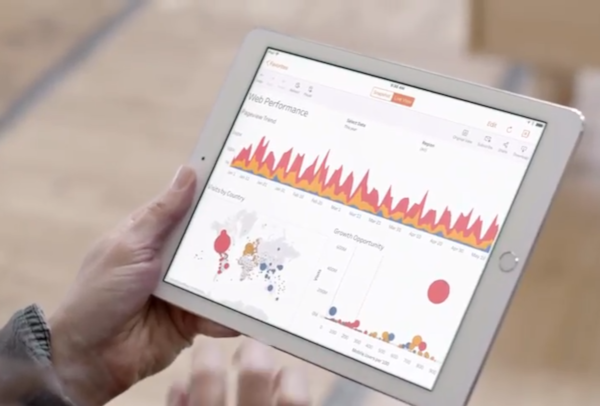
Tableau’s new update addresses another important trend as well: enterprise mobility. The company has added a feature that can automatically adjust data visualizations to fit a user’s phone or tablet when they’re viewing a dashboard on-the-go.
The improvements to the Tableau frontend are joined by an enhanced administrator console. Information technology departments have access to a new browser-based interface for managing Tableau Server deployments, as well as a revamped update mechanism. According to Tableau, companies can now patch certain types of deployments without causing any downtime that would interrupt users’ work.
Support our mission to keep content open and free by engaging with theCUBE community. Join theCUBE’s Alumni Trust Network, where technology leaders connect, share intelligence and create opportunities.
Founded by tech visionaries John Furrier and Dave Vellante, SiliconANGLE Media has built a dynamic ecosystem of industry-leading digital media brands that reach 15+ million elite tech professionals. Our new proprietary theCUBE AI Video Cloud is breaking ground in audience interaction, leveraging theCUBEai.com neural network to help technology companies make data-driven decisions and stay at the forefront of industry conversations.





