 CLOUD
CLOUD
CLOUD
CLOUD







CLOUD

What is user identity in the cloud and multicloud world? With infrastructure and applications scattered about, it could conceivably get messy and fractured. But enterprise employees increasingly demand easy experiences that mirror those in the consumer realm. New bring-your-own-identity services might make the “forgot your password?” popup a thing of the past.
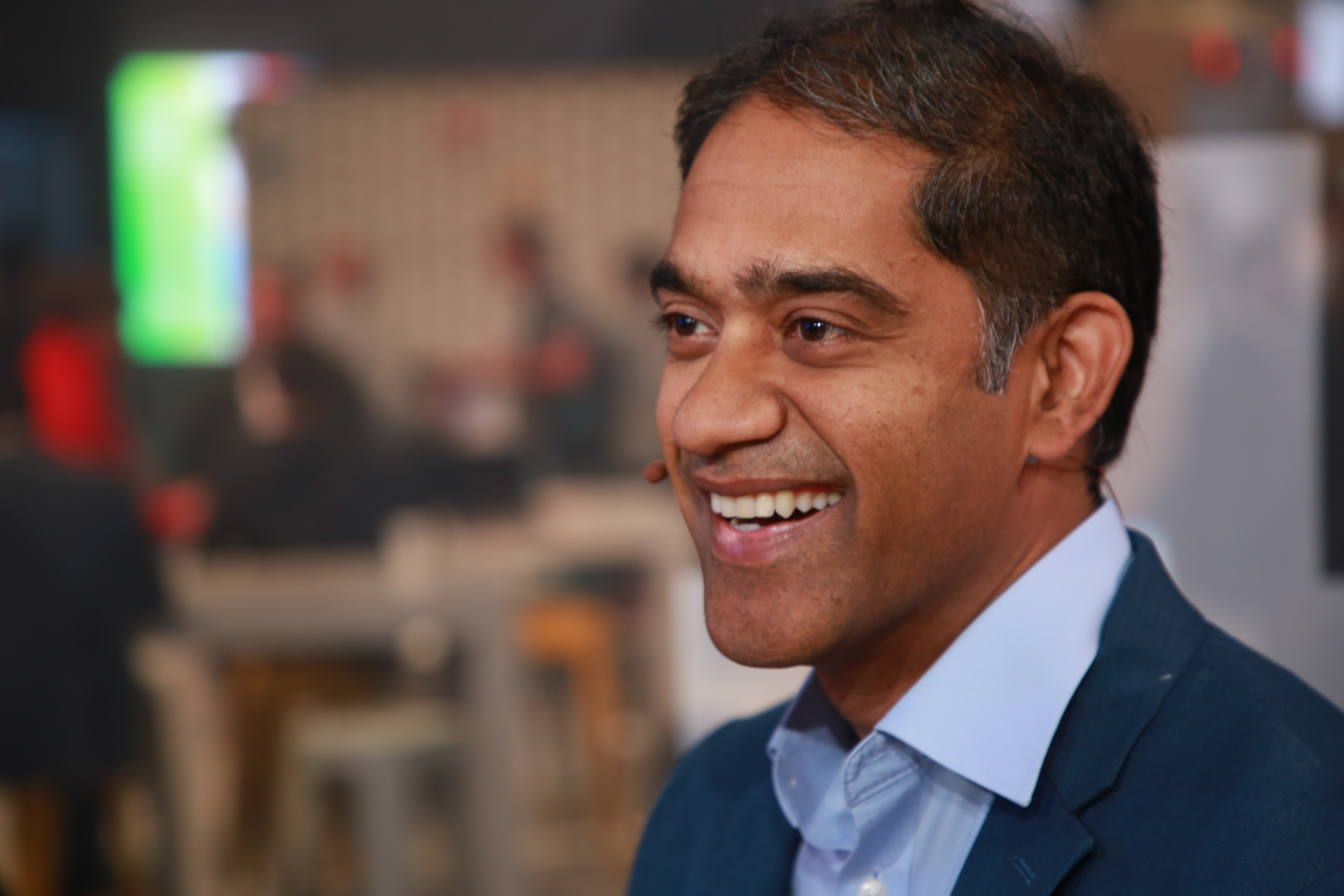
“Organizations have been trained for years to think about the corporate network as the security perimeter,” said Karthik Lakshminarayanan (pictured), director of product management at Google Cloud. With data living off-premises in the cloud, this obviously is no longer the case. To authenticate identity in the cloud, Google Identity relies on signals from users, devices, context, etc. “Context is really king now in a cloud-based world,” he added.
Lakshminarayanan spoke with John Furrier (@furrier) and Dave Vellante (@dvellante), co-hosts of theCUBE, SiliconANGLE Media’s mobile livestreaming studio, during the Google Cloud Next event in San Francisco. They discussed the evolution of identity in the cloud and Google’s simple approach to authentication. (* Disclosure below.)
Google Identity is available to customers whether they are all-in on the Google Cloud Platform or not. If not, they can simply connect it and augment it with their existing infrastructure.
“We make sure that an organization can use not just us, but whatever identity system of choice, and we interconnect through standards and [application programmer interfaces],” Lakshminarayanan said.
Google LLC invented the security keys the system uses for use in-house. “I’ve never changed my password for the two years I’ve been at Google. I use security keys,” he stated.
Google Cloud Identity is part of the bring-your-own-identity trend in user identity. “Your cell phone number, if you remember, was once tied to your provider; you change your provider, you had to get a new number. Now you have portability; you don’t think about it,” Lakshminarayanan said.
The idea of BYOI is similar: A single identity that can go everywhere with you rather than a whole bunch of passwords phasing in and out of memory.
Watch the complete video interview below, and be sure to check out more of SiliconANGLE’s and theCUBE’s coverage of the Google Cloud Next event. (* Disclosure: Google Cloud sponsored this segment of theCUBE. Neither Google nor other sponsors have editorial control over content on theCUBE or SiliconANGLE.)
Support our mission to keep content open and free by engaging with theCUBE community. Join theCUBE’s Alumni Trust Network, where technology leaders connect, share intelligence and create opportunities.
Founded by tech visionaries John Furrier and Dave Vellante, SiliconANGLE Media has built a dynamic ecosystem of industry-leading digital media brands that reach 15+ million elite tech professionals. Our new proprietary theCUBE AI Video Cloud is breaking ground in audience interaction, leveraging theCUBEai.com neural network to help technology companies make data-driven decisions and stay at the forefront of industry conversations.





