 EMERGING TECH
EMERGING TECH
EMERGING TECH







EMERGING TECH

What is Web 3.0? Ask the blockchain folks, and they might say it’s the internet of value. Others say it’s the semantic web, or the internet of intelligence, or the Metaverse of virtual and augmented reality. A comprehensive yet simple answer might determine it’s all of those things and more; bringing Web 3.0 into being requires a new interoperable, connective tissue.
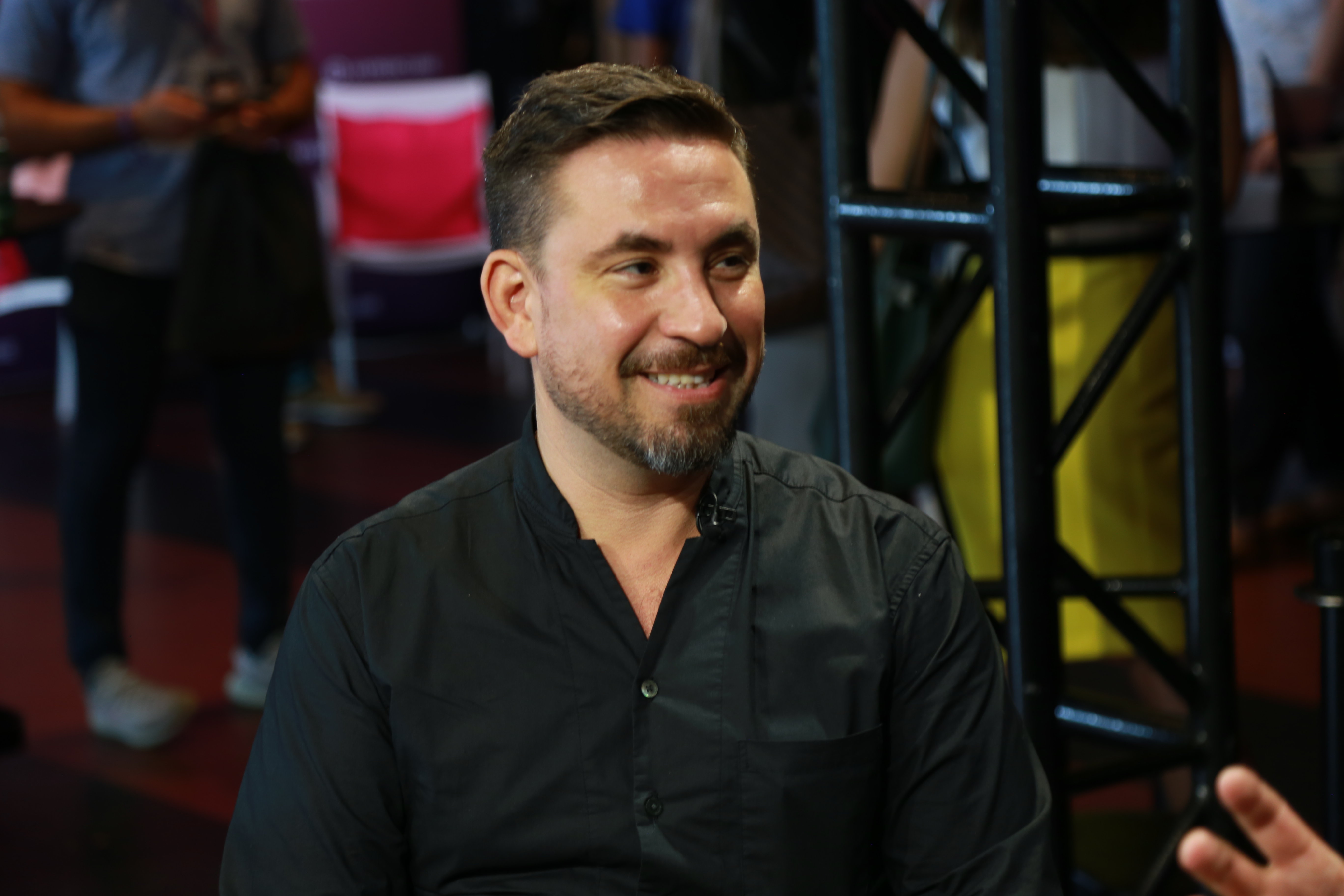
“We’re saying, ‘Guys, the future is the internet of everything, so you need a fundamental protocol to connect these things,” said Gabriel Rene (pictured), founder and executive director of the VERSES Foundation.
Rene spoke with John Furrier (@furrier), host of theCUBE, SiliconANGLE Media’s mobile livestreaming studio, during the Blockchain Futurist Conference in Toronto, Ontario. They discussed the VERSES mission and what it will take to achieve interoperability in Web 3.0.
Blockchain’s encrypted ledgers and other emerging technologies (connected devices, 5G networking, artificial intelligence) are generating plenty of hype, as well as concerns that they are cordoning themselves off on little islands when they ought to be melding together.
“We see that one of the problems with going faster is everyone going faster in different directions,” Rene said.
VERSES is working to develop and support new standards for interoperability across emerging technologies. With these new protocols in place, “then you can start to get smart factories and smart cities and smart supply chains that work interoperably globally,” Rene stated.
The next era of the web requires nothing short of a new infrastructure tier. The web’s interface is changing again, as it’s changed about about every 15 years in the past, Rene pointed out. The web-page protocol does not fit in with things like “internet of things” connected devices or virtual reality, for instance. A spatial protocol is taking shape where spaces have spatial domains, and a spatial URL and an asset ID can be created for any object, he added. Then, people, things and currencies can interoperate among them. A new class of developers will build spatial apps that are decentralized and secure, enabling a new era of development.
VERSES will launch in beta at the end of this year. It has 20 partners across 20 diverse industries (IMAX Corp. among them) signed up for pilot programs.
“We’re going wide before we go deep,” Rene concluded.
Watch the complete video interview below, and be sure to check out more of SiliconANGLE’s and theCUBE’s coverage of the Blockchain Futurist Conference.
Support our mission to keep content open and free by engaging with theCUBE community. Join theCUBE’s Alumni Trust Network, where technology leaders connect, share intelligence and create opportunities.
Founded by tech visionaries John Furrier and Dave Vellante, SiliconANGLE Media has built a dynamic ecosystem of industry-leading digital media brands that reach 15+ million elite tech professionals. Our new proprietary theCUBE AI Video Cloud is breaking ground in audience interaction, leveraging theCUBEai.com neural network to help technology companies make data-driven decisions and stay at the forefront of industry conversations.





