 EMERGING TECH
EMERGING TECH
EMERGING TECH






EMERGING TECH

Sales of virtual reality headsets plummeted in the second quarter, but analysts are spinning the numbers as a temporary setback.
The numbers, published Wednesday by International Data Corp., showed that sales of VR headsets dropped almost 34 percent in the second quarter from a year ago.
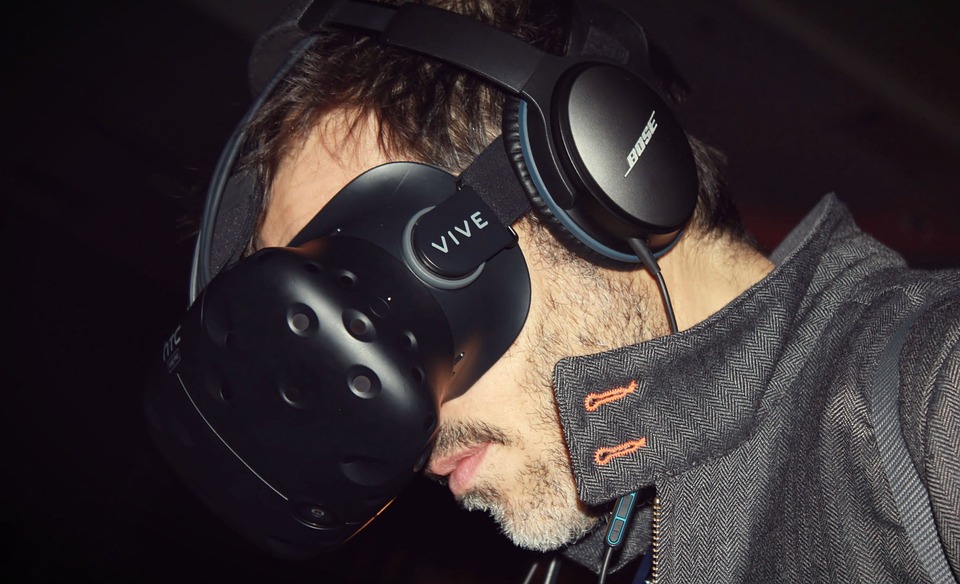
Leading the plunge was a massive drop in the sales of screenless headsets, that is, VR headsets that rely on a phone to be inserted into them to function. They dropped from 1 million headsets a year ago to 409,000 in the second quarter. Close behind was a drop in tethered headsets such as the Oculus Rift, HTC Vive and Sony PlayStation VR which declined more than 37 percent.
Although it didn’t publicly provide total market numbers, IDC said category leader HTC Corp. shipped close to 111,000 headsets in the quarter, while Oculus shipped 102,000 and Sony 93,000.
The main bright spot in the market was a surge in growth for standalone headsets, or VR headsets with built-in screens that don’t need a mobile phone or tethered computer to operate. Sales jumped 418 percent, led by the shipment of 212,000 Oculus Go/Xiaomi Mi VR units.
While consumer interest was tanking, sales of VR headsets for commercial use, now account for 20 percent of all VR headset sales, up from 14 percent a year ago.
“One of the major issues with the VR market is that consumers still find it difficult to try a VR headset,” IDC analyst Jitesh Ubrani said. “This is where the commercial market has an opportunity to shine. HTC’s recent partnership with Dave & Busters or Oculus’ work with schools around the world stand to play an important role in educating and enticing consumers to use VR.”
The overall decline would appear to indicate that the hype bubble surround VR may have finally burst. But IDC argued that much of the decline was the result of screenless viewers previously bringing a lot of attention to VR, and that the numbers were artificially propped up by brands such as Samsung, Alcatel and Google that bundled the headsets with smartphones.
Although that may account for a precipitous drop in screenless headsets, it doesn’t account for the drop in tethered headsets, the premium models that are supposed to highlight the best of VR.
On the consumer side, the growth in standalone headsets is a positive, but they’re still not selling in huge numbers and they’ve not come close to making up for the decline in screenless headsets. Even if they’re more convenient, the standalone headsets offer a similar experience to the screenless headset,s including the same limited Oculus experience seen in headsets such as the Samsung Gear VR.
Support our mission to keep content open and free by engaging with theCUBE community. Join theCUBE’s Alumni Trust Network, where technology leaders connect, share intelligence and create opportunities.
Founded by tech visionaries John Furrier and Dave Vellante, SiliconANGLE Media has built a dynamic ecosystem of industry-leading digital media brands that reach 15+ million elite tech professionals. Our new proprietary theCUBE AI Video Cloud is breaking ground in audience interaction, leveraging theCUBEai.com neural network to help technology companies make data-driven decisions and stay at the forefront of industry conversations.





