 INFRA
INFRA
INFRA
INFRA






INFRA

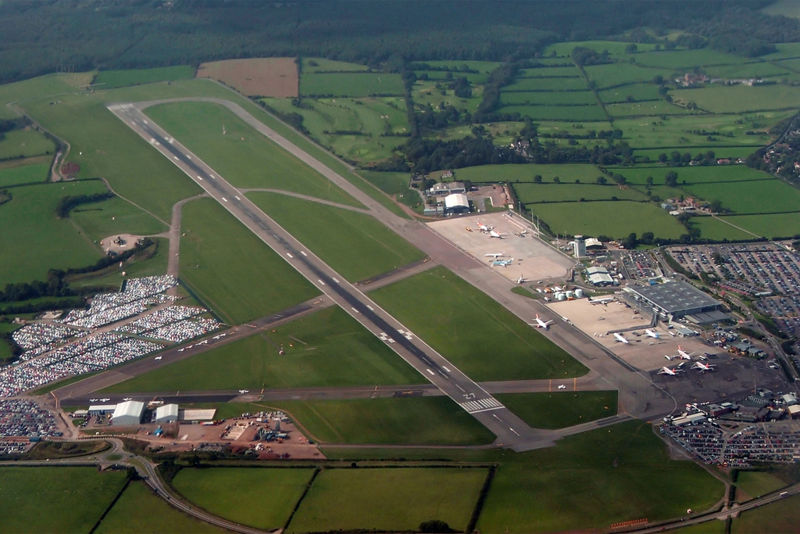
Flight information screens were taken offline for two days at the Bristol Airport in the U.K. after the network powering the screens were hijacked by ransomware.
The attack started Friday morning, taking out the entire network, although it’s not clear from reports how the ransomware got into the system and whether it affected other networked computers at the airport.
Going old school, airport workers were forced to use whiteboards and paper to advise passengers of flight information, including departure and arrival gates, scheduled times and luggage pickup points.
The outages in the network caused delays in baggage handling, with some customers complaining that they have to wait longer than an hour for their bags, suggesting that the same network for bag management may also have been affected.
https://twitter.com/julieanne_mc/status/1040543360342208513?ref_src=twsrc%5Etfw%7Ctwcamp%5Etweetembed%7Ctwterm%5E1040543360342208513%7Ctwgr%5E373939313b636f6e74726f6c&ref_url=https%3A%2F%2Fwww.zdnet.com%2Farticle%2Fransomware-attack-blacks-out-screens-at-bristol-airport%2F
The airport initially described the issue as “technical problems” but later admitted it was dealing with a ransomware infection, according to ZDNet. It said it doesn’t intend to pay the attacker’s ransom demand and instead opted to take down its systems while it serviced affected computers. Services were mostly restored as of lunchtime Sunday.
This isn’t the first time an airport has had issues with ransomware and it likely won’t be the last. The infamous Petya attack in 2017 affected a number of airports in Europe, while an attack against the City of Atlanta earlier this year saw authorities disable Wi-Fi at local airports in an attempt to limit the spread of the attack.
Airports are often at the forefront of technological advances, but with increased connectivity comes increased risks.
Support our mission to keep content open and free by engaging with theCUBE community. Join theCUBE’s Alumni Trust Network, where technology leaders connect, share intelligence and create opportunities.
Founded by tech visionaries John Furrier and Dave Vellante, SiliconANGLE Media has built a dynamic ecosystem of industry-leading digital media brands that reach 15+ million elite tech professionals. Our new proprietary theCUBE AI Video Cloud is breaking ground in audience interaction, leveraging theCUBEai.com neural network to help technology companies make data-driven decisions and stay at the forefront of industry conversations.






