 BIG DATA
BIG DATA
BIG DATA







BIG DATA

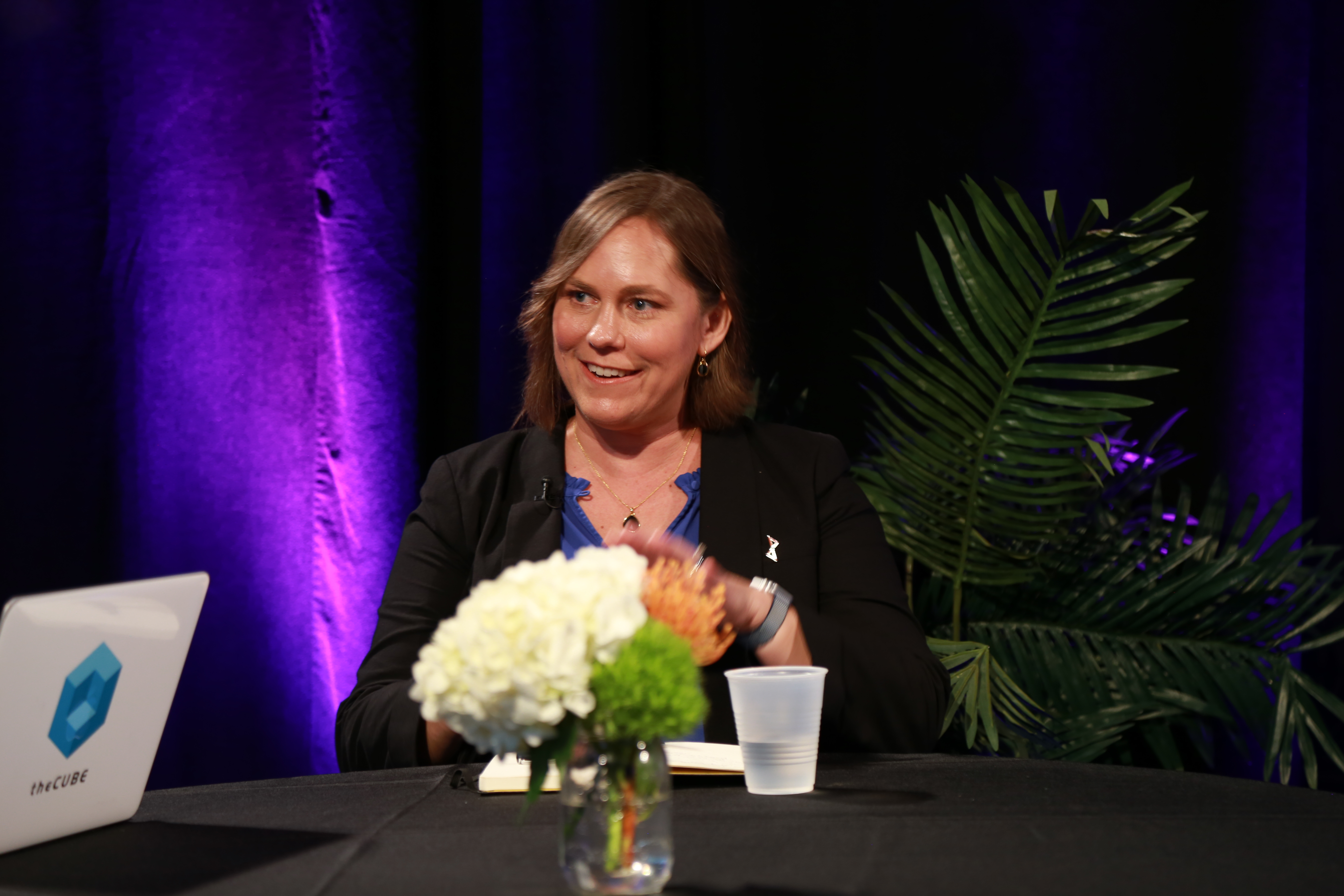
Business people might logically incline that decisions should be based on data — but do they feel and act like they they should be based on data? The shroud around complex data science keeps line-of-business people and managers a step shy of total trust in data insights. Tools that explain in plain terms what data is good for and why it can close that trust gap, according to Stephanie McReynolds (pictured), vice president of marketing of Alation Inc.
“For us to close the final mile and get to real value out of the data — it’s a human challenge. There’s a trust gap with managers today,” she said.
Self-service tools let managers and business pull back the data-scientists-only curtain and get their own hands dirty. Familiarity with the whys and wherefores of data leads directly to greater readiness to pull the trigger on data-based business moves, according to McReynolds.
McReynolds spoke with John Furrier (@furrier) and Peter Burris (@plburris), co-hosts of theCUBE, SiliconANGLE Media’s mobile livestreaming studio, during theCUBE NYC event in New York. They discussed efforts to ratchet up data literacy with easy-to-use tools. (* Disclosure below.)
A business stiff’s job searching through a company’s data assets should be as easy as Googling for a vegetarian BYOB, according to McReynolds. That is what Alation had in mind when it built its user interface.
“I think for customers, the most interesting part of this product is that it displays itself as an application that anyone can use,” she said. Users can click on search results for technical information about the data, metadata, and information on how its been used in the organization, notations, etc.
“We can actually give you a really good sense of how that data should be used in the future or where you might have gaps in governing that data,” she said.
What’s even more powerful is the recommendation engine that suggests data assets in plain language. “It’s kind of a cross between Google and Amazon,” McReynolds stated. For example, it may suggest, “‘Others like you may have used these other data assets in the past to determine revenue for that particular region’; ‘have you thought about using this filter?’ … ‘did you know that you’re trying to do analysis that maybe the sales operations guy has already done and here’s a certified report — why don’t you just start with that?'”
Watch the complete video interview below, and be sure to check out more of SiliconANGLE’s and theCUBE’s coverage of theCUBE NYC event. (* Disclosure: Alation Inc. sponsored this segment of theCUBE. Neither Alation nor other sponsors have editorial control over content on theCUBE or SiliconANGLE.)
Support our mission to keep content open and free by engaging with theCUBE community. Join theCUBE’s Alumni Trust Network, where technology leaders connect, share intelligence and create opportunities.
Founded by tech visionaries John Furrier and Dave Vellante, SiliconANGLE Media has built a dynamic ecosystem of industry-leading digital media brands that reach 15+ million elite tech professionals. Our new proprietary theCUBE AI Video Cloud is breaking ground in audience interaction, leveraging theCUBEai.com neural network to help technology companies make data-driven decisions and stay at the forefront of industry conversations.





