 EMERGING TECH
EMERGING TECH
EMERGING TECH







EMERGING TECH

The time from conception to screaming under harsh, fluorescent delivery-room lights is getting shorter for startups. Initial coin offerings are laying tons of cryptocurrency in the hands of founders before they know what to do with it. What’s more is banks don’t quite know what to do with it either, from the security or insurance perspectives. The situation is giving rise to special custodians who can manage the funds of the suddenly crypto-loaded.
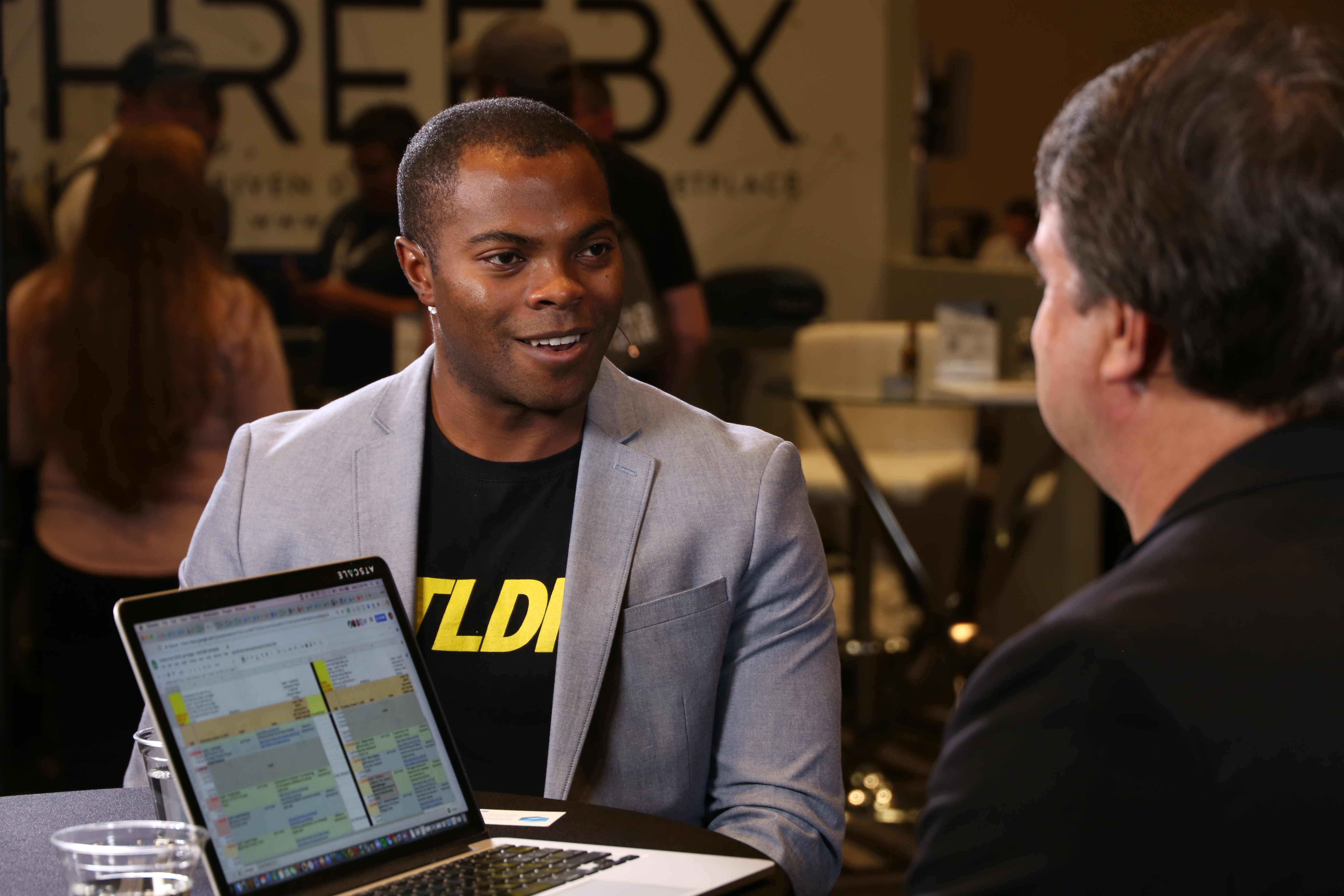
A typical startup of, say, six founders used to have time to figure out finance management incrementally, according to Andre McGregor (pictured), partner and head of global security at TLDR Capital. But things are changing.
“These same six founders now have $10 million worth of crypto, and they’re not protecting it in the ways that they think they should, because they’re in hyper growth mode,” he said. “So the bad guys have determined that as a great place to target. And now, as we see in the news, it’s actually happening.”
McGregor spoke with John Furrier (@furrier), host of theCUBE, SiliconANGLE Media’s mobile livestreaming studio, during the HoshoCon event in Las Vegas. They discussed the challenges of adapting to the unfolding and uncertain crypto economy.
TLDR is a global advisory firm working to build out necessary parts and procedures for the token economy. A key focus is on providing secure crypto-custody solutions to businesses and individuals unsure about how to secure their capital.
Where is a startup to turn when they’re hacked or someone’s trying to steal their cryptocurrency, anyway? There’s no cyber 911. Instant-response security is an option if companies can afford it, McGregor pointed out.
“For these smaller six-person companies that don’t have 500,000 to spend on instant response, they actually have no one to call when they actually do click something bad,” he said.
Digital-asset custody is a new domain in cryptocurrency that could address this market gap. “Custody is very similar to a bank,” McGregor said.
Basically, a person or entity has a lot of something, and they need someone else to protect it and take responsibility for it in the event of theft. “It could be the Monet; it could be the Johnny Bench rookie card; it could be a hundred million blocks of gold,” McGregor said. “From an institutional perspective, you want a pure custodian that takes all the risk. Traditional banks are not ready to handle that.”
Watch the complete video interview below, and be sure to check out more of SiliconANGLE’s and theCUBE’s coverage of HoshoCon 2018.
Support our mission to keep content open and free by engaging with theCUBE community. Join theCUBE’s Alumni Trust Network, where technology leaders connect, share intelligence and create opportunities.
Founded by tech visionaries John Furrier and Dave Vellante, SiliconANGLE Media has built a dynamic ecosystem of industry-leading digital media brands that reach 15+ million elite tech professionals. Our new proprietary theCUBE AI Video Cloud is breaking ground in audience interaction, leveraging theCUBEai.com neural network to help technology companies make data-driven decisions and stay at the forefront of industry conversations.





