 APPS
APPS
APPS
APPS







APPS

Computing infrastructure and software applications have gone wild. Multiple clouds, edge devices and applications are distributed, federated and generally running errant all over the place. Realistically, most companies simply can’t contain everything in a single location anymore. They might, however, be able to see all these wild things and what they are up to via a single hybrid visibility tool.
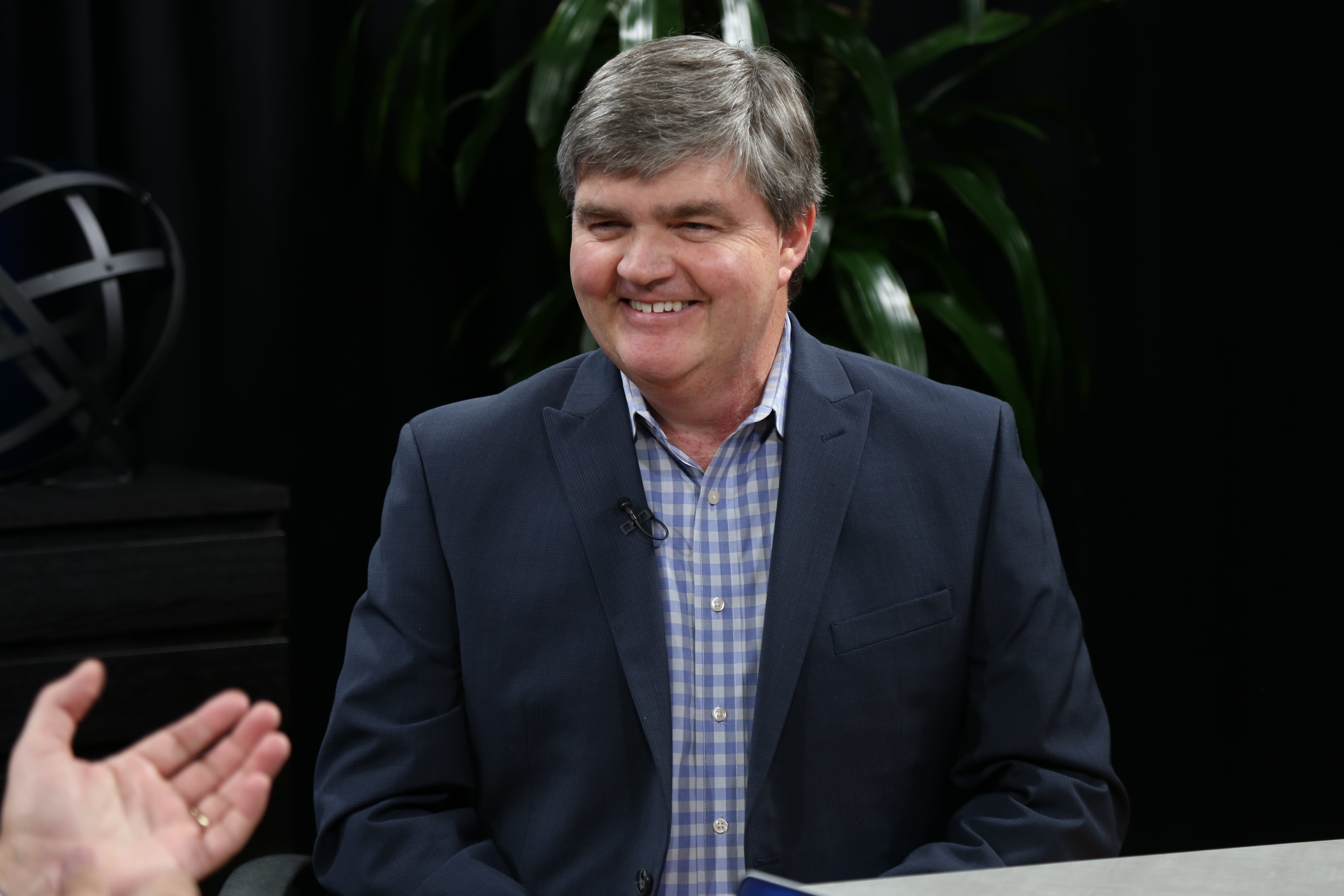
“Most CIOs are dealing with as many as nine to 11 clouds,” said Dave Link (pictured), founder and chief executive officer of ScienceLogic Inc.
This federation of clouds — public, private, software as a service, etc. — required a new federated approach to monitoring and management, according to Link. This can be achieved through visibility and “application-to-infrastructure awareness,” he added.
Link spoke with John Furrier (@furrier), host of theCUBE, SiliconANGLE Media’s mobile livestreaming studio, at theCUBE’s studio in Palo Alto, California. They discussed modern IT’s war on silos and how to manage long-distance relationships among disparate infrastructure and apps. (* Disclosure below.)
Administrators and other information technology personnel tread a thin line between love and hate when it comes to multiple abstraction layers. On the one hand, they make operations simpler, but they also make it difficult to trace an application back to whatever it is running on. For example, “it’s a container which is abstracted on top of a virtual machine which is on top of a bare metal server,” Link said. “[Software-defined wide area networking] is an abstraction on top of a [multiprotocol label switching] network.”
In order to know what is going on up and down the stack, as well as the service impact and any potential problems, “you really need to tie the application to the infrastructure real time,” he added.
ScienceLogic pulls data streams together in a data hub to understand how they relate to one another. “Then there’s an automation engine where we actually proactively remediate problems real time,” Link explained.
About 60 percent of infrastructure as a service providers use ScienceLogic to deliver managed services to their customers, Link concluded.
Watch the entire video interview below, and be sure to check out more of SiliconANGLE’s and theCUBE’s CUBE Conversations. (* Disclosure: ScienceLogic Inc. sponsored this segment of theCUBE. Neither ScienceLogic nor other sponsors have editorial control over content on theCUBE or SiliconANGLE.)
Support our mission to keep content open and free by engaging with theCUBE community. Join theCUBE’s Alumni Trust Network, where technology leaders connect, share intelligence and create opportunities.
Founded by tech visionaries John Furrier and Dave Vellante, SiliconANGLE Media has built a dynamic ecosystem of industry-leading digital media brands that reach 15+ million elite tech professionals. Our new proprietary theCUBE AI Video Cloud is breaking ground in audience interaction, leveraging theCUBEai.com neural network to help technology companies make data-driven decisions and stay at the forefront of industry conversations.





