 SECURITY
SECURITY
SECURITY






SECURITY

The U.S. Department of Justice today charged 10 Chinese spies for hacking aerospace companies in the U.S. and Europe for a number of years.
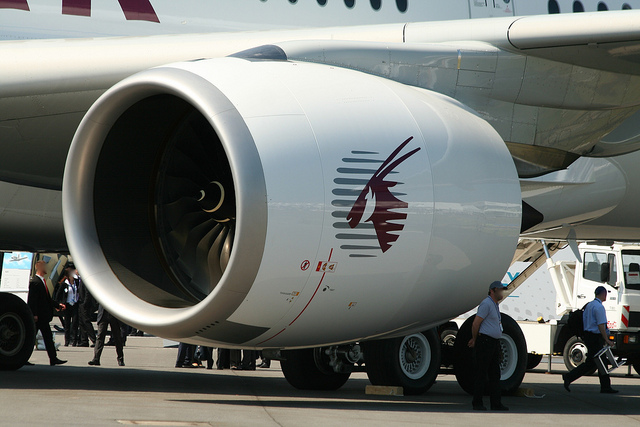
The indictment, dated Oct. 25, states that six hackers, two Chinese intelligence operatives and two insiders were involved in a conspiracy lasting from 2010 to 2015 to steal information related to turbofan engines that are used in commercial airliners in Europe and the U.S.
It’s said that the target was an unnamed French company that had worked with aerospace companies in the U.S. The indictment also says companies in the U.K. were targeted. The DoJ said a Chinese state-owned aerospace company was working on creating a similar technology.
“The conspirators’ ultimate goal was to steal, among other data, intellectual property and confidential business information, including information related to a turbofan engine used in commercial airliners,” the DoJ said in a statement released Tuesday.
According to the indictment, the Chinese hackers infiltrated a number of companies in several U.S. states under the orders of officers from the Chinese Ministry of State Security. In France, MSS had two people on the inside and had also remote access to computers after installing a trojan.
“The threat posed by Chinese government-sponsored hacking activity is real and relentless,” said John Brown, FBI special agent in charge of the San Diego field office. “Today, the Federal Bureau of Investigation, with the assistance of our private sector, international and U.S. government partners, is sending a strong message to the Chinese government and other foreign governments involved in hacking activities.”
The first alleged hack began on Jan. 8, 2010, according to the indictment. It’s said that the hackers used various techniques, including using multiple malware strains on computers, spear fishing, domain hijacking and “using the victim companies’ own websites as ‘watering holes’ to compromise website visitors’ computers.”
It’s thought the hacking attempts in the U.S. came to an abrupt end in May 2015 when the targeted companies identified the malware and removed it.
Support our mission to keep content open and free by engaging with theCUBE community. Join theCUBE’s Alumni Trust Network, where technology leaders connect, share intelligence and create opportunities.
Founded by tech visionaries John Furrier and Dave Vellante, SiliconANGLE Media has built a dynamic ecosystem of industry-leading digital media brands that reach 15+ million elite tech professionals. Our new proprietary theCUBE AI Video Cloud is breaking ground in audience interaction, leveraging theCUBEai.com neural network to help technology companies make data-driven decisions and stay at the forefront of industry conversations.





