 BIG DATA
BIG DATA
BIG DATA







BIG DATA

Transforming to a data-driven enterprise isn’t a snap. One of the finest investments a company can make towards a digital transformation is a chief data officer, if they can even afford it. But once the CDO walks through the door, staffers across the entire company had better brace themselves for change.
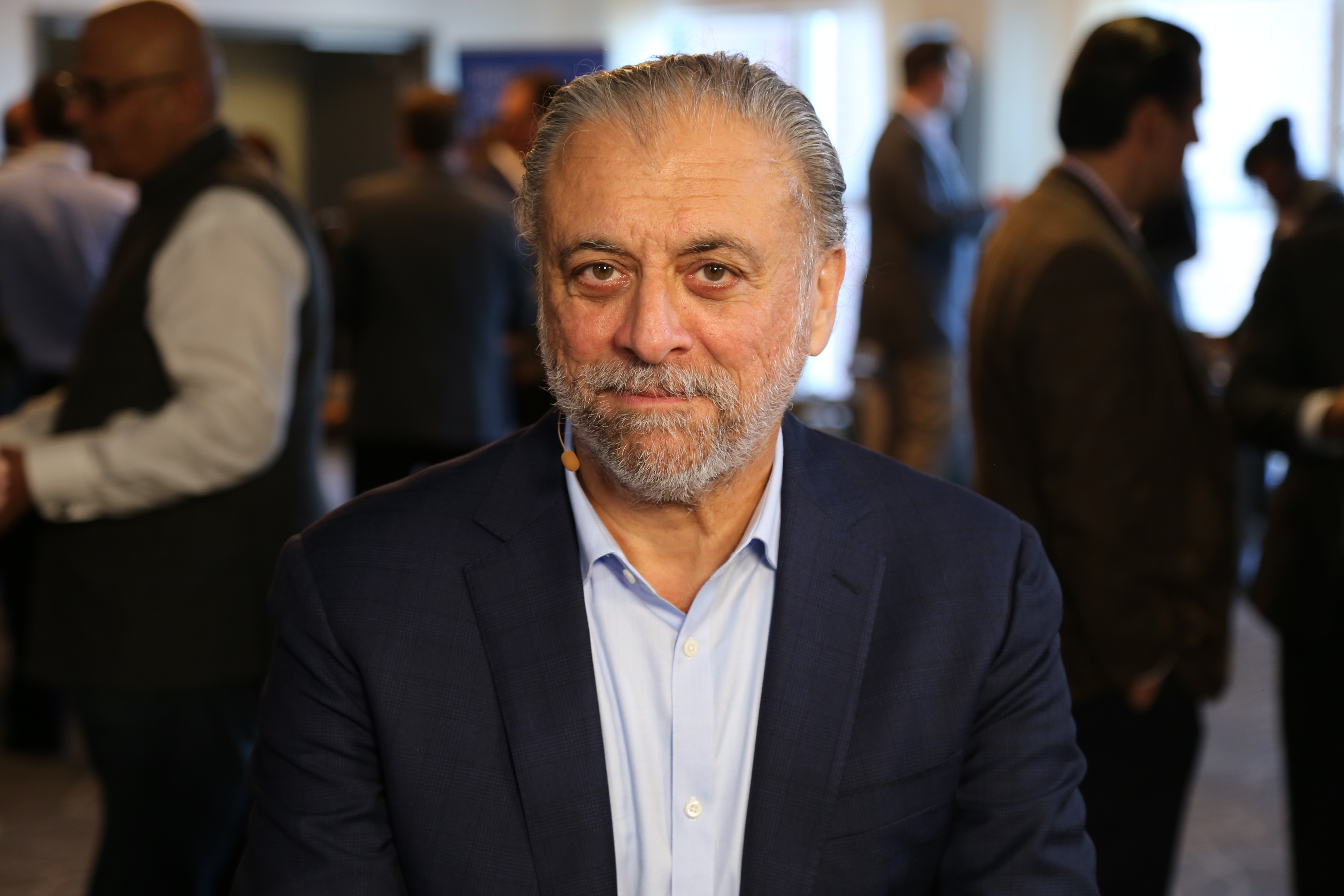
“The CDO has to be the change agent in chief for the organization,” said Inderpal Bhandari (pictured), global chief data officer of IBM Corp. Bhandari began his career as a CDO in 2006. At the time, he was one of four CDOs in the entire IT industry. He’s served as the CDO for four companies so far. Having survived the grueling overhaul process in four unique organizations, he now boasts chops few can match. Success, he said, takes something big, many things small, and a dollop of artificial intelligence.
Bhandari spoke with Rebecca Knight (@knightrm) and Paul Gillin (@pgillin), co-hosts of theCUBE, SiliconANGLE Media’s mobile livestreaming studio, during the IBM CDO Summit in Boston, Massachusetts. They discussed the nuts and bolts of digital transformation and what work is really like for a CDO. (* Disclosure below.)
Numero uno for the chief change agent is getting everyone in the company aligned to a single, cohesive data strategy. This means prying siloed data from department isolationists’ hands.
“Even at the lower levels, you have people who develop little fiefdoms where they control that data,” Bhandari said. “And they say, ‘this is mine; I’m not going to let anybody else have it.'”
The only way to break down those silos is to get all those minds glued to a much larger cause, Bhandari said. And be quick about it. A CDO needs to establish the company’s larger cause in the first six months, or things will likely falter, he said.
Bhandari was an early advocate of AI in the enterprise. IBM’s own data strategy focuses largely on becoming an AI-driven business. But AI is not for big, high-level, potential risky decisions, he said. “It’s the thousands and thousands of little decisions that are made day in and night out by people who are working — the rank and file who are actually working the different processes.”
Sticking AI on these processes frees a lot of mental capital to go toward higher productivity, new ideas and new products, he said.
Watch the complete video interview below, and be sure to check out more of SiliconANGLE’s and theCUBE’s coverage of the IBM CDO Summit. (* Disclosure: TheCUBE is a paid media partner for the IBM CDO Summit. Neither IBM, the event sponsor, nor other sponsors have editorial control over content on theCUBE or SiliconANGLE.)
Support our mission to keep content open and free by engaging with theCUBE community. Join theCUBE’s Alumni Trust Network, where technology leaders connect, share intelligence and create opportunities.
Founded by tech visionaries John Furrier and Dave Vellante, SiliconANGLE Media has built a dynamic ecosystem of industry-leading digital media brands that reach 15+ million elite tech professionals. Our new proprietary theCUBE AI Video Cloud is breaking ground in audience interaction, leveraging theCUBEai.com neural network to help technology companies make data-driven decisions and stay at the forefront of industry conversations.





