 AI
AI
AI
AI







AI

We’re constantly hearing that companies need new technology to become data-driven. Experts also warn that a shopping bag full of fancy tech won’t turn a company’s culture around. The cultural side of the data-driven coin actually mirrors the tech side; collection, curation and combination its key insignia.
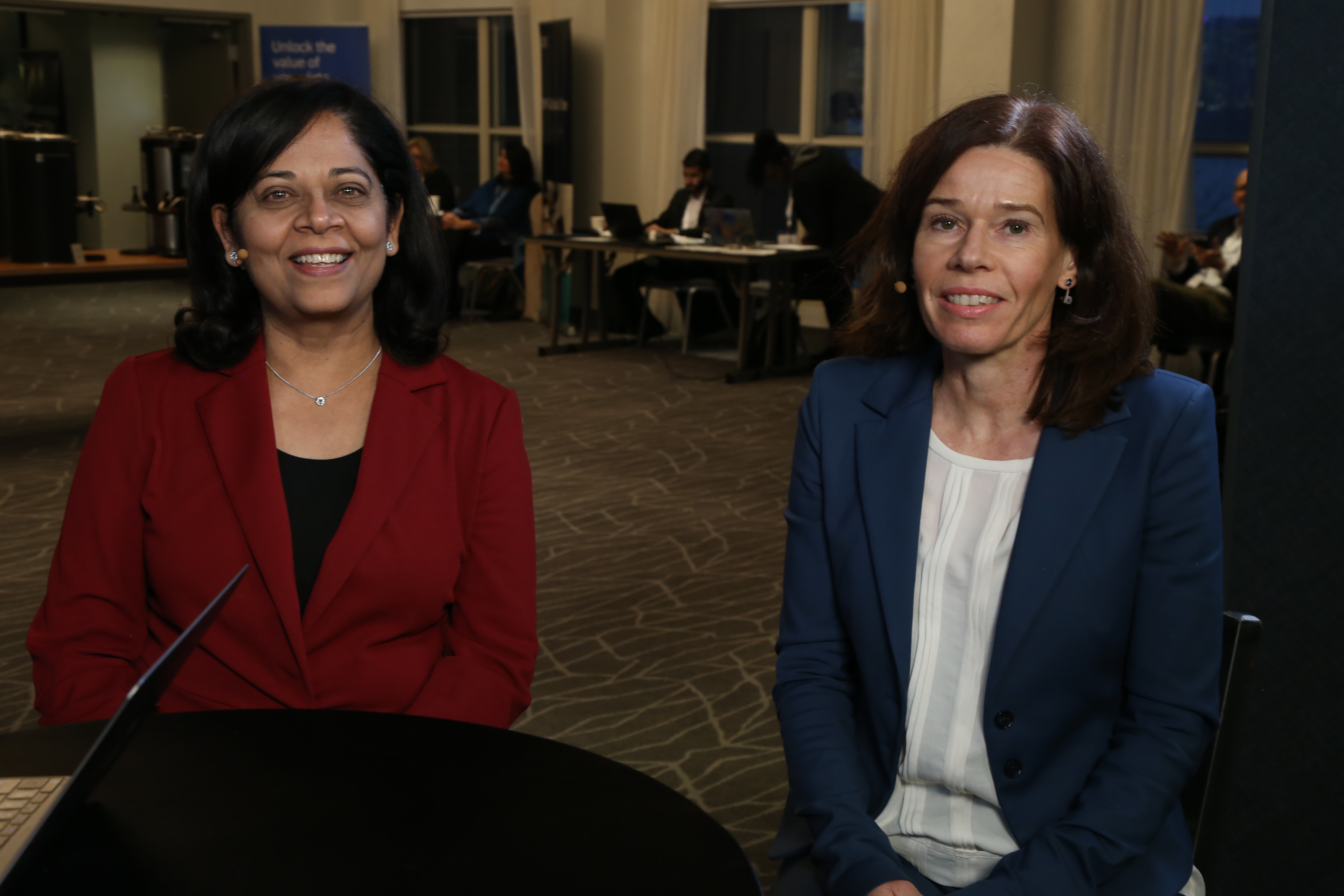
Data operations is a collaborative process that gets all hands on deck with data-analytics and artificial intelligence projects. It’s a sort of workshop that brings different factions together for a design-thinking exercise, according to Susan Wegner (pictured, right), vice president of data, artificial intelligence and governance at Deutsche Telekom AG.
“You have the data scientists in there, the data engineers; it’s best to have the operational people in there,” Wegner said. It’s important to get as many parties involved in a project from the very beginning to add push to a project and hasten it into production, she added.
Wegner and Madhu Kochar (pictured, left), vice president of analytics product development and client success at IBM Corp., spoke with Rebecca Knight (@knightrm) and Paul Gillin (@pgillin), co-hosts of theCUBE, SiliconANGLE Media’s mobile livestreaming studio, during the IBM CDO Summit in Boston, Massachusetts. They discussed the best practices taking shape around AI and underlying technologies that enable them. (* Disclosure below.)
“DevOps was all about to agility. Now DataOps bring all these various groups together, and … that’s how you really move forward,” Kochar said.
All of this powwowing won’t amount to much if a company’s data isn’t primed and ready to roll. AI takes massive amounts of data, and no organization can handle it all without automation, Kochar explained. Poorly governed data can stymie otherwise great AI initiatives.
“I have seen over and over again … everybody’s enthusiastic, they love the technology, but it just doesn’t progress fast enough because of that,” Kochar stated.
Tools like IBM Cloud Private for Data can take some of the pain out of data curation. “This is our analytics platform, which is ready with built-in governance to handle all your data curation and … building models, which you can test out, have all the DevOps and push it into production,” Kochar said.
This is helping clients like Deutsche Telekom move faster on their AI journeys. The company has implemented AI to more efficiently handle service tickets and prevent repeat requests, according to Wegner.
Watch the complete video interview below, and be sure to check out more of SiliconANGLE’s and theCUBE’s coverage of the IBM CDO Summit. (* Disclosure: TheCUBE is a paid media partner for the IBM CDO Summit. Neither IBM Corp., the event sponsor, nor other sponsors have editorial control over content on theCUBE or SiliconANGLE.)
Support our mission to keep content open and free by engaging with theCUBE community. Join theCUBE’s Alumni Trust Network, where technology leaders connect, share intelligence and create opportunities.
Founded by tech visionaries John Furrier and Dave Vellante, SiliconANGLE Media has built a dynamic ecosystem of industry-leading digital media brands that reach 15+ million elite tech professionals. Our new proprietary theCUBE AI Video Cloud is breaking ground in audience interaction, leveraging theCUBEai.com neural network to help technology companies make data-driven decisions and stay at the forefront of industry conversations.





