 THOUGHT LEADERSHIP
THOUGHT LEADERSHIP
THOUGHT LEADERSHIP







THOUGHT LEADERSHIP

If a business thinks it’s innovative just because it introduces new products or services every year or two, it’s running a bit behind. Innovation in the digital age is a round-the-clock process.
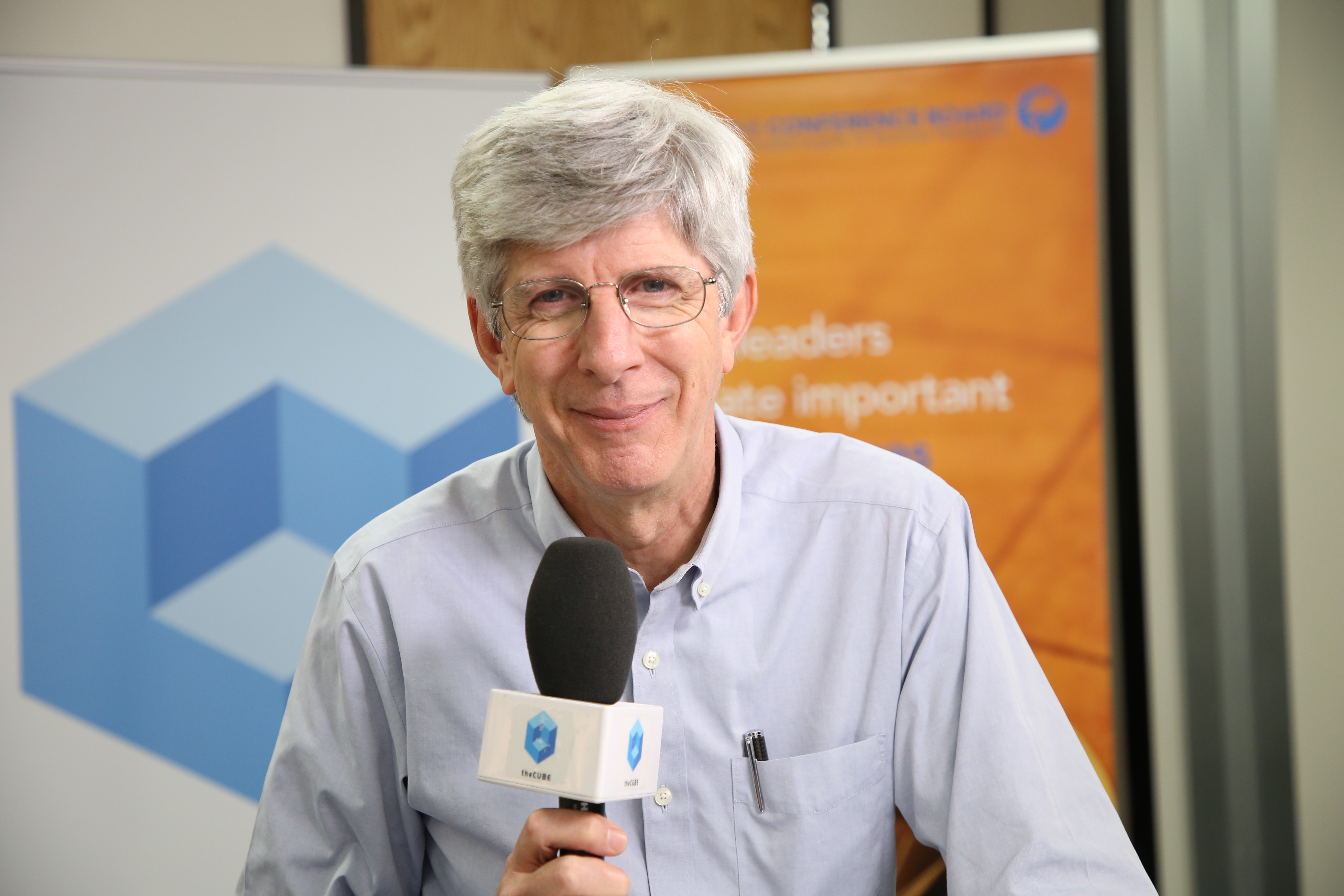
That’s why one-off innovations won’t carry a company far into the future nowadays, according to Peter Coffee (pictured), vice president of strategic research at Salesforce.com Inc. “Take a big sigh of relief and congratulate yourself on having transformed?” he said. “No dude, you’ve gotten your running shoes tied. Now the hard part begins.”
That would be the nonstop jog through a landscape where new competitors vie for customers’ money each day. The way to win is to pull the trigger on new ideas as they occur, understand the ecosystem, and disrupt one’s self before someone else does, according to Coffee.
Coffee spoke with spoke with Jeff Frick (@JeffFrick), host of theCUBE, SiliconANGLE Media’s mobile livestreaming studio, during The Conference Board’s Innovation Master Class event in Palo Alto, California. They discussed innovation as a continuous stream rather than a batch process.
“Someone at Motorola once said, a batch process, no matter how much you accelerate it, doesn’t become a continuous flow process,” Coffee said.
What does continuous flow look like in the digital era’s realm of product releases? It’s more than taking a lumpy, change-every-couple-of-years product and slapping the as-a-service label on it.
“Taking a product and selling at a subscription price does not turn it into a service,” Coffee said. A true service incorporates feedback, new features and the like with the frequency of mobile apps. Also, broadening scope and looking at how a service fits into an entire environment improves customer experience and staves off disruption.
For example, Axon Enterprise Inc., makers of law-enforcement technology and weapons, developed Taser electroshock weapons and then introduced a set of services around them to aid police officers who use them.
If a new idea is too far afield of the company’s image, go ahead and spin it out, Coffee advised. For example, The Walt Disney Co. created Touchstone Pictures to produce films for mature audiences without tarnishing its image as a children’s film producer.
A brand is a set of promises a company makes to customers, Coffee explained. “If you want to make different promises to different people, well, have a different brand,” he said.
Here’s the complete video interview, part of SiliconANGLE’s and theCUBE’s coverage of The Conference Board’s Innovation Master Class event:
Support our mission to keep content open and free by engaging with theCUBE community. Join theCUBE’s Alumni Trust Network, where technology leaders connect, share intelligence and create opportunities.
Founded by tech visionaries John Furrier and Dave Vellante, SiliconANGLE Media has built a dynamic ecosystem of industry-leading digital media brands that reach 15+ million elite tech professionals. Our new proprietary theCUBE AI Video Cloud is breaking ground in audience interaction, leveraging theCUBEai.com neural network to help technology companies make data-driven decisions and stay at the forefront of industry conversations.





