 INFRA
INFRA
INFRA
INFRA







INFRA

Cisco Systems Inc. has been selling networking boxes long enough to earn the legacy label. What does it have to offer today’s customers shifting to cloud-native and multicloud technologies that span the range of computing platforms? With hardware networking set to play a starring role in multicloud, the answer might be, a boatload.
Cisco has a huge install base of customers, and has set about gathering their gripes about distributed computing and baking them into new offerings.
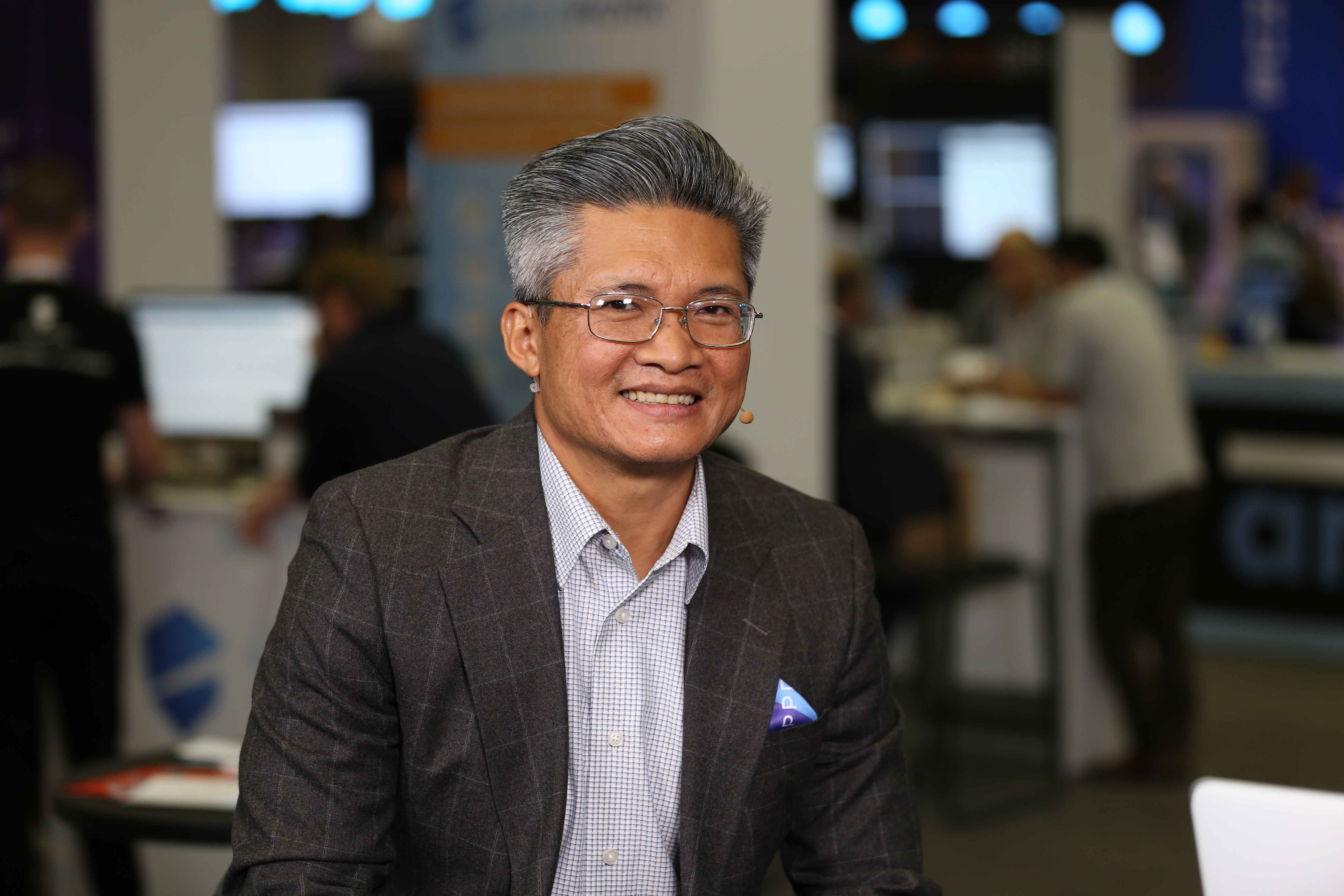
“Customers are asking us for policies that can span across the multicloud,” said Tuan Nguyen (pictured), principal engineer of technical marketing, Cloud Products and Solutions Group, at Cisco.
Cisco has made a lot of noise about its pivot to software. It’s now getting serious about parlaying its installed boxes, new development and acquisitions into a viable multicloud business.
Nguyen spoke with John Furrier (@furrier) and Stu Miniman (@stu), co-hosts of theCUBE, SiliconANGLE Media’s mobile livestreaming studio, during the KubeCon + CloudNativeCon event in Seattle, Washington. They discussed the latest offerings Cisco is bringing to multicloud. (* Disclosure below.)
“We feel that customers want the capability to run applications in any cloud environment and under any type of overlay or underlay networking platform,” Nguyen said.
Cisco is investing technologies that make the network more friendly to apps in migration. These include things like virtual private network mesh typologies in the aggregation services router or cloud services router. It is also looking at ways to protect workloads as they move across different cloud targets.
Cisco has folded the Kubernetes open-source platform for orchestrating containers (a virtualized method for running distributed apps) into its network portfolio. The platform provides on-premises-to-cloud data mobility. Its application centric infrastructure/container network interface give them the capability to construct policies in Kubernetes that end up on the hardware platform. And its hardware registry has security policies that can move across different platforms.
“We kind of unify the user experience when it comes to application deployment in Kubernetes,” Nguyen said. “In your private cloud and VMware and OpenStack, you can carry those same policies. We’ve got application delivery, frameworks and platforms that deliver the application in the form of both VM- and container-based as well as bare metal.”
Watch the complete video interview below, and be sure to check out more of SiliconANGLE’s and theCUBE’s coverage of the KubeCon + CloudNativeCon event. (* Disclosure: Cisco Systems Inc. sponsored this segment of theCUBE. Neither Cisco nor other sponsors have editorial control over content on theCUBE or SiliconANGLE.)
Support our mission to keep content open and free by engaging with theCUBE community. Join theCUBE’s Alumni Trust Network, where technology leaders connect, share intelligence and create opportunities.
Founded by tech visionaries John Furrier and Dave Vellante, SiliconANGLE Media has built a dynamic ecosystem of industry-leading digital media brands that reach 15+ million elite tech professionals. Our new proprietary theCUBE AI Video Cloud is breaking ground in audience interaction, leveraging theCUBEai.com neural network to help technology companies make data-driven decisions and stay at the forefront of industry conversations.





