 CLOUD
CLOUD
CLOUD
CLOUD







CLOUD

While the business world has been exploring the idea of artificial intelligence as a competitive advantage, getting started with projects can be daunting. So many companies are sitting on treasure troves of data, much of it stored in virtualized clouds waiting to be fed into an AI system, improving and innovating their business now and into the future.
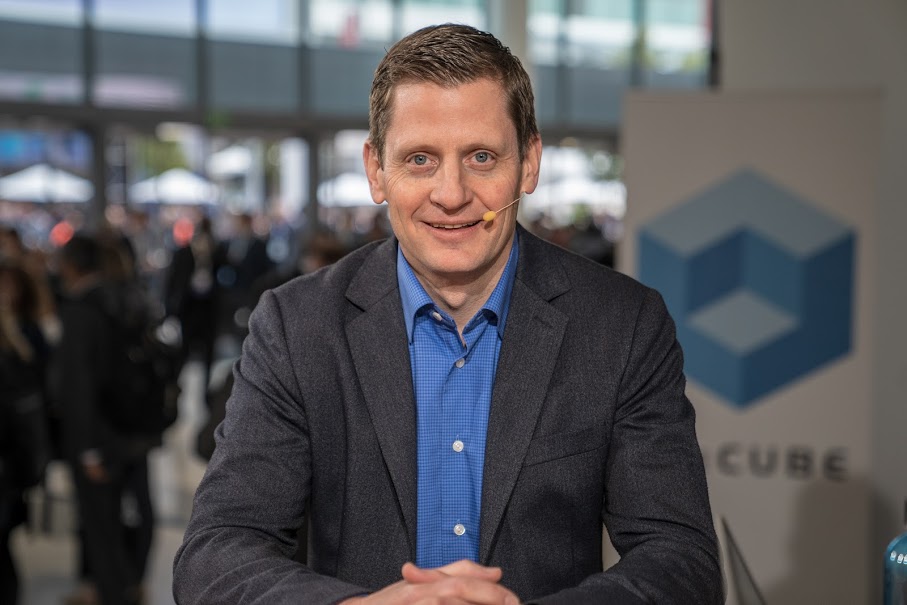
It’s just a matter of getting the AI matched up with the data streams, according to Rob Thomas (pictured), general manager of data and AI at IBM. One of the things that IBM says is, “You can’t have AI without IA,” Thomas explained, meaning it’s not possible to have functioning AI without first investing in the “information architecture” that is needed to support AI.
Thomas spoke with John Furrier (@furrier) and Dave Vellante (@dvellante), co-hosts of theCUBE, SiliconANGLE Media’s mobile livestreaming studio, during the IBM Think event in San Francisco. In addition to IBM’s new Cloud Private offering, they also discussed how Watson can be integrated to work for organizations of any size or complexity. (* Disclosure below.)
“The biggest problem with most AI projects is the first task … move a bunch of data,” Thomas said. “That takes a lot of time; that takes a lot of money. We say, ‘You don’t need to do that. Leave your data wherever it is.’ With Cloud Private for Data, we can virtualize data from any source.”
In this way, IBM is providing a proven IA structure for organizations from which they can launch their own AI projects.
Through Cloud Private for Data, IBM enables multicloud and Watson Anywhere via a data microservices architecture running on Kubernetes, giving clients the portability to be run on-premises or on any private, public or hybrid multicloud. Businesses can then apply AI to their data wherever it is hosted. This flexibility removes the major obstacles to scaling AI, as businesses can leave data in secure or preferred environments and take Watson to that data, according to Thomas.
For companies that prefer to manage their own AI environments, IBM has Watson OpenScale. This provides the necessary tools needed to manage these environments, no matter where they are located.
“We’ve made it really easy to consume Watson, whether you want to build your own or you want an application designed for the line of business,” Thomas concluded.
Watch the complete video interview below, and be sure to check out more of SiliconANGLE’s and theCUBE’s coverage of the IBM Think event. (* Disclosure: IBM sponsored this segment of theCUBE. Neither IBM nor other sponsors have editorial control over content on theCUBE or SiliconANGLE.)
Support our mission to keep content open and free by engaging with theCUBE community. Join theCUBE’s Alumni Trust Network, where technology leaders connect, share intelligence and create opportunities.
Founded by tech visionaries John Furrier and Dave Vellante, SiliconANGLE Media has built a dynamic ecosystem of industry-leading digital media brands that reach 15+ million elite tech professionals. Our new proprietary theCUBE AI Video Cloud is breaking ground in audience interaction, leveraging theCUBEai.com neural network to help technology companies make data-driven decisions and stay at the forefront of industry conversations.





