 THOUGHT LEADERSHIP
THOUGHT LEADERSHIP
THOUGHT LEADERSHIP







THOUGHT LEADERSHIP

What is data science? That is what people across a huge range of professions outside technology are asking. They are seeking ways to use data to be more productive in their jobs. Likewise, students of data science are growing it into a versatile, multidisciplinary field.
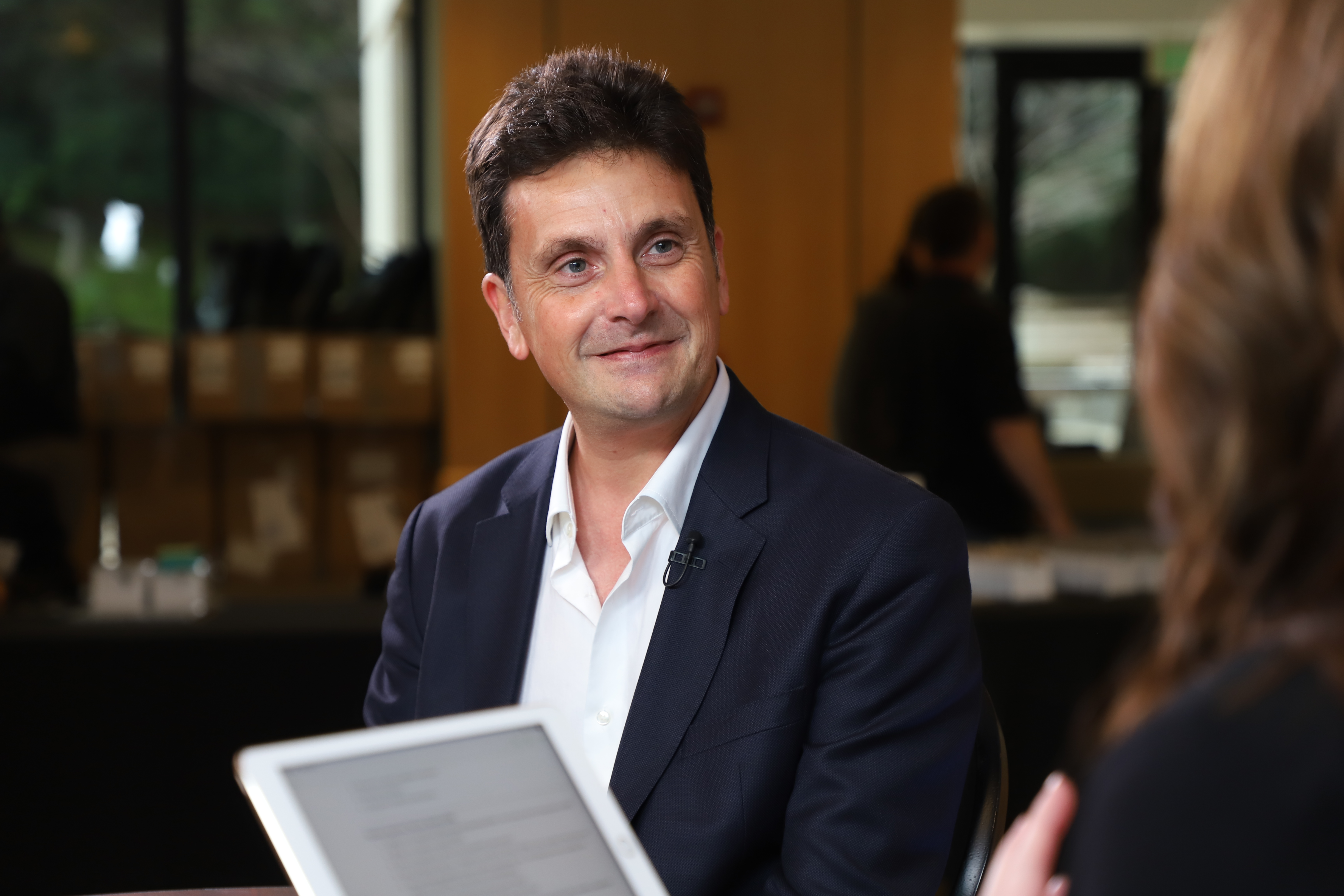
Gianluca Iaccarino (pictured), director of the Institute for Computational Mathematical Engineering, or ICME, at Stanford University, is seeing the crossover potential of data-science skills in the university. “Data science, in general, reaches out to all these disciplines in a very new way,” he said. “I think it’s probably one of the reasons why it’s so attractive to the younger generation.”
ICME was founded 15 years ago at Stanford. It strives to spread computational skills across disciplines within the school.
Iaccarino spoke with Lisa Martin (@LisaMartinTV), host of theCUBE, SiliconANGLE Media’s mobile livestreaming studio, during the Stanford Women in Data Science event in Stanford, California. They discussed the technical and nontechnical elements of the evolving data-science field.
It is not just an isolated set of hard technological skills that go into applied data science, according to Iaccarino . “It’s much more than that. The communication is very important; teamwork is extremely important; transparency is very important,” he stated.
Data science is in fact a form of storytelling. Data is a kind of language used to define and help solve problems in diverse disciplines. Recent advances in software have made data science more accessible than ever. This makes it easily transferrable into other disciplines.
“We don’t really need to go through an extensive curriculum to be able to solve problems and have an impact,” Iaccarino said.
This low barrier to entry helps people in diverse disciplines use data to solve problems. The growing use of data, however, is presenting difficult questions. They have to do with data trust, privacy and ethics.
“These are clearly difficult to handle, because they require knowledge across disciplines that typically are not related to STEM in a traditional sense,” Iaccarino said. “But then on the other end, I think, is the opportunity to be really creative.”
Luckily, those in data science are already honing creative problem-solving skills to tackle these and other challenges.
“I think what we have in data science is really a lot of can-do attitude, a lot of creative force,” Iaccarino concluded.
Watch the complete video interview below, and be sure to check out more of SiliconANGLE’s and theCUBE’s coverage of the Stanford Women in Data Science event.
Support our mission to keep content open and free by engaging with theCUBE community. Join theCUBE’s Alumni Trust Network, where technology leaders connect, share intelligence and create opportunities.
Founded by tech visionaries John Furrier and Dave Vellante, SiliconANGLE Media has built a dynamic ecosystem of industry-leading digital media brands that reach 15+ million elite tech professionals. Our new proprietary theCUBE AI Video Cloud is breaking ground in audience interaction, leveraging theCUBEai.com neural network to help technology companies make data-driven decisions and stay at the forefront of industry conversations.





