 CLOUD
CLOUD
CLOUD
CLOUD







CLOUD

Why does the term “e-commerce” seem somewhat stale, predictable, unexciting? With data analytics and artificial intelligence, it could be much more than a web page and “buy” button. Adobe Inc. believes it could be part of a larger digital experience for modern-day consumers.
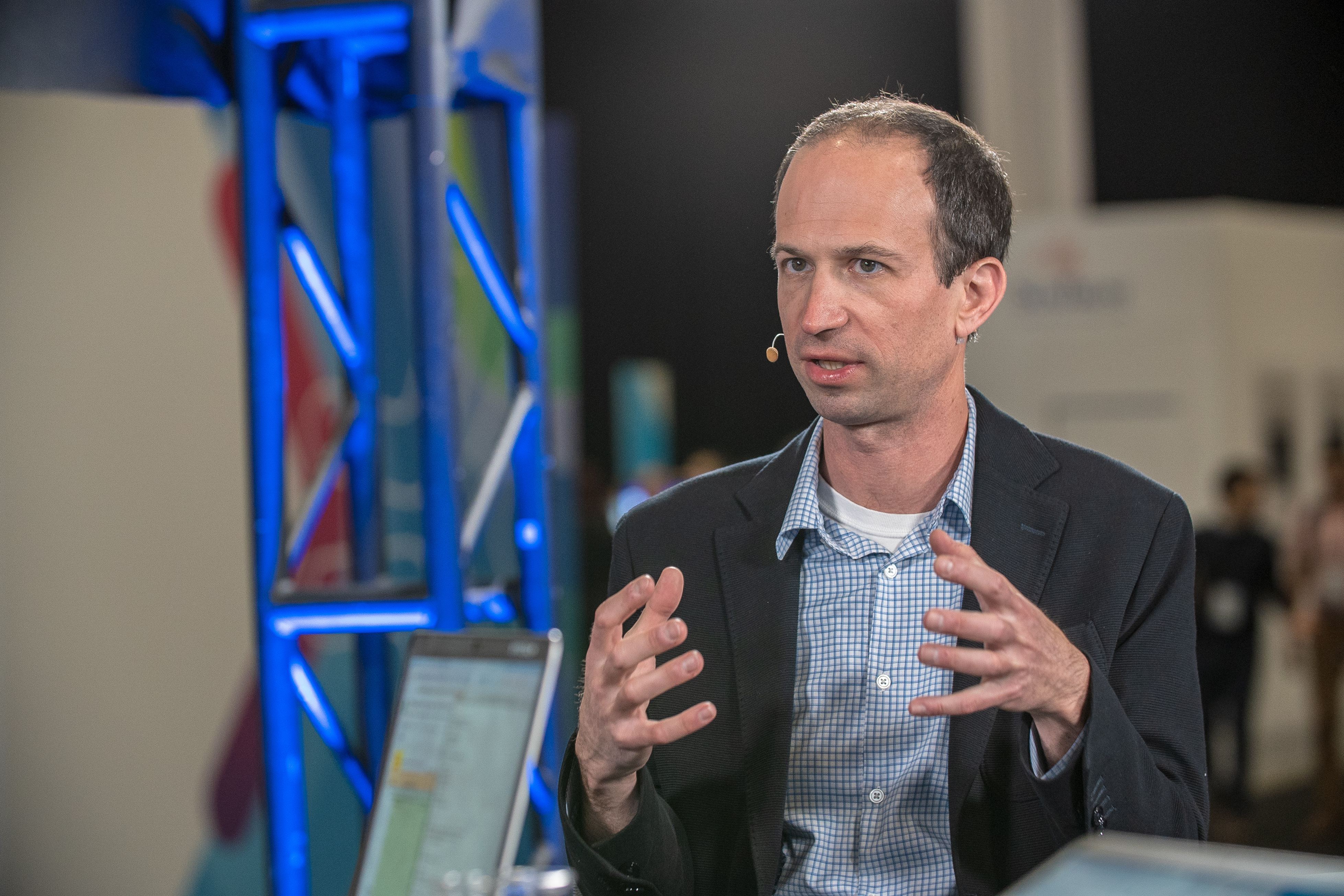
“When customers are buying today, they’re buying experiences,” said Mark Lenhard (pictured), senior vice president of strategy and growth at Magento Inc., an Adobe company. Those experiences include the actual purchase they make — the physical or digital product. They also include all the content they see prior to purchasing that may influence how they see the brand. And, importantly, it includes all the follow-up — the ways in which consumers continue interacting with the brand after purchase.
All of these touchpoints give companies the chance to influence customers and secure loyalty beyond a one-time purchase. Adobe just announced its Commerce Cloud, which aims to integrate those steps for richer, longer-term customer experiences.
Lenhard spoke with John Furrier (@furrier) and Jeff Frick (@JeffFrick), co-hosts of theCUBE, SiliconANGLE Media’s mobile livestreaming studio, during Adobe Summit in Las Vegas. They discussed the Commerce Cloud announcement and how big-data technology is transforming customer experience (see the full interview with transcript here). (* Disclosure below.)
Commerce Cloud offers the core Magento platform managed by Adobe. It’s also now integrated with Adobe’s tools, like its Analytics Cloud, Marketing Cloud and Advertising Cloud. There are enhanced features to come, including analytics for data-driven insights, Adobe Sensei and AI-powered tools, according to Lenhard.
Harmonizing them across the platform and having all pieces talk to each other provides a detailed picture of customers. Companies get behavioral data upfront, so they know what users are doing on their website or on Instagram or other platforms. They know what they’re buying, renewing, cancelling, etc.
Users will be able to spin up dashboards with all the collated data instantly and act on it. The magic is in being able “not just pull it together in a data cluster, but to be able to actually take those data and develop insights out of it and, most importantly, take action on it,” Lenhard concluded.
Watch the complete video interview below, and be sure to check out more of SiliconANGLE’s and theCUBE’s coverage of Adobe Summit 2019. (* Disclosure: TheCUBE is a paid media partner for Adobe Summit 2019. Neither Adobe Inc., the sponsor for theCUBE’s event coverage, nor other sponsors have editorial control over content on theCUBE or SiliconANGLE.)
Support our mission to keep content open and free by engaging with theCUBE community. Join theCUBE’s Alumni Trust Network, where technology leaders connect, share intelligence and create opportunities.
Founded by tech visionaries John Furrier and Dave Vellante, SiliconANGLE Media has built a dynamic ecosystem of industry-leading digital media brands that reach 15+ million elite tech professionals. Our new proprietary theCUBE AI Video Cloud is breaking ground in audience interaction, leveraging theCUBEai.com neural network to help technology companies make data-driven decisions and stay at the forefront of industry conversations.





