 INFRA
INFRA
INFRA
INFRA







INFRA

Whether in a closet or on a drive, storage has always been about stuffing as much as possible into as small a space as possible. While pack rats dreamed of magical devices that could shrink molecules to micro-size, Dell EMC engineers were focused on data reduction by machine learning.
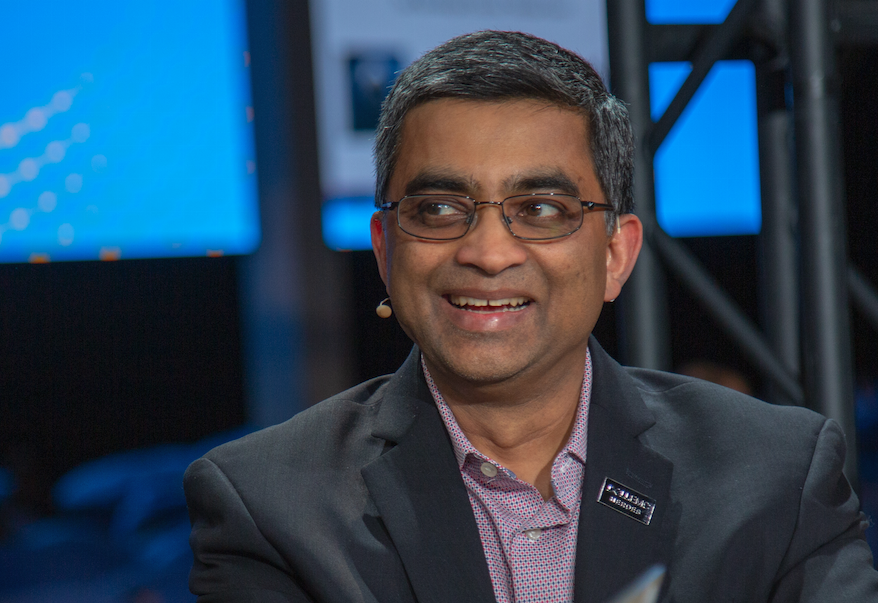
“We use machine learning to take advantage of a small amount of memory but still not compromise on the data reduction,” said Sudhir Srinivasan (pictured), senior vice president and chief technical officer of the Storage Division at Dell EMC.
Srinivasan spoke with Dave Vellante (@dvellante) and Stu Miniman (@stu), co-hosts of theCUBE, SiliconANGLE Media’s mobile livestreaming studio, during the Dell Technology World event in Las Vegas. They discussed storage, multicloud, and Dell product announcements within the storage environment (see the full interview with transcript here). (* Disclosure below.)
Machine learning tech has presented integration options across a range of Dell EMC’s storage products. Dell World 2018 saw the launch of the Dell EMC PowerMax, with built-in machine learning capabilities. This brought real time to storage, enabling predictive analysis and pattern recognition. Dell’s CloudIQ added intelligent storage management. Now, as Unity becomes Unity XT, Dell is expanding machine learning across the storage family and stepping up to provide mid-range primary storage for a multicloud world.
Machine learning means Unity XT can provide a 5-to-1 data reduction without large memory capacity. While data reduction isn’t new in storage, the high cost of memory has traditionally made it impractical for mid-range products such as Unity.
Product confusion from overlapping offerings within the company’s portfolio has long plagued Dell EMC, and the current changes within the storage division seem to be focused both on streamlining the product range and meeting the needs of a hybrid cloud market. A long-term goal is to transform Dell’s internal storage assets to be software-centric, according to Srinivasan.
“We’ve become one storage team, and there’s a lot of technology reuse going on now inside the portfolio,” he said. “From a technology point of view, we’re changing the way software is built. We’re not building it as monolithic within microcode anymore. It’s containerized assets that we can embed in different products.”
The bottom line, according to Srinivasan: “We are definitely going beyond thinking of ourselves as a storage division to a data division and unlocking the data capital.”
Watch the complete video interview below, and be sure to check out more of SiliconANGLE’s and theCUBE’s coverage of the Dell Tech World 2019 event. (* Disclosure: Dell Technologies Inc. sponsored this segment of theCUBE. Neither Dell nor other sponsors have editorial control over content on theCUBE or SiliconANGLE.)
Support our mission to keep content open and free by engaging with theCUBE community. Join theCUBE’s Alumni Trust Network, where technology leaders connect, share intelligence and create opportunities.
Founded by tech visionaries John Furrier and Dave Vellante, SiliconANGLE Media has built a dynamic ecosystem of industry-leading digital media brands that reach 15+ million elite tech professionals. Our new proprietary theCUBE AI Video Cloud is breaking ground in audience interaction, leveraging theCUBEai.com neural network to help technology companies make data-driven decisions and stay at the forefront of industry conversations.





