 APPS
APPS
APPS
APPS






APPS

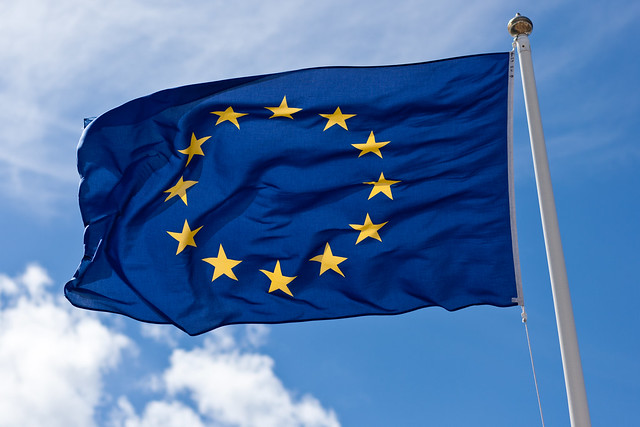
As the elections for a European Parliament approach, Facebook Inc. has opened a War Room in Dublin, Ireland, in an effort to combat the spread of disinformation on the platform.
Just as with the room by the same name that was set up in the U.S. in 2018, a number of the social network’s employees will be tasked with finding fake news, tracking dubious accounts and weeding out basically anything suspicious that might affect the result of the election.
A War Room also opened in India ahead of that country’s elections this year as well as one in Singapore. The one in Ireland will be in business May 23-26.
According to The Guardian, which was invited to see the room, 40 employees will be monitoring the social network for any transgressions, while those people will also have the help of researchers, data scientists and intelligence experts from around the world.
That same article said Facebook has been busy seeking and removing “bad actors.” Richard Alan, Facebook’s vice president for public policy, said that in the period of a year from 2017 to 2018 the company took down a staggering 2.8 billion dubious accounts.
Nonetheless, given the size of Facebook and the amount of information that has to be looked over, the task of pulling the mask off bad actors is something of a Sisyphean line of work. Nathaniel Gleicher, Facebook’s head of cybersecurity, admitted as much to The Guardian, saying the company needs plenty of outside help.
On Monday, he penned a blog post stating that two separate operations coordinating in “inauthentic behavior” were found and were believed to have originated in Russia. These operations were behind numerous accounts, which Gleicher said were there “to mislead others about who they were and what they were doing.”
In all, this amounted to 62 Facebook accounts, 10 Pages and 25 Groups, being removed. Each of these posted on topics such as European politics, the Syrian civil war, and politics in Ukraine and Russia.
“We also removed 21 Facebook accounts, Pages and Instagram accounts that were involved in coordinated inauthentic behavior as part of a small network emanating from Russia that focused on Austria, the Baltics, Germany, Spain, Ukraine and the United Kingdom,” said Gleicher. Some of these accounts used fake identities or impersonated others to discuss controversial issues.
Support our mission to keep content open and free by engaging with theCUBE community. Join theCUBE’s Alumni Trust Network, where technology leaders connect, share intelligence and create opportunities.
Founded by tech visionaries John Furrier and Dave Vellante, SiliconANGLE Media has built a dynamic ecosystem of industry-leading digital media brands that reach 15+ million elite tech professionals. Our new proprietary theCUBE AI Video Cloud is breaking ground in audience interaction, leveraging theCUBEai.com neural network to help technology companies make data-driven decisions and stay at the forefront of industry conversations.





