 APPS
APPS
APPS
APPS






APPS

Apple Inc. is expanding its relationship with German enterprise software company SAP SE to make it easier for their joint customers to build mobile business applications using the iPhone maker’s machine learning tools.
The companies said at SAP’s SAPPHIRE NOW conference Tuesday that they’re integrating Apple’s Core ML machine learning tech and its AR Kit augmented reality platform with the SAP Cloud Platform software development kit for iOS.
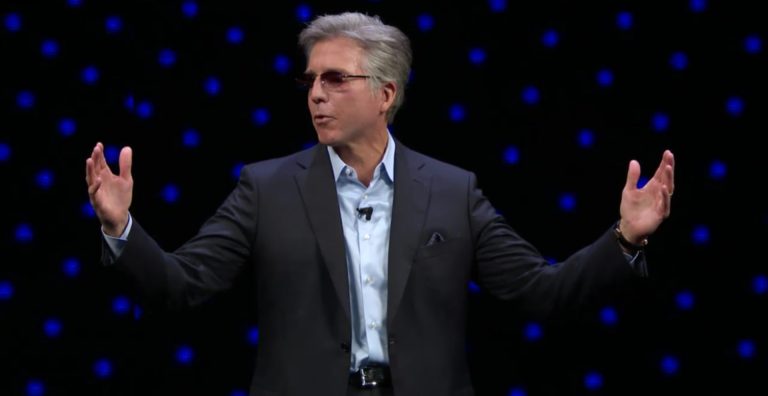
The integration will make it possible for workers to combine iPhones and iPads with augmented reality tech for a range of business tasks, SAP and Apple chief executives Bill McDermott (pictured) and Tim Cook said in a presentation. Such tasks might include machinery repairs or more accurately stocking store shelves.
The announcement deepens a partnership between Apple and SAP that was formed in 2016. Back then, the companies said they were working together to create native apps for the iPhone and iPad that tap into SAP’s flagship HANA in-memory computing platform and run more smoothly than general web or cloud-based versions designed for any operating system. The focus back then was on apps for SAP’s existing products such as its human resources and expense management tools.
The companies are now expanding this partnership so customers can build customized apps on SAP’s Leonardo, which is a developer platform that leverages technologies such as “internet of things,” artificial intelligence, big data, advanced analytics, 3-D printing and blockchain.
“AR and ML will be key to delivering the right information to the right person at the right time,” Cook said. “It’s come a long way and it has a lot further to go.”
Analyst Holger Mueller of Constellation Research Inc. noted that it’s interesting how the fortunes of the two companies seem to have reversed since their initial partnership was announced three years ago. Back then, it was SAP that was hoping for an image boost by partnering with the rapidly growing Apple. Nowadays, though, with Apple struggling a bit, it’s looking to its alliance with SAP as a way of selling more iOS devices, the analyst said.
“Apple also needs to lobby enterprise software vendors to use its proprietary augmented reality platform AR Kit,” Mueller said. “It remains to be see if this approach to AR, with native apps on iOS, is what enterprises need, as there are alternatives to AR Kit that run on more platforms. There are also many alternatives for building mobile business apps in 2019.”
A lot will depend on how the new services are delivered, the analyst added.
The expanded partnership comes at a time when SAP is looking to move away from its core business of running companies’ information technology deployments. Back in November, SAP acquired a company called Qualtrics International Inc. that sells tools used by companies to obtain feedback about their products so they can be optimized for specific use cases.
SAP is now looking to build on that acquisition, with the introduction of 10 new features for Qualtrics that combine experience data with operational data. The idea is centralize experience data between customers, employees and stakeholders across the enterprise, making it easier for organizations to listen, understand and act, the company said.
Ryan Smith, co-founder and CEO of Qualtrics, said experience data is increasingly important because just 8% of customers believe enterprises deliver an adequate customer experience. That’s a big problem, he said, because today’s customer base generally expects more personalized experiences and will punish brands that don’t follow through.
“The difference between the companies that will win is they understand how X-data and O-data work together to tell the story of what is happening in an organization, why it’s happening and how to act in real time to deliver breakthrough business results,” Smith said.
The new Qualtrics features are designed to boost customer experiences across commerce, customer services, marketing and sales, and will result in greater customer loyalty, conversions and satisfaction, Smith said.
Support our mission to keep content open and free by engaging with theCUBE community. Join theCUBE’s Alumni Trust Network, where technology leaders connect, share intelligence and create opportunities.
Founded by tech visionaries John Furrier and Dave Vellante, SiliconANGLE Media has built a dynamic ecosystem of industry-leading digital media brands that reach 15+ million elite tech professionals. Our new proprietary theCUBE AI Video Cloud is breaking ground in audience interaction, leveraging theCUBEai.com neural network to help technology companies make data-driven decisions and stay at the forefront of industry conversations.





