







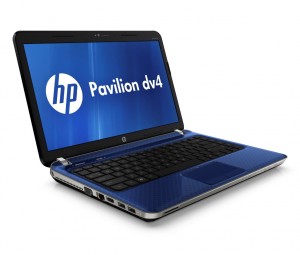
 Hewlett Packard is shifting its market towards devices in a revised manner (mobile in particular), and has been profoundly focused on the slated launch of TouchPad on July 1st. Also, the company is making some full-size changes to their manufacturing stream, moving it to a different country. With its finances still in the spotlight following HP’s poor market performance, they are now moving its notebook production from Shanghai, China to Japan. This move hopes to boost sales volume without compromising profits by improving manufacturing efficiency and trimming down delivery time to customers.
HP has seen the potential of foreign businesses to incorporate in their portfolio. They recently teamed up with Toshiba, a Japan-based conglomerate involved in notebook production, to develop cloud offerings line-up for “smart community” businesses. While this is a sound option for HP today, they are also strengthening its integral part with tablet strategy for device control panels as relayed by Wikibon’s David Floyer.
Device updates are observed almost every single day with tons of companies in the pool of competition tweaking their products and services according to the customers’ desires and needs—which are now harnessed through business analytics. Aside from HP, other giants are rolling out new devices onto the market. Among its fiercest opponents is Dell, which is launching waves of releases on a weekly basis, and ramping up their laptop portfolio.
Hoping to challenge Apple’s MacBook is Dell’s ultra thin XPS 15z, which is also the idea behind Samsung Series 9 notebook. Looks like Apple’s array is being targeted by other enterprises. HP’s TouchPad is beefing up and putting on some muscles to smash iPad in the market.
Also influenced by a range of new devices is the head-on battle between iOS and Android. Just before the 2nd quarter ended, Intel announced at the Computex Tradeshow in Taiwan, the official release of laptop-tablet hybrid called the ultrabooks. Another big shocker is Google’s Chromebook that united Samsung, Acer and Kogan.
The tech world is now spinning around an orbit of innovations. Those who fall flat will surely be swallowed up, with downfalls consisting of market shares dropping, mergers with bigger companies and all out extinction. However, any major upgrades for a device would entail major cost considerations. To be efficient with finances, some businesses tend to outsource segments of their production offshore. This could be a smart move, especially when you talk about countries’ with low labor rates, but are highly capable of delivering fair quality of produce.
Support our mission to keep content open and free by engaging with theCUBE community. Join theCUBE’s Alumni Trust Network, where technology leaders connect, share intelligence and create opportunities.
Founded by tech visionaries John Furrier and Dave Vellante, SiliconANGLE Media has built a dynamic ecosystem of industry-leading digital media brands that reach 15+ million elite tech professionals. Our new proprietary theCUBE AI Video Cloud is breaking ground in audience interaction, leveraging theCUBEai.com neural network to help technology companies make data-driven decisions and stay at the forefront of industry conversations.




